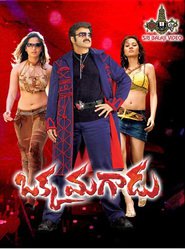
Okka Magadu(2008)
Okka Magaadu is a 2008 Indian Telugu-language vigilante action film co-written, produced, and directed by Y. V. S. Chowdary. The film stars Nandamuri Balakrishna in a dual role, alongside Anushka Shetty, Simran, Nisha Kothari, and Ashutosh Rana. The story follows a 101-year-old freedom fighter who returns to modern India after 60 years in prison and begins killing corrupt officials. The film was shot in Australia, Malaysia, Rayalaseema, Rajahmundry, and Hyderabad. It was criticized for its resemblance to the Tamil film Indian and for poor visual effects. The music was composed by Mani Sharma. Okka Magaadu was released on 11 January 2008 and performed poorly at the box office.
Okka Magadu (2008) OTT release date is not officially announced yet — GudVibe tracks its streaming availability daily.
Where to watch:Quick Facts
- Theatrical Release
- 11 January 2008
- Director
- Y. V. S. Chowdary
- Language
- Telugu
- Runtime
- 2h 25m 0
Storyline
A 101-year-old freedom fighter escapes from prison after 60 years. He returns to a corrupt India and starts killing evil people. But is he really that old? A young village chief might be hiding a big secret. The CBI is closing in. Who is the real Okka Magadu?
“One man army returns.”
Film Details
Parental Guide
Vibe & Tags
Cast & Crew


Trivia
- The film's title 'Okka Magaadu' translates to 'One Man' in English, highlighting the dual roles played by Nandamuri Balakrishna.
- Director Y.V.S. Chowdary remade the film from the Tamil blockbuster 'Indian' (1996), starring Kamal Haasan, adapting it for Telugu audiences.
- This was one of the few films where Balakrishna played dual roles as both a young man and an elderly freedom fighter in the same story.
- Actress Simran, who played the grandmother, was actually younger than Balakrishna in real life, creating an unusual casting dynamic.
- The movie was a major commercial success, contributing to Balakrishna's strong box-office streak in the late 2000s.
- Ashutosh Rana, known for his villainous roles in Hindi cinema, played the antagonist, marking one of his notable appearances in Telugu films.
- The plot involving corruption in professions like medicine and journalism mirrored social issues prevalent in India at the time.