
Taking the Horse to Eat Jalebis(2022)
Hindi122 mins
Fusing documentary-realism with magic-realism, and true and fictionalised stories with poetry and dreams, Ghode Ko Jalebi Khilane Le Ja Riya Hoon is a love letter to the syncretic culture of Old Delhi, to its history which is slowly losing itself amid concrete and smog
Director:Anamika Haksar
Mood:
darkemotionalsuspenseful
Quick Facts
- Streaming on
- GUDSHO
- Theatrical Release
- 10 June 2022
- Director
- Anamika Haksar
- Language
- Hindi
- Runtime
- 2h 2m
- Rating
- 6.9/10
Storyline
Fusing documentary-realism with magic-realism, and true and fictionalised stories with poetry and dreams, Ghode Ko Jalebi Khilane Le Ja Riya Hoon is a love letter to the syncretic culture of Old Delhi, to its history which is slowly losing itself amid concrete and smog
“A city's fading soul, seen through dreams and sweets.”
Film Details
6.9Rating
122Minutes
HindiLanguage
Release Date10 June 2022
Parental Guide
Violence
Low
Language
Low
Sex / Nudity
Mild
Drugs
Mild
Intensity
Low
Where to Watch
Vibe & Tags
Mood
darkemotionalsuspenseful
Themes
identitysurvivalcorruptionfamily
Tonepoetic
Pacingnon-linear
Complexityrequires-attention
Audiencearthouse
Best Withalone
Violence2
Emotion4
Humor1
Rewatchability3
Cast & Crew
#1
K
K GopalanLal Bihari The Loader
→#2
R
Ravindra SahuPatru the 'Pickpocket'
→#3
#4P
PrasanjitPipni the trainee Pickpocket
→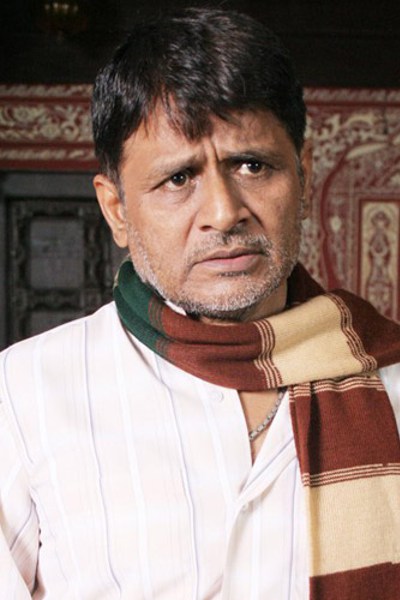
Raghubir YadavChadammi The Street Food Vendor
→#5
L
Lokesh JainAkash Jain 'Junooni'
→#6
S
Saumyananda SahiCrew
→#7
A
Anamika HaksarDirector
→Trivia
- The film's title comes from a popular nonsense rhyme used by children in Old Delhi.
- It was shot over four years in the narrow lanes and rooftops of Shahjahanabad, the historic walled city of Delhi.
- Most of the cast are non-professional actors, including real-life residents and street performers from the old city.
- The film blends 35mm film and digital footage to create its distinct visual texture of memory and reality.
- It premiered at the International Film Festival Rotterdam, not at a major Indian festival first.
- Director Anamika Haksar spent years researching and recording oral histories from the area before writing the script.
- A central visual motif is a horse, which is a symbol in the film for both historical baggage and poetic freedom.