Prakash Saini
Prakash Saini is an Indian director, best known for Tamil cinema. Prakash Saini began their career in 2009. With 30 credits to their name, Prakash Saini remains one of the most prolific and celebrated talents in the industry. Spanning 10+ years, Prakash Saini's career remains one of the longest and most celebrated in Tamil cinema.
Career Milestones
Film debut
View film →Highest rated: Chaar lugaai (4.0)
View film →Prakash Saini by the Numbers
If you watched every Prakash Saini film back-to-back, you'd be at it for roughly 4 hours.
Filmography
See all 30 credits →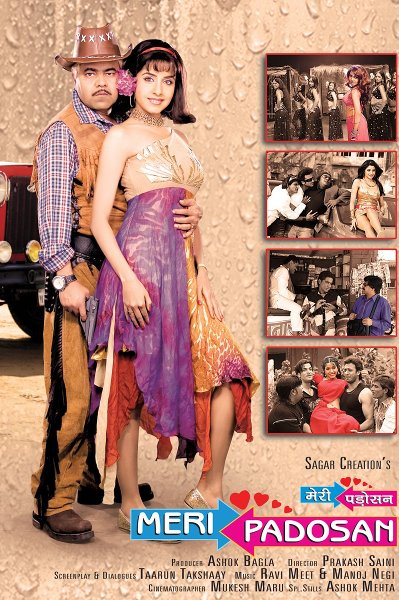
Career Analytics
Genre Breakdown
Language Distribution
Films by Decade
Legacy & Influence
Prakash Saini is a recognized figure in Indian cinema, primarily known for his work as a film editor. His career trajectory is defined by a long-standing collaboration with acclaimed director Anurag Kashyap, contributing to the distinctive raw and gritty aesthetic of the Indian independent film movement. Saini's editing is integral to the narrative pacing and visceral impact of seminal works like "Gulaal" (2009) and the two-part epic "Gangs of Wasseypur" (2012). His technique, characterized by sharp cuts, non-linear storytelling, and a rhythmic assembly of scenes, helped redefine cinematic language in Hindi cinema, moving away from conventional melodrama towards a more fragmented, realistic, and intense viewer experience. His work with Kashyap and other directors in the indie space established him as a key technical artist behind the 'new wave' of the 2000s and 2010s. By shaping the final form of these culturally significant films, Saini's contribution lies in elevating the editor's role from a behind-the-scenes technician to a crucial narrative collaborator. His influence is evident in the stylistic approaches of subsequent editors and filmmakers who adopted a more jarring, realistic, and pace-driven editorial style for dramatic and crime genres.