Jyoti Dogra
Jyoti Dogra is an Indian actor, best known for Tamil cinema. Jyoti Dogra began their career in 2004. With 30 credits to their name and an average audience rating of 7.2, Jyoti Dogra remains one of the most prolific and celebrated talents in the industry. Spanning 20+ years, Jyoti Dogra's career remains one of the longest and most celebrated in Tamil cinema.
Career Milestones
Film debut
View film →Highest rated: Tracker (8.2)
View film →Jyoti Dogra by the Numbers
If you watched every Jyoti Dogra film back-to-back, you'd be at it for roughly 4 hours. Most-paired with Anuj Gurwara — 2 films together.
Filmography
See all 30 credits →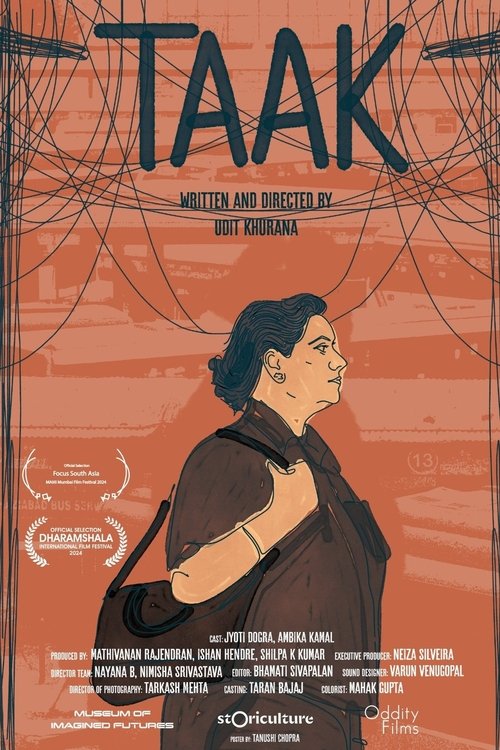
Collaboration Network
Career Analytics
Genre Breakdown
Language Distribution
Films by Decade
Top Co-Actors
See all →Jyoti Dogra has worked most frequently with Anuj Gurwara (2 films).

Legacy & Influence
Jyoti Dogra is a significant figure in contemporary Indian theatre and performance art, whose contributions to cinema, while less extensive than her stage work, reflect a distinct artistic sensibility. Her primary impact on Indian cinema comes through her association with the pioneering digital film 'Hyderabad Blues 2' (2004), a sequel to the landmark indie film that helped usher in a new wave of low-budget, digitally-produced narratives in Indian cinema. Directed by Nagesh Kukunoor, the film continued its predecessor's exploration of cultural dislocation and urban Indian life. Dogra's involvement in this project, even in an unspecified role, places her within a crucial movement that democratized filmmaking in India, challenging the dominance of big-budget studio productions and expanding the thematic and stylistic range of stories told on screen. Her artistic journey is predominantly rooted in experimental theatre, where she is renowned as a creator and performer of intense, physically demanding solo works like 'The Doorway' and 'Notes on Chai'. This background in devised, non-linear, and physically expressive performance informs her screen presence with a depth and authenticity often sought in independent cinema. While her filmography is not vast, her choice to work on projects like 'Hyderabad Blues 2' underscores a career trajectory aligned with alternative, auteur-driven storytelling. Her contribution, therefore, lies not in volume but in the quality of artistic integrity she brings to collaborative projects, bridging the rigorous discipline of experimental theatre with the narrative language of independent film. She represents a strand of Indian artists who prioritize conceptual depth and performative truth over mainstream commercial appeal, thereby enriching the ecosystem of Indian cinema with performers trained in and dedicated to the most demanding forms of live art.