Sai Paranjape
Sai Paranjape is an Indian director, best known for Tamil cinema. Sai Paranjape began their career in 1980. With 30 credits to their name and an average audience rating of 6.4, Sai Paranjape remains one of the most prolific and celebrated talents in the industry. Spanning 40+ years, Sai Paranjape's career remains one of the longest and most celebrated in Tamil cinema.
Career Milestones
Film debut
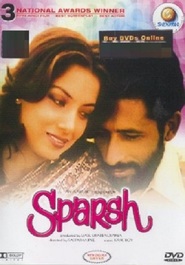
View film →Highest rated: Sparsh (8.1)
View film →Defining Moments
National Film Award for 'Sparsh'
Her directorial debut 'Sparsh' won the National Film Award for Best Feature Film.
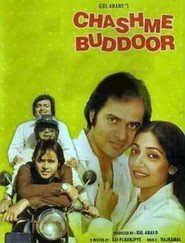
Release of 'Chashme Buddoor'
Directed the iconic comedy 'Chashme Buddoor', which became a cult classic in Indian cinema.
National Film Award for 'Disha'
Won the National Film Award for Best Film on Family Welfare for directing 'Disha'.
Padma Shri Award
Awarded the Padma Shri by the Government of India for her contributions to Indian cinema and arts.
Sai Paranjape by the Numbers
If you watched every Sai Paranjape film back-to-back, you'd be at it for roughly 16 hours. Most-paired with Shabana Azmi — 3 films together.
Filmography
See all 30 credits →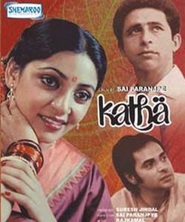
Collaboration Network
The Constellation
Top 6 most-paired collaborators. Bubble size and line thickness reflect how many films they share with Sai Paranjape.
Career Analytics
Language Distribution
Films by Decade
Top Co-Actors
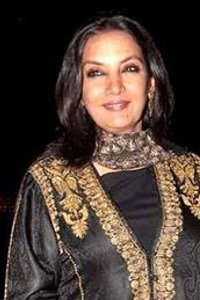
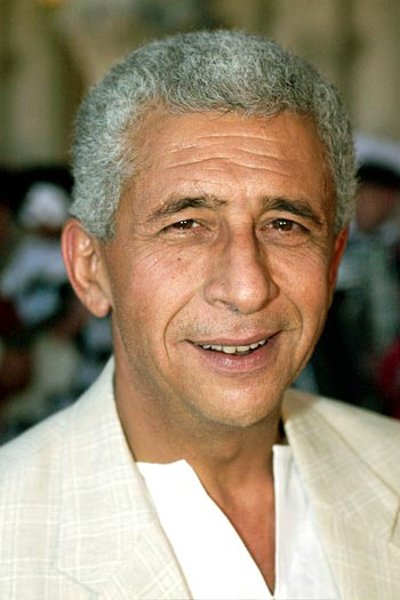
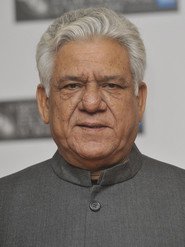
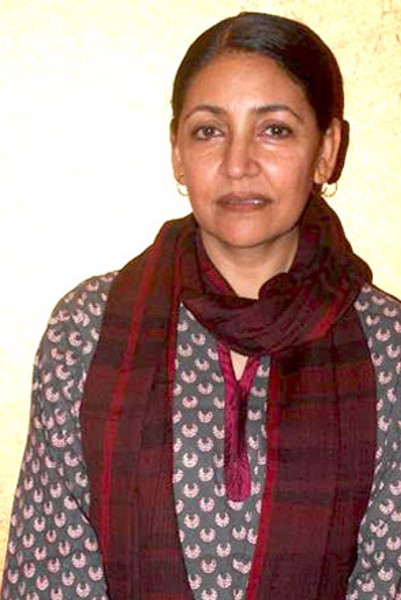
See all →Sai Paranjape has worked most frequently with Shabana Azmi (3 films), Naseeruddin Shah (2 films), Om Puri (2 films), Deepti Naval (2 films), and Farooq Sheikh (2 films).

Did You Know?
Sai Paranjape was a renowned Indian film director, screenwriter, and playwright.
She was the daughter of Indian classical dancer Shakuntala Paranjape and Russian painter Soshy A. Bruns.
She directed the acclaimed children's film 'Sparsh' (1980), which won the National Film Award for Best Feature Film.
She also directed the popular comedy film 'Chashme Buddoor' (1981).
She received the Padma Shri, India's fourth-highest civilian award, in 2006.
Legacy & Influence
Sai Paranjape is a distinguished Indian film director, screenwriter, and playwright who made significant contributions to Indian cinema, particularly in the Marathi and Hindi film industries. Her career trajectory began in theater and children's programming with Doordarshan, where she created the beloved children's show 'Khel Khilone.' This early work demonstrated her unique ability to craft engaging narratives for younger audiences, a skill she would carry into her filmmaking. Paranjape's cinematic debut came with the Marathi film 'Jadu Ka Shankh' (1974), but it was her National Film Award-winning debut in Hindi cinema, 'Sparsh' (1980), that established her as a formidable talent. 'Sparsh,' a sensitive portrayal of a blind school principal, showcased her nuanced storytelling and focus on social themes without resorting to melodrama. She further solidified her reputation with the critically acclaimed 'Katha' (1983), a brilliant social satire on urban middle-class life and tenant-landlord relationships, which remains a cult classic for its sharp writing and memorable characters. Her film 'Disha' (1990) tackled the complex lives of migrant workers in Mumbai, highlighting her consistent engagement with social issues. Paranjape's style is characterized by a gentle yet incisive humanism, realistic character portrayals, and a subtle sense of humor. She often explored feminist perspectives and social justice, bringing marginalized stories to the mainstream with empathy and intelligence. Her work in Marathi cinema, including films like 'Saaz' (1997), also contributed significantly to the industry's landscape. As one of the few prominent female directors of her era, she paved the way for future generations of women filmmakers in India. Her legacy lies in her intelligent, content-driven cinema that balanced artistic integrity with popular appeal, her pioneering role as a woman director, and her enduring films that continue to be studied and appreciated for their social relevance and narrative craftsmanship.