Farooq Sheikh
Farooq Sheikh is an Indian actor, best known for Tamil cinema. Farooq Sheikh began their career in 1981 and has been a prominent figure in the industry for over 45 years. With 30 credits to their name, Farooq Sheikh remains one of the most prolific and celebrated talents in the industry. Spanning 40+ years, Farooq Sheikh's career remains one of the longest and most celebrated in Tamil cinema.
- Born
- Age
- 78
Biography
Farooq Sheikh was a Hindi cinema actor known for his understated, naturalistic performances in parallel and mainstream Indian films from the 1970s through the 2010s. He won the National Film Award for Best Supporting Actor in 2010 for his role in Lahore, and is also remembered for his work in Garam Hawa (1973), Chashme Buddoor (1981), and his final films Listen... Amaya (2013) and Children Of War (2014). He appeared in nine films alongside Deepti Naval, and was a frequent collaborator of directors Sai Paranjpye and Muzaffar Ali. He also hosted the popular television interview show Jeena Issi Ka Naam Hai, and performed in the acclaimed stage play Tumhari Amrita alongside Shabana Azmi for over two decades.
Career Milestones
Film debut in Garam Hawa, a landmark parallel cinema film
Breakthrough role as romantic lead, establishing him as a star of New Indian Cinema
Premiered Tumhari Amrita alongside Shabana Azmi, which became one of India's longest-running modern plays with over 500 performances
Won National Film Award for Best Supporting Actor
Final film released posthumously; died on 28 December 2013
View film →Iconic Roles
Chashme Buddoor
A charming university student in this romantic comedy that became a career-defining role, establishing Farooq Sheikh as a beloved rom-com hero with effortless wit and warmth.
Gaman
A migrant taxi driver from UP struggling to survive in Bombay while longing to return home — a socially conscious performance widely regarded as one of his finest.
Noorie
A breakthrough commercial role opposite Poonam Dhillon in a tragic Kashmiri love story, bringing Farooq Sheikh widespread audience recognition.
Umrao Jaan
A nobleman who falls in love with the courtesan Umrao but cannot marry her due to class barriers — a delicate, lyrical performance in Muzaffar Ali's acclaimed film.
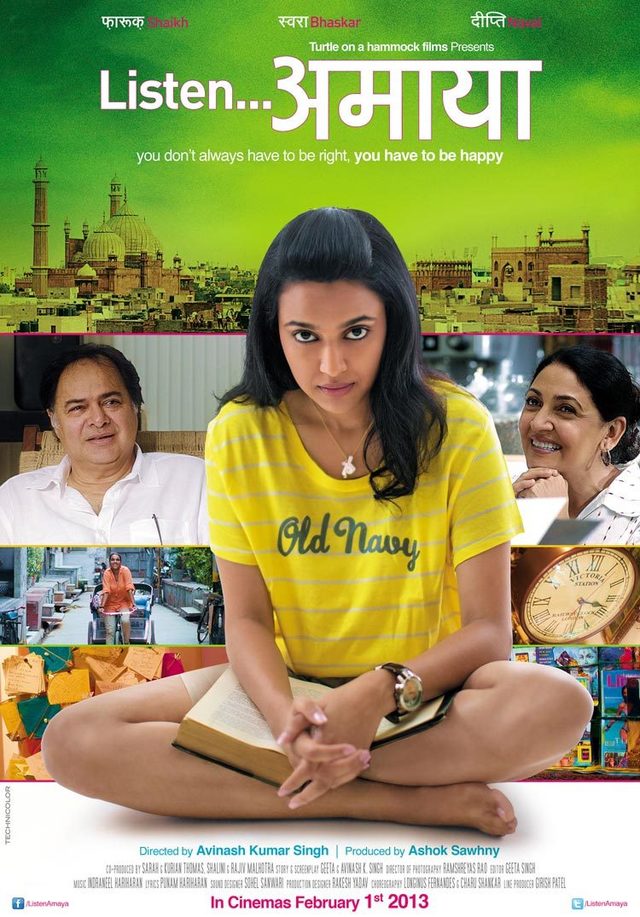
Listen... Amaya
A widowed photographer whose gentle, mature romance forms the emotional heart of the film — one of his most celebrated late-career performances alongside Deepti Naval.
Defining Moments
Farooq Sheikh as Ghulam Hussain, a migrant taxi driver from rural UP, conveying crushing loneliness and longing for home through minimal dialogue and restrained expression — no theatrical outbursts, just silent endurance.
Critically acclaimed as one of his finest performances. His underacting masterclass in portraying urban alienation became a benchmark for naturalistic acting in Indian cinema.
The park date scene where Siddharth (Farooq Sheikh) and Chamki (Deepti Naval) joke about Bollywood clichés of singing around trees — and then actually do it, embracing the trope with playful self-awareness. Their natural, understated chemistry redefined middle-class romance in Indian cinema.
Became a cult classic and established the Farooq Sheikh–Deepti Naval pairing as the definitive portrayal of simple, tender urban romance. The film is widely cited as a landmark in Indian parallel cinema's crossover appeal.
Nawab Sultan watching Umrao Jaan perform a mujra — his character visibly, helplessly smitten — before tradition forces him to abandon her for a socially acceptable marriage, leaving Umrao devastated.
His supporting role was widely praised for emotional depth alongside Rekha's National Award-winning performance. Critics specifically noted how completely he embodied lovestruck yearning and eventual cowardice.
The 'Phir Chhidi Raat Baat Phulon Ki' sequence where his character's helpless, heartbroken love for a woman being forced into an exploitative marriage is rendered through quiet desperation rather than melodrama.
Over four decades later, co-star Supriya Pathak has cited this scene as one audiences still remember vividly. The Khayyam-scored song became iconic, and the scene is frequently referenced in discussions of 1980s parallel cinema.
Farooq Sheikh as Jayant 'Jazz' Sinha, a widowed photographer finding late-life love — his final on-screen reunion with Deepti Naval 32 years after Chashme Buddoor, bringing full-circle poignancy to one of Indian cinema's most beloved pairings.
His last film before his death in December 2013. The reunion resonated deeply with audiences and critics as a bittersweet closing chapter, cementing his legacy as the quiet, dignified face of middle-class Indian romance.
View film →Farooq Sheikh by the Numbers
If you watched every Farooq Sheikh film back-to-back, you'd be at it for roughly 2 days and 10h. Most-paired with Farooq Shaikh — 14 films together.
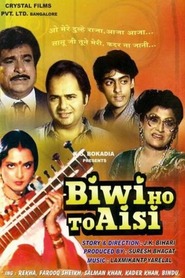
Filmography
See all 30 credits →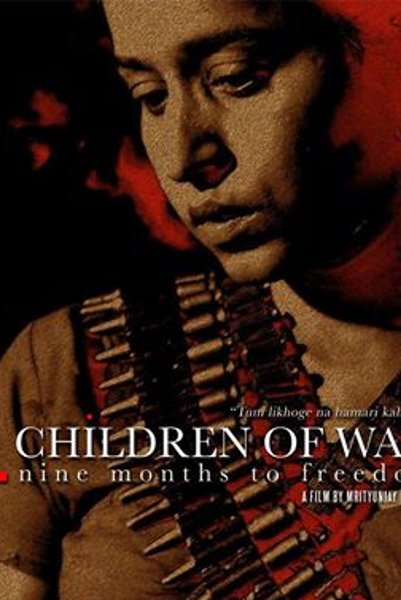

Collaboration Network
The Constellation
Top 10 most-paired collaborators. Bubble size and line thickness reflect how many films they share with Farooq Sheikh.
Career Analytics
Language Distribution
Films by Decade
Top Co-Actors
See all →Farooq Sheikh has worked most frequently with Ketan Mehta (2 films), Hrishikesh Mukherjee (2 films), Sai Paranjape (2 films), Muzaffar Ali (2 films), and Farooq Shaikh (14 films).

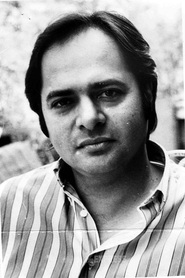


Did You Know?
Farooq Sheikh was a respected Indian actor known for his work in parallel cinema and mainstream Bollywood.
He was a trained lawyer, having earned a law degree from Siddharth College of Law, Mumbai.
He made his film debut in the 1973 film 'Garm Hava', a critically acclaimed drama about the Partition of India.
He was a popular stage actor and performed in numerous plays, including collaborations with Satyadev Dubey.
He co-hosted the popular television talk show 'Jeena Isi Ka Naam Hai' on Doordarshan in the 1990s.
Legacy & Influence
Farooq Sheikh was a distinguished actor whose career in Indian cinema and theatre is celebrated for its subtlety, naturalism, and profound humanity. Emerging in the early 1970s, he became a defining figure of the parallel cinema movement, collaborating with seminal directors like Satyajit Ray (Shatranj Ke Khilari), Muzaffar Ali (Gaman, Umrao Jaan), and Sai Paranjpye (Chashme Buddoor, Katha). His contribution lies in embodying the educated, middle-class urban Indian with an effortless authenticity that was rare in mainstream Hindi cinema at the time. In films like Chashme Buddoor (1981), he presented a new kind of romantic hero—gentle, witty, and relatable, a stark contrast to the more flamboyant leads of the era. This performance, alongside his work in ensemble comedies like Rang Birangi (1983) and dramatic roles in films like Bazaar (1982), showcased his exceptional range and ability to anchor a narrative with quiet dignity. His career trajectory was unique; after a highly successful initial phase, he took a long hiatus from films to focus on theatre and television, where he continued to deliver acclaimed work, notably in the TV series Jeena Isi Ka Naam Hai. His return to mainstream cinema in the 2000s and 2010s, in films like Lahore (2010), Yeh Jawaani Hai Deewani (2013), and Club 60 (2013), introduced him to a new generation, who appreciated his gravitas and nuanced performances. Beyond film, his commitment to theatre, particularly his long-standing partnership with director-actor Saurabh Shukla in productions like Tumhari Amrita, cemented his legacy as a versatile and dedicated artist. Farooq Sheikh's greatest contribution was his unwavering commitment to understated, character-driven storytelling. He elevated every project with his presence, proving that impact could be made through quiet integrity rather than melodrama, leaving behind a body of work that continues to be a masterclass in naturalistic acting.