Babita Bhardwaj
Babita Bhardwaj is an Indian actor, best known for Tamil cinema. Babita Bhardwaj began their career in 1995. With 30 credits to their name, Babita Bhardwaj remains one of the most prolific and celebrated talents in the industry. An emerging voice in Tamil cinema, Babita Bhardwaj is already attracting significant attention for their distinctive work.
Career Milestones
Film debut
View film →Highest rated: Tarpan (6.5)
View film →Babita Bhardwaj by the Numbers
If you watched every Babita Bhardwaj film back-to-back, you'd be at it for roughly 2 hours.
Filmography
See all 30 credits →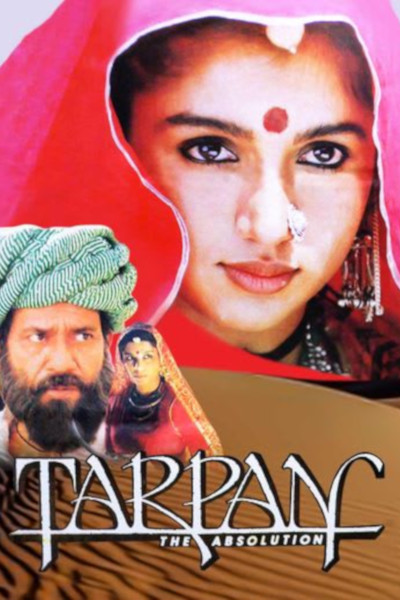
Career Analytics
Language Distribution
Films by Decade
Legacy & Influence
Babita Bhardwaj is a lesser-known figure in the vast landscape of Indian cinema, with her most notable work being her role in the 1995 film 'Tarpan'. Directed by Goutam Ghose, 'Tarpan' is a significant film in the parallel cinema movement, addressing themes of drought, displacement, and the clash between tradition and modernity in rural India. Bhardwaj's involvement in this project places her within a cadre of artists who contributed to socially conscious filmmaking during the 1990s, a period that saw a blend of mainstream and art-house narratives. Her performance, though not widely documented in critical discourses, forms part of the ensemble that brought this poignant story to life. The film itself is recognized for its stark realism and artistic merit, having been screened at international festivals. Beyond this credit, there is scant public record of a sustained film career, suggesting her contribution may be defined by this specific, meaningful participation in a critically acclaimed project rather than a long filmography. Consequently, her legacy is intrinsically tied to 'Tarpan' and its enduring message about environmental and social crises, representing the many supporting artists whose work bolsters impactful cinema without achieving widespread individual fame. Her career trajectory appears limited, but her association with a director like Ghose and a film of such thematic weight indicates a deliberate choice to engage with substantive storytelling. In the broader context, figures like Bhardwaj represent the essential collaborative nature of filmmaking, where every performance contributes to the collective artistic statement.