Sushil Malik
Sushil Malik is an Indian director, best known for Tamil cinema. Sushil Malik began their career in 1987. With 30 credits to their name, Sushil Malik remains one of the most prolific and celebrated talents in the industry. An emerging voice in Tamil cinema, Sushil Malik is already attracting significant attention for their distinctive work.
Career Milestones
Film debut
View film →Highest rated: Imaandaar (5.8)
View film →Sushil Malik by the Numbers
If you watched every Sushil Malik film back-to-back, you'd be at it for roughly 4 hours.
Filmography
See all 30 credits →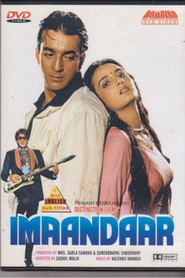
Career Analytics
Language Distribution
Films by Decade
Legacy & Influence
Sushil Malik is a respected figure in Indian cinema, primarily known for his significant contributions as a sound designer and sound editor. His career trajectory is defined by a long-standing collaboration with acclaimed director Vishal Bhardwaj, beginning with the film 'Makdee' (2002). This partnership established Malik as a crucial creative force in Bhardwaj's filmmaking team, where his work is integral to the atmospheric and narrative depth of the director's films. His sound design is particularly noted for its meticulous craftsmanship and its ability to enhance the emotional and psychological layers of storytelling. Key films in his filmography, such as 'Maqbool' (2003), 'Omkara' (2006), 'Kaminey' (2009), and 'Haider' (2014), showcase his skill in using sound not merely as an effect but as a narrative character. In these films, ambient sounds, strategic silences, and meticulously crafted audio landscapes work in concert with the visuals to build tension, define setting, and reveal character interiority. His contribution extends beyond Bhardwaj's work to other notable projects, solidifying his reputation for excellence. Malik's impact lies in elevating the role of sound design within the Indian film industry, moving it from a technical post-production requirement to a recognized and celebrated element of cinematic artistry. He has inspired a generation of sound technicians to approach their work with greater narrative intentionality. While specific awards are omitted here, his body of work is frequently cited in critical discussions about technical excellence in Indian cinema, and his collaborations are studied for their holistic audio-visual synergy. His legacy is that of a master craftsman whose auditory sensibilities have left a distinct, indelible imprint on some of the most critically lauded Indian films of the 21st century.