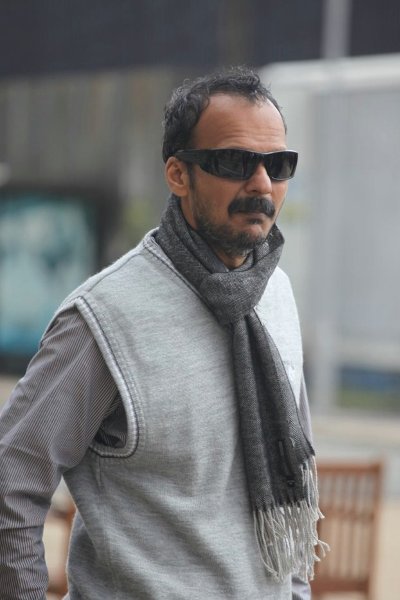
Nirav Shah
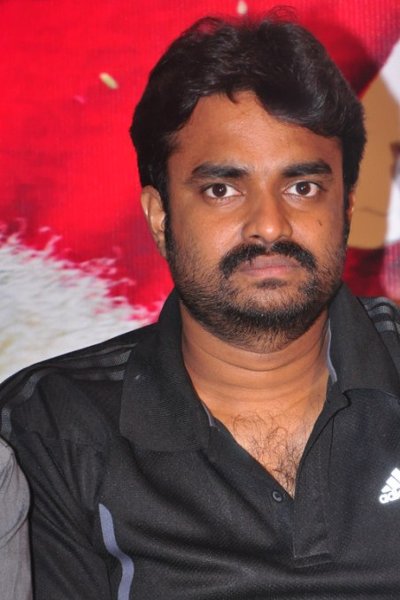
Nirav Shah is an Indian cinematographer, best known for Tamil cinema. Nirav Shah began their career in 2004 and has been a prominent figure in the industry for over 22 years. With over 60 credits to their name and an average audience rating of 6.5, Nirav Shah remains one of the most prolific and celebrated talents in the industry.
- Born
- Age
- 51
Biography
Nirav Shah is an acclaimed Indian cinematographer. He has worked on a number of major box office hits in Hindi and Tamil since his debut with the 2004 Hindi film Paisa Vasool.
Career Milestones
Film debut
View film →Highest rated: Gabbar is Back (8.2)
View film →Defining Moments
Feature Film Debut
Made his debut as a cinematographer with the Hindi film 'Paisa Vasool'.
Critical Acclaim and Award
Won the Filmfare Award for Best Cinematographer for his work on the Tamil psychological thriller 'Anniyan'.
Blockbuster Success
Served as the Director of Photography for the massive Tamil blockbuster 'Sivaji: The Boss', starring Rajinikanth.
Nirav Shah by the Numbers
If you watched every Nirav Shah film back-to-back, you'd be at it for roughly 3 days and 23h. Most-paired with A. L. Vijay — 8 films together.
Filmography
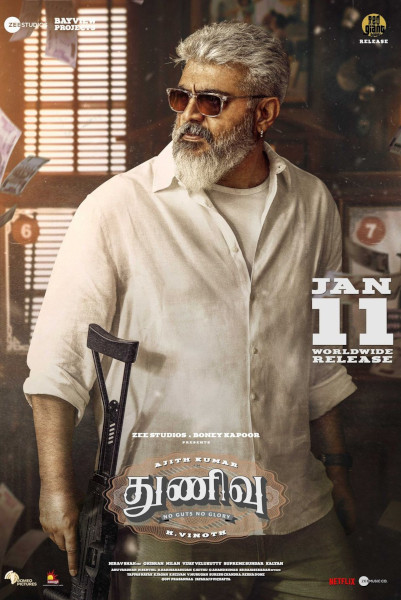
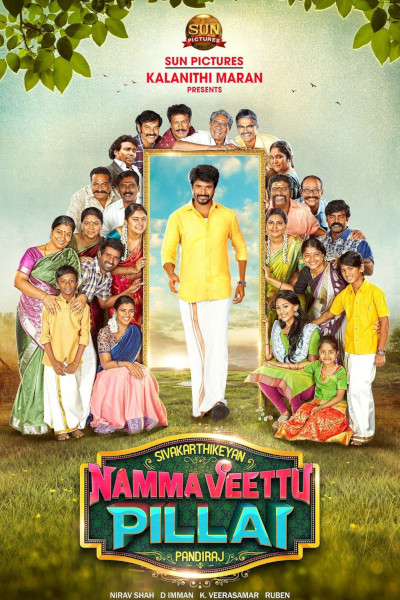
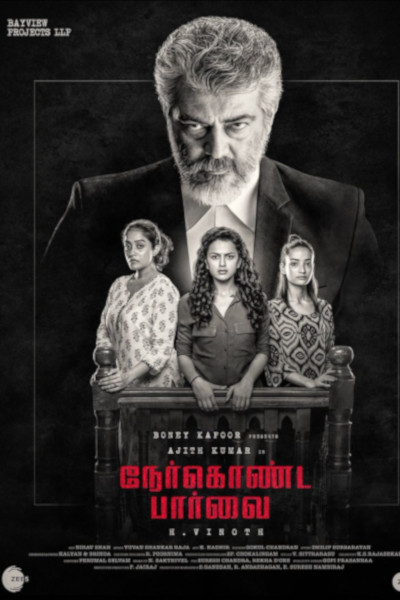
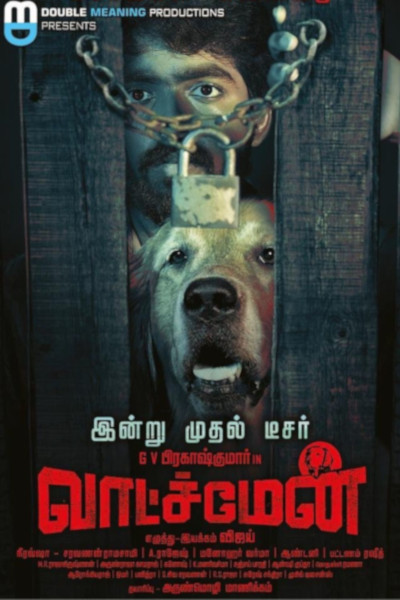
See all 60 credits →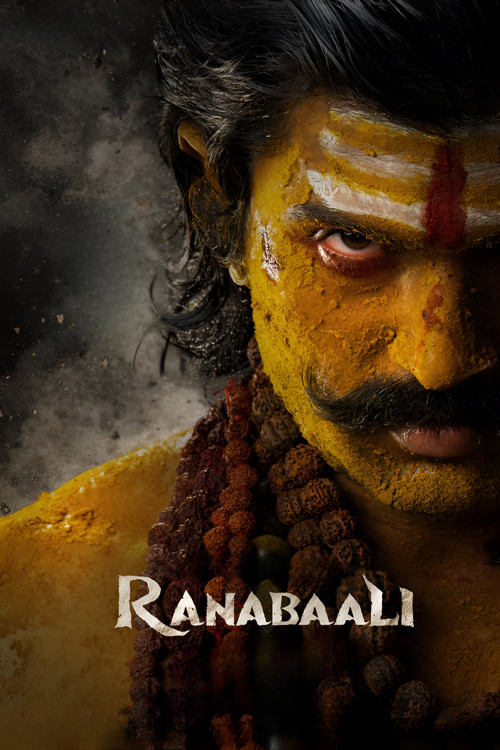

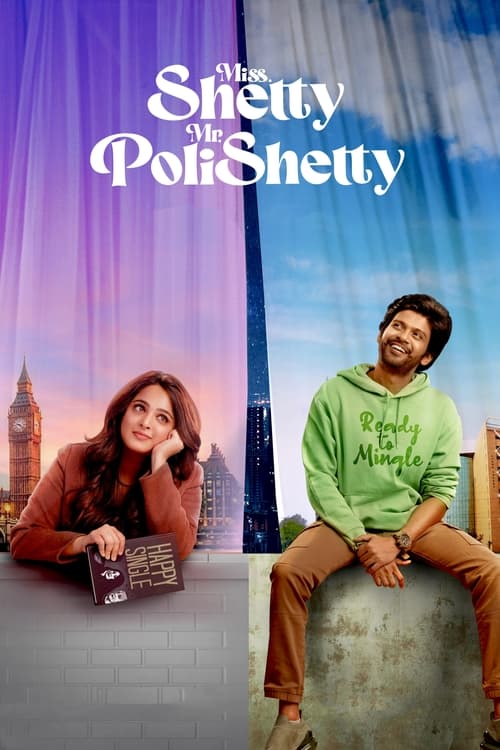
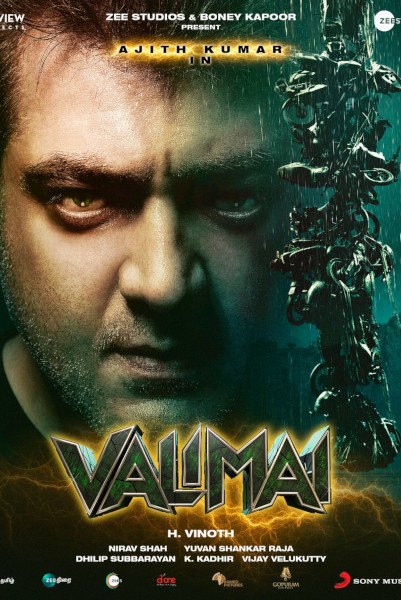
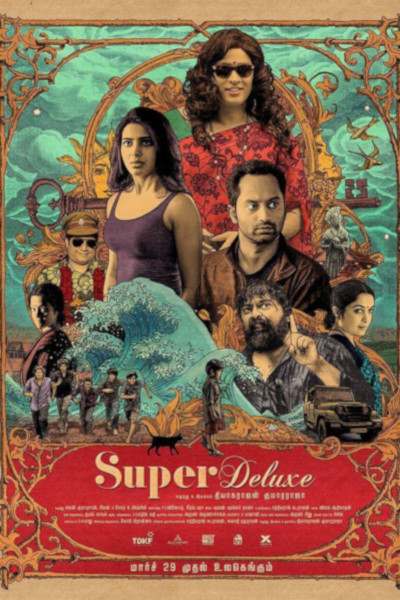

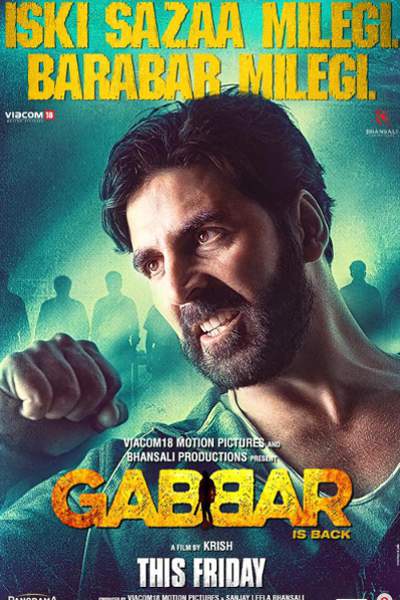
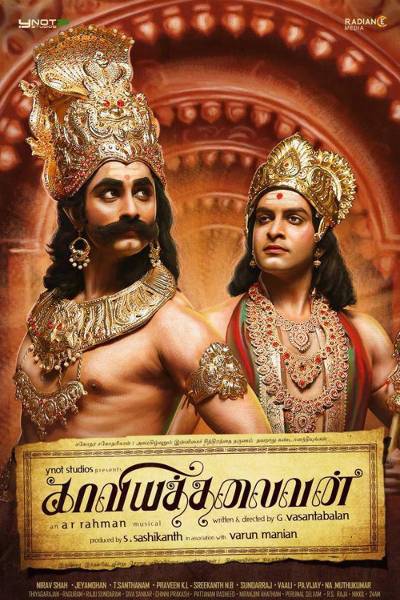
Collaboration Network
The Constellation
Top 10 most-paired collaborators. Bubble size and line thickness reflect how many films they share with Nirav Shah.
Career Analytics
Genre Breakdown
Language Distribution
Films by Decade
Top Co-Actors
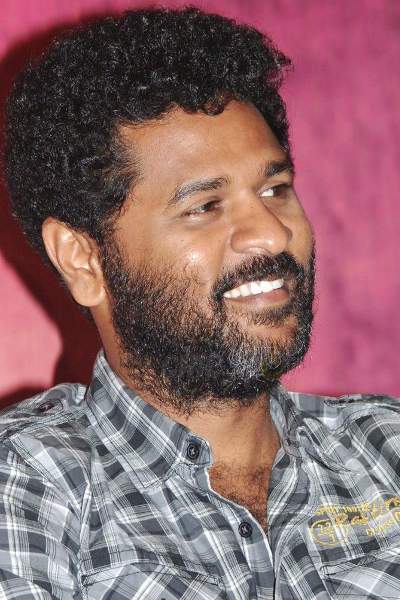
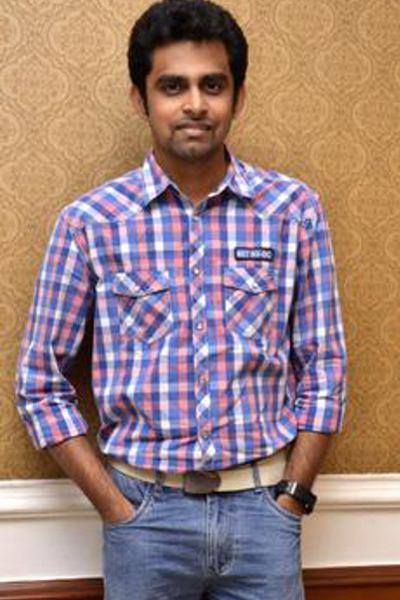
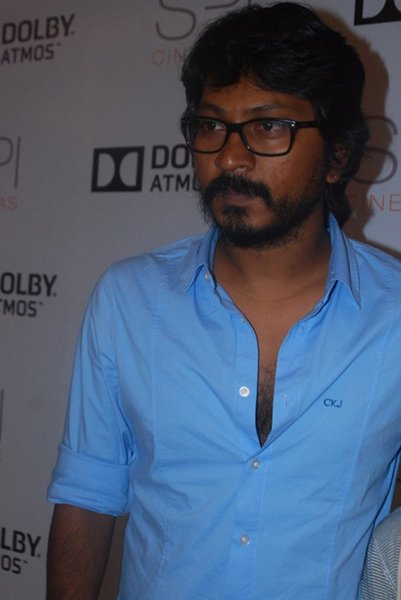
See all →Nirav Shah has worked most frequently with A. L. Vijay (8 films), Prabhu Deva (3 films), H. Vinoth (3 films), Balaji Mohan (2 films), and Vishnuvardhan (2 films).

Did You Know?
Nirav Shah is the son of veteran cinematographer V. K. Murthy, who worked with legendary director Guru Dutt.
He studied cinematography at the Film and Television Institute of India (FTII), Pune.
He has frequently collaborated with director S. Shankar, working on films like 'Anniyan' (2005) and 'Sivaji' (2007).
He won the Filmfare Award for Best Cinematographer for the Tamil film 'Anniyan' (2005).
He served as the cinematographer for the blockbuster Tamil film 'Sivaji: The Boss' (2007), starring Rajinikanth.
Legacy & Influence
Nirav Shah is a cinematographer whose work has significantly shaped the visual language of contemporary Indian commercial cinema, particularly in the Hindi and Tamil film industries. Emerging in the mid-2000s, his career trajectory is marked by a consistent ability to deliver high-gloss, visually dynamic imagery that complements large-scale, mass-appeal storytelling. His debut with the Hindi film 'Paisa Vasool' (2004) was followed by a series of major box office successes that established his reputation. Shah's collaboration with director A.R. Murugadoss on films like the Hindi blockbuster 'Ghajini' (2008) and the Tamil hit 'Engaeyum Eppothum' (2011) showcased his versatility. In 'Ghajini', his stark, high-contrast lighting and kinetic camera work became integral to the film's intense narrative and iconic look. He further demonstrated his range in the lavish, colorful spectacle of S. Shankar's 'I' (2015) in Tamil, handling complex visual effects sequences and creating a distinct aesthetic for the film's fantasy elements. His work in the Hindi film 'Force' (2011) and its sequel, along with films like 'Boss' (2013) and 'Action Jackson' (2014), cemented his status as a go-to cinematographer for stylized action and hero-centric narratives. Shah's contribution lies in his mastery of mainstream cinematic grammar—using lighting, color palettes, and camera movement to amplify drama, enhance star personas, and create memorable visual set-pieces. His cinematography is characterized by a polished, often heightened realism that appeals directly to a wide audience, making him a key figure in defining the look of the modern Indian commercial potboiler across two major linguistic film cultures.