Kiran Phadnis
Kiran Phadnis is an Indian director, best known for Tamil cinema. Kiran Phadnis began their career in 2015. With 30 credits to their name, Kiran Phadnis remains one of the most prolific and celebrated talents in the industry. An emerging voice in Tamil cinema, Kiran Phadnis is already attracting significant attention for their distinctive work.
Career Milestones
Film debut
View film →Kiran Phadnis by the Numbers
If you watched every Kiran Phadnis film back-to-back, you'd be at it for roughly 2 hours.
Filmography
See all 30 credits →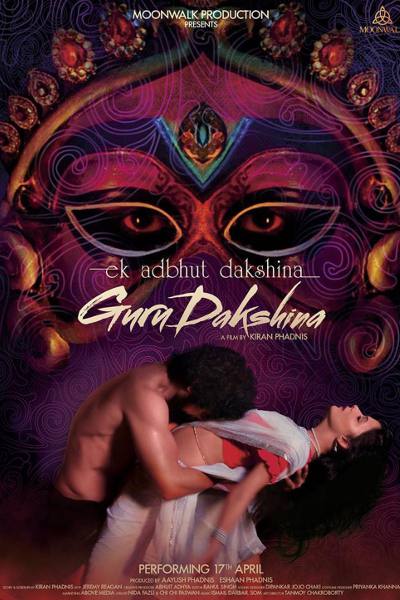
Career Analytics
Language Distribution
Films by Decade
Legacy & Influence
Kiran Phadnis is a notable figure in Indian cinema, recognized primarily as a costume designer and stylist. Her career trajectory is defined by a significant and sustained contribution to the visual aesthetics of Hindi films, particularly through her detailed and character-driven costume design. Phadnis established herself as a key collaborator with prominent production houses and directors, most notably working extensively on films produced by Dharma Productions. Her work is characterized by a blend of contemporary fashion sensibility with narrative appropriateness, helping to define the on-screen personas of numerous leading actors in the 2000s and 2010s. A major aspect of her legacy is her long-term association with filmmaker Karan Johar, for whom she has served as the principal costume designer on multiple high-profile projects. This collaboration includes iconic films such as 'Kabhi Khushi Kabhie Gham...' (2001), where her designs for the lavish wedding sequences and family gatherings became deeply embedded in popular culture, setting trends in Indian bridal and formal wear. Her work extended to other major productions like 'Kal Ho Naa Ho' (2003) and 'Kabhi Alvida Naa Kehna' (2006), where her costumes effectively communicated character arcs, social status, and emotional tones. Beyond styling individual films, Kiran Phadnis's influence lies in elevating the role of the costume designer within the mainstream Hindi film industry. She demonstrated that costumes are not merely decorative but are integral to storytelling and brand building for a film. Her designs often sparked nationwide fashion trends, with audiences emulating the styles worn by lead actors. By consistently delivering work that balanced commercial appeal with artistic integrity, she helped solidify the importance of dedicated styling departments in large-scale Bollywood productions. Her career represents a shift towards greater professionalization and recognition for behind-the-scenes creative roles in Indian cinema.