K. Sornam
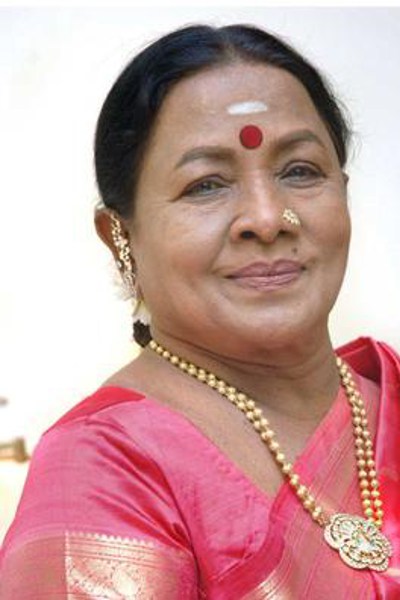
K. Sornam is an Indian director, best known for Tamil cinema. K. Sornam began their career in 1975. With 30 credits to their name, K. Sornam remains one of the most prolific and celebrated talents in the industry. Spanning 50+ years, K. Sornam's career remains one of the longest and most celebrated in Tamil cinema.
Career Milestones
Film debut
View film →K. Sornam by the Numbers
If you watched every K. Sornam film back-to-back, you'd be at it for roughly 7 hours. Most-paired with Manorama — 3 films together.
Filmography
See all 30 credits →Collaboration Network
The Constellation
Top 2 most-paired collaborators. Bubble size and line thickness reflect how many films they share with K. Sornam.
Career Analytics
Language Distribution
Films by Decade
Top Co-Actors
See all →K. Sornam has worked most frequently with Manorama (3 films), and Sripriya (2 films).

Legacy & Influence
K. Sornam was a pioneering figure in the early decades of South Indian cinema, primarily active as a film producer and studio owner during the 1930s and 1940s. His most significant contribution was the establishment of the influential Sri Rajarajeshwari Film Company in Madras (now Chennai). This company was instrumental in producing some of the earliest and most notable Tamil and Telugu films, providing a crucial platform for the development of the regional film industries at a time when infrastructure was nascent. Sornam is particularly remembered for producing the landmark Tamil film "Bhaktha Kuchela" (1936), directed by C. Pullaiah and starring M. S. Santhanalakshmi. The film was a major commercial and critical success, celebrated for its devotional narrative and technical quality, helping to solidify the mythological genre's popularity in Tamil cinema. His company also produced other significant early talkies like "Sathi Savithri" (1933) and "Kovalan" (1940). By founding and sustaining a major production house, Sornam played a foundational role in creating an ecosystem for filmmakers, actors, and technicians in the South. He provided opportunities and resources that helped shape the careers of early cinema artists and contributed to the growth of Madras as a major film production center. His work in the pre- and post-independence era represents a critical chapter in the transition from silent films to talkies and the professionalization of film production in South India.