Anil Chaudhary
Anil Chaudhary is an Indian director, best known for Tamil cinema. Anil Chaudhary began their career in 1987. With 30 credits to their name, Anil Chaudhary remains one of the most prolific and celebrated talents in the industry. Spanning 30+ years, Anil Chaudhary's career remains one of the longest and most celebrated in Tamil cinema.
Career Milestones
Film debut
View film →Highest rated: 7 Saal Baad (5.5)
View film →Anil Chaudhary by the Numbers
If you watched every Anil Chaudhary film back-to-back, you'd be at it for roughly 4 hours.
Filmography
See all 30 credits →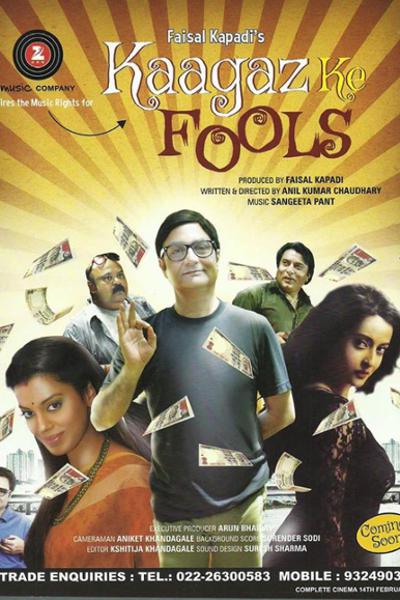
Career Analytics
Language Distribution
Films by Decade
Legacy & Influence
Anil Chaudhary is a supporting actor whose career in Hindi cinema is primarily associated with the 1980s and 1990s. He is recognized for his frequent portrayals of antagonistic or morally ambiguous characters, often appearing as a henchman, corrupt official, or rival in numerous action and drama films. His presence in this specific character niche contributed to the texture of mainstream commercial cinema during that era, providing reliable oppositional force to the protagonists. While not a leading star, his consistent work as a character actor filled a specific demand within the industry's filmmaking ecosystem. His filmography includes roles in movies such as '7 Saal Baad' (1987), 'Ghayal' (1990), 'Tridev' (1989), and 'Dil' (1990), among others. In these films, he often shared screen space with major stars, fulfilling a functional role that advanced plot conflicts. His contribution lies in his part within the ensemble casts of many successful multi-starrers, helping to define the archetypal villainous support common to the period's cinematic language. There is no widely documented, singularly transformative impact on film craft or narrative, but his career represents the essential role of dependable character actors in sustaining the output and genre conventions of popular Hindi cinema during its peak commercial years. His work remains a recognizable, if minor, component of the period's filmic landscape for dedicated viewers of the era.