Vijay R. Anand
Vijay R. Anand is an Indian director, best known for Tamil cinema. Vijay R. Anand began their career in 2010. With 30 credits to their name and an average audience rating of 7.5, Vijay R. Anand remains one of the most prolific and celebrated talents in the industry. Vijay R. Anand is one of the most closely watched talents of their generation, with a rapidly growing body of acclaimed work.
Vijay R. Anand by the Numbers
If you watched every Vijay R. Anand film back-to-back, you'd be at it for roughly 4 hours.
Filmography
See all 30 credits →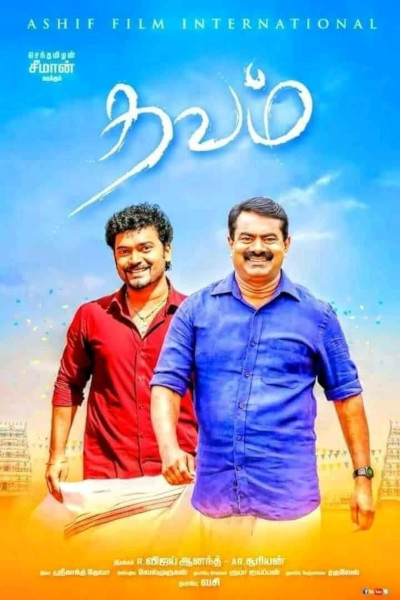
Career Analytics
Language Distribution
Films by Decade
Legacy & Influence
Vijay R. Anand, professionally known as Vijay Anand, was a seminal figure in Indian cinema, renowned as a director, screenwriter, editor, and actor. His career, primarily in Hindi films from the late 1950s through the 1970s, is celebrated for its sophisticated craftsmanship and narrative innovation. He is a key architect of the 'Bollywood thriller' and is often hailed as the 'Master of the Classic Thriller'. Anand's directorial style was characterized by meticulous pacing, clever plot construction, and a distinctive visual flair, particularly in his use of the camera to create suspense and glamour. His collaborations with his brother, the legendary actor Dev Anand, and the composer S.D. Burman, produced some of Hindi cinema's most iconic films. His 1965 classic 'Guide', based on R.K. Narayan's novel, is considered a landmark for its mature storytelling, complex characters, and brilliant musical integration, elevating the artistic potential of mainstream cinema. Films like 'Jewel Thief' (1967) and 'Johnny Mera Naam' (1970) perfected the formula of the stylish, twist-laden crime thriller, blending suspense with music, romance, and charismatic performances. These works established a template for the genre that influences filmmakers to this day. Beyond direction, his skill as an editor brought a crisp, modern rhythm to his narratives. Vijay Anand also served as the editor of the film magazine 'Super' and was briefly the chairman of the Central Board of Film Certification, where he advocated for progressive content. His contribution lies in elevating popular entertainment with intelligence, technical polish, and a modern sensibility, leaving an indelible mark on the grammar of commercial Hindi filmmaking.