Gajanan Jagirdar
Gajanan Jagirdar is an Indian actor, best known for Tamil cinema. Gajanan Jagirdar began their career in 1979. With 30 credits to their name and an average audience rating of 6.3, Gajanan Jagirdar remains one of the most prolific and celebrated talents in the industry. Gajanan Jagirdar is one of the most closely watched talents of their generation, with a rapidly growing body of acclaimed work.
Career Milestones
Film debut
View film →Highest rated: Dostana (6.8)
View film →Gajanan Jagirdar by the Numbers
If you watched every Gajanan Jagirdar film back-to-back, you'd be at it for roughly 11 hours. Most-paired with Amrish Puri — 2 films together.
Filmography
See all 30 credits →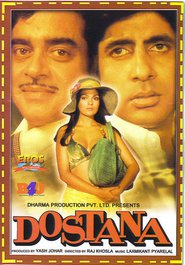
Collaboration Network
The Constellation
Top 5 most-paired collaborators. Bubble size and line thickness reflect how many films they share with Gajanan Jagirdar.
Career Analytics
Language Distribution
Films by Decade
Top Co-Actors
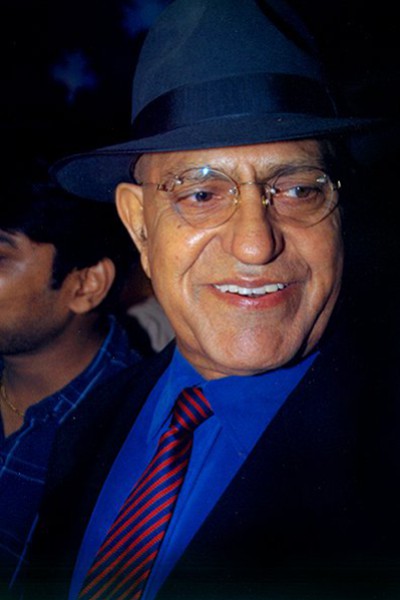
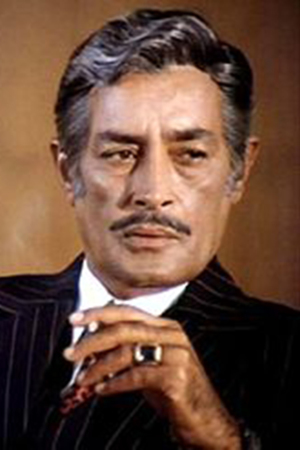
See all →Gajanan Jagirdar has worked most frequently with Amrish Puri (2 films), Shail Chaturvedi (2 films), Urmila Bhatt (2 films), Shubha Khote (2 films), and Iftekhar (2 films).

Legacy & Influence
Gajanan Jagirdar was a significant figure in the formative decades of Indian cinema, primarily active from the 1930s through the 1960s. His career trajectory was multifaceted, encompassing acting, directing, and screenwriting, which allowed him to contribute to the industry's growth beyond a single role. He is perhaps best remembered for his work in the Prabhat Film Company, a studio renowned for its socially conscious and mythological films that helped shape early cinematic storytelling in India. As an actor, Jagirdar often portrayed character roles with depth, appearing in notable films like 'Amar Jyoti' (1936) and 'Manoos' (1939), which addressed themes of social justice and human resilience. His directorial ventures, such as 'Mazha Bal' (1953) and 'Lakhachi Gosht' (1960), further demonstrated his commitment to Marathi cinema and regional storytelling. Jagirdar's contribution lies in his steady presence during a period of rapid evolution in Indian film, bridging the silent era to the talkies and later to the post-independence cinematic landscape. He worked alongside pioneering figures like V. Shantaram and contributed to narratives that, while sometimes melodramatic by modern standards, reflected the social concerns of their time. His career, though not as widely chronicled in mainstream film history as some of his contemporaries, represents the essential work of character actors and directors who provided the foundation for the industry's diverse genres and regional expressions. Without overstating his fame, his body of work remains a part of the archival fabric of early Indian cinema.