Balamurugan
Balamurugan is an Indian director, best known for Tamil cinema. Balamurugan began their career in 1971. With 30 credits to their name, Balamurugan remains one of the most prolific and celebrated talents in the industry. Spanning 50+ years, Balamurugan's career remains one of the longest and most celebrated in Tamil cinema.
Biography
C. Balamurugan is a Tamil film director known for helming the 2007 romantic drama Mudhal Kanave, a Tamil-language film set in Kanyakumari. Mudhal Kanave, released on 20 April 2007, starred Vikranth and Honey Rose, with music by Srikanth Deva and cinematography by M. D. Venugopal. The film follows a struggling painter named Hari who falls for a married woman named Jennifer, exploring themes of unrequited love and shared pasts. No widely documented awards or subsequent major directorial works for C. Balamurugan were found in available sources.
Balamurugan by the Numbers
If you watched every Balamurugan film back-to-back, you'd be at it for roughly 14 hours.
Filmography
See all 30 credits →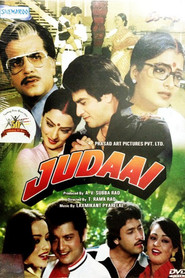
Career Analytics
Language Distribution
Films by Decade
Legacy & Influence
Balamurugan is a name that appears in the context of Tamil cinema, primarily associated with the 1997 film 'Balamurugan' directed by R. Parthiban, where the titular character is portrayed by actor R. Parthiban himself. The film is a notable dark comedy and satire that critiques societal hypocrisy, political corruption, and media sensationalism. Its narrative revolves around a man who fakes his own death to observe the reactions of those around him, revealing their true natures. The film's contribution lies in its bold, unconventional storytelling and its willingness to challenge established norms within the commercial film framework of the 1990s. It employed a meta-cinematic approach and breaking of the fourth wall, techniques that were relatively rare in mainstream Indian cinema at the time. While not a major commercial success upon release, 'Balamurugan' has garnered a significant cult following over the years for its sharp writing, philosophical undertones, and Parthiban's distinctive directorial voice. The film is often cited in discussions about innovative Tamil cinema and is recognized for its intellectual critique of society. Its legacy is that of a pioneering satirical work that demonstrated the potential for mainstream films to engage with complex, cynical themes in an entertaining format, influencing later filmmakers interested in subverting genre conventions.