Shashank Udapurkar
Shashank Udapurkar is an Indian director, best known for Tamil cinema. Shashank Udapurkar began their career in 2016. With 30 credits to their name, Shashank Udapurkar remains one of the most prolific and celebrated talents in the industry. Shashank Udapurkar is one of the most closely watched talents of their generation, with a rapidly growing body of acclaimed work.
Career Milestones
Film debut
View film →Highest rated: Anna (5.7)
View film →Shashank Udapurkar by the Numbers
If you watched every Shashank Udapurkar film back-to-back, you'd be at it for roughly 7 hours.
Filmography
See all 30 credits →
Career Analytics
Genre Breakdown
Language Distribution
Films by Decade
Legacy & Influence
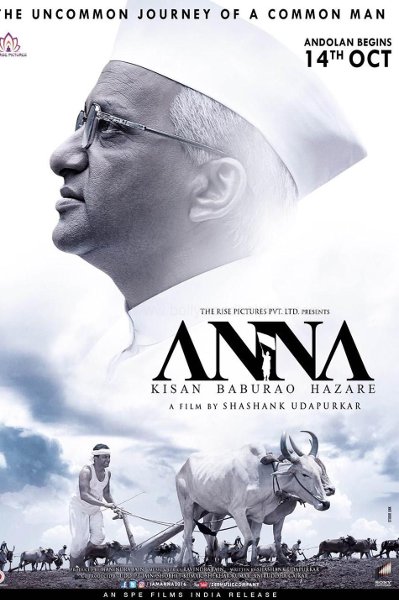
Shashank Udapurkar is a multifaceted figure in Indian cinema, primarily recognized as a writer, director, and producer, with a significant focus on biographical and socially relevant films. His career trajectory is defined by a commitment to bringing lesser-known but impactful real-life stories to the mainstream Marathi and Hindi film audiences. Udapurkar first gained major attention as the writer and director of the acclaimed Marathi film 'Mee Shivajiraje Bhosale Boltoy' (2009), a socio-political satire that became a massive commercial and critical success. This film is widely noted for its sharp commentary on contemporary Marathi identity and social issues, sparking public discourse and solidifying his reputation as a filmmaker with a distinct voice. His subsequent directorial venture, 'Anna' (2016), further demonstrated his inclination towards biographical narratives, focusing on the life of Indian anti-corruption activist Kisan Baburao Hazare, popularly known as Anna Hazare. While the film's reception was mixed, it underscored Udapurkar's consistent thematic pursuit of highlighting figures of social change. Beyond direction, his work as a producer through his banner, Akshay Bardapurkar's Planet Marathi, has been instrumental in promoting Marathi cinema on larger platforms, including digital streaming services. This move has contributed to the wider distribution and accessibility of regional language films. His contributions are thus twofold: as a creator of content that engages with socio-political themes, encouraging a cinema of substance, and as a producer facilitating the infrastructural growth and reach of Marathi cinema in the national and digital arena. While not a prolific actor, his forays in front of the camera are limited. His legacy lies in his role as a storyteller who uses the biographical and satirical genres to reflect and critique society, and as an industry player helping to expand the market for regional filmmaking.