Sneha Khanwalkar
Sneha Khanwalkar is an Indian composer, best known for Tamil cinema. Sneha Khanwalkar began their career in 2007. With 30 credits to their name and an average audience rating of 6.4, Sneha Khanwalkar remains one of the most prolific and celebrated talents in the industry. Spanning 10+ years, Sneha Khanwalkar's career remains one of the longest and most celebrated in Tamil cinema.
Career Milestones
Film debut
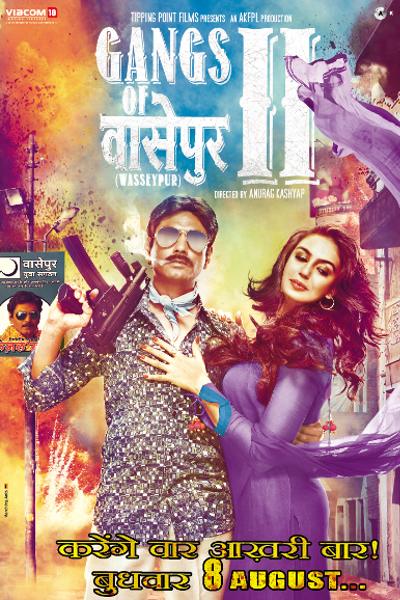
View film →Highest rated: Gangs of Wasseypur - Part 2 (8.4)
View film →Defining Moments
Debut as music director
Composed music for Dibakar Banerjee's film 'Love Sex Aur Dhokha', marking her entry into Bollywood.
Breakthrough with 'Gangs of Wasseypur'
Gained widespread acclaim for her innovative soundtrack and background score in Anurag Kashyap's epic crime film.
Filmfare Award win
Won the Filmfare Award for Best Background Score for 'Gangs of Wasseypur'.
Sneha Khanwalkar by the Numbers
If you watched every Sneha Khanwalkar film back-to-back, you'd be at it for roughly 21 hours. Most-paired with Dibakar Banerjee — 2 films together.
Filmography
See all 30 credits →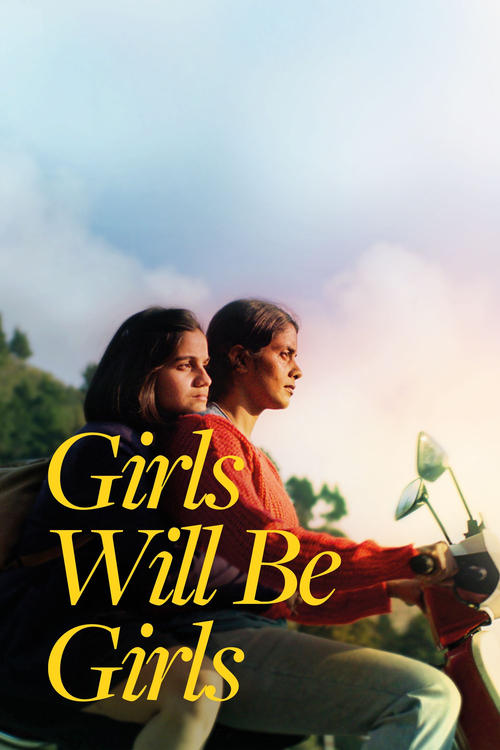
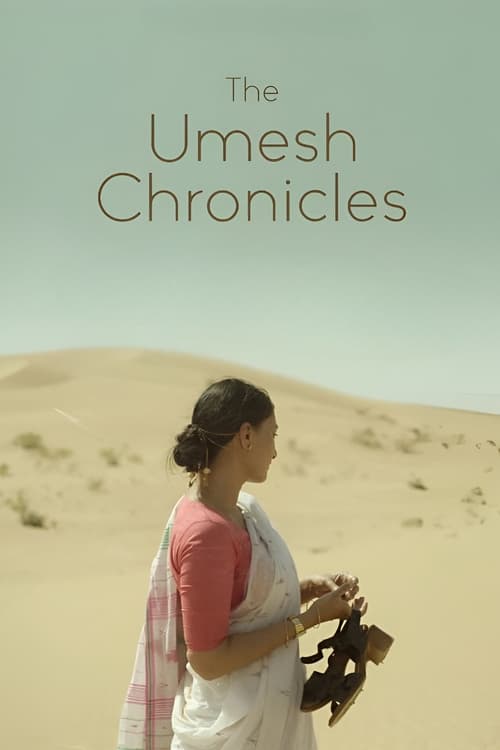



Collaboration Network
The Constellation
Top 5 most-paired collaborators. Bubble size and line thickness reflect how many films they share with Sneha Khanwalkar.
Career Analytics
Genre Breakdown
Language Distribution
Films by Decade
Top Co-Actors
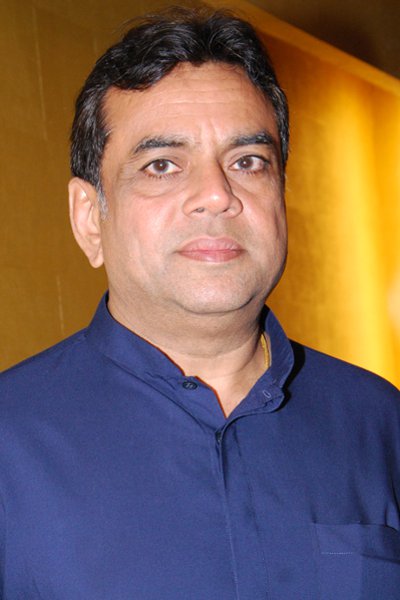
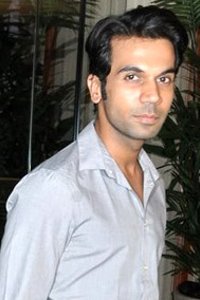
See all →Sneha Khanwalkar has worked most frequently with Dibakar Banerjee (2 films), Paresh Rawal (2 films), Rajkummar Rao (2 films), Kay Kay Menon (2 films), and Richa Chadda (2 films).


Did You Know?
Sneha Khanwalkar is an Indian music composer known for her work in Hindi films.
She gained recognition for her innovative use of regional sounds and folk music in her compositions.
She composed music for the critically acclaimed film 'Gangs of Wasseypur' (2012).
She won the Filmfare Award for Best Background Score for 'Gangs of Wasseypur'.
She created the popular song 'O Womaniya' from 'Gangs of Wasseypur', which blended folk elements with contemporary music.
Legacy & Influence
Sneha Khanwalkar is a pioneering music composer and sound designer in Indian cinema, celebrated for her innovative and eclectic approach to film music. Emerging prominently in the late 2000s, she carved a distinct niche by integrating diverse regional folk sounds and unconventional instrumentation into mainstream Hindi films, thereby challenging and expanding the sonic palette of Bollywood. Her breakthrough came with the critically acclaimed film 'Oye Lucky! Lucky Oye!' (2008), where her vibrant, genre-blending score established her as a fresh, formidable talent. This was followed by her most iconic work in 'Gangs of Wasseypur' (2012), a two-part epic where her music became a narrative force in itself. Khanwalkar traveled extensively across India for the project, sourcing raw, authentic folk tunes from regions like Bihar and Uttar Pradesh, and collaborating with local, often non-professional, musicians. Tracks like 'Hunter' and 'Keh Ke Lunga' are testament to her ability to fuse grassroots musical traditions with contemporary cinematic energy, creating a sound that was both rooted and revolutionary. Her contribution extends beyond composition to meticulous sound design, where she treats ambient sounds and music as inseparable elements of storytelling. This methodology influenced a new generation of composers to prioritize authenticity and regional diversity. Although her filmography is selective, each project reflects a commitment to musical exploration, whether in the electronic-tinged score of 'Girl in the Box' or the atmospheric work in 'Manto'. By championing India's vast, often overlooked, folk heritage and demonstrating that commercially successful soundtracks can be intellectually rigorous and culturally specific, Sneha Khanwalkar has redefined the role of the music director in Indian cinema as a curator, ethnographer, and avant-garde artist.