Ashtar Sayed
Ashtar Sayed is an Indian director, best known for Tamil cinema. Ashtar Sayed began their career in 2017. With 30 credits to their name, Ashtar Sayed remains one of the most prolific and celebrated talents in the industry. An emerging voice in Tamil cinema, Ashtar Sayed is already attracting significant attention for their distinctive work.
Career Milestones
Film debut
View film →Highest rated: Maatr (5.2)
View film →Ashtar Sayed by the Numbers
If you watched every Ashtar Sayed film back-to-back, you'd be at it for roughly 2 hours.
Filmography
See all 30 credits →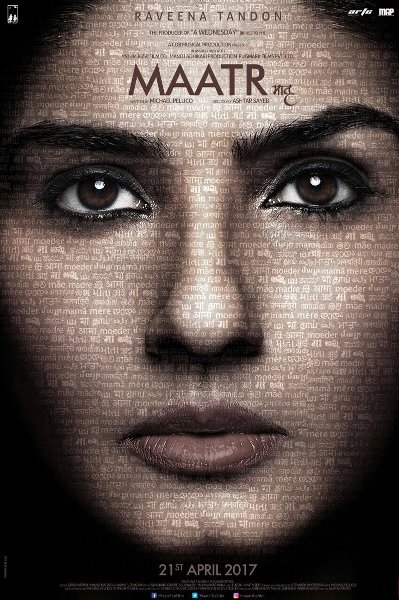
Career Analytics
Language Distribution
Films by Decade
Legacy & Influence
Ashtar Sayed is a cinematographer whose work has made a significant impact on the visual language of contemporary Indian cinema, particularly in Hindi and Marathi films. His career trajectory is defined by a strong artistic partnership with director Nagraj Manjule, for whom he served as the director of photography on the groundbreaking films 'Fandry' (2013) and 'Sairat' (2016). 'Fandry', a stark and poignant depiction of caste-based discrimination in rural Maharashtra, established Sayed's signature style: a raw, naturalistic aesthetic that uses available light and handheld camerawork to create an immersive, almost documentary-like intimacy. This visual approach was not merely technical but deeply empathetic, forcing the audience into the protagonist's subjective experience of social ostracization. His work on 'Sairat', India's highest-grossing Marathi film at the time, showcased his versatility. While maintaining a gritty realism in the first half set in a village, the film's latter portion, following the eloping couple to an urban environment, employed a different, more chaotic visual palette to reflect their dislocation and struggle. Sayed's cinematography in 'Sairat' was instrumental in its massive crossover success, proving that regional cinema with powerful, authentic storytelling and compelling visuals could achieve pan-Indian appeal. His contribution lies in moving away from the polished, studio-bound aesthetics dominant in much of mainstream cinema at the time, instead championing a form of visual realism that gives weight and authenticity to narratives centered on marginalized communities and social issues. By doing so, he helped redefine the cinematic portrayal of rural and small-town India for a new generation, influencing a wave of filmmakers and cinematographers to embrace more grounded and textured visual storytelling. His collaboration with Manjule is considered a landmark in Indian parallel cinema, creating works that are both critically acclaimed for their artistic merit and wildly popular for their emotional resonance.