Mohan Sharma
Mohan Sharma is an Indian actor, best known for Tamil cinema. Mohan Sharma began their career in 2001. With 30 credits to their name and an average audience rating of 6.5, Mohan Sharma remains one of the most prolific and celebrated talents in the industry. Spanning 20+ years, Mohan Sharma's career remains one of the longest and most celebrated in Tamil cinema.
Career Milestones
Breakthrough role that established him in South Indian cinema
Elected President of The South Indian Film Chamber of Commerce, led campaigns against piracy
Wrote, produced, directed, and starred in bilingual film Gramam, winning two National Film Awards and two Kerala State Film Awards
Mohan Sharma by the Numbers
If you watched every Mohan Sharma film back-to-back, you'd be at it for roughly 9 hours.
Filmography
See all 30 credits →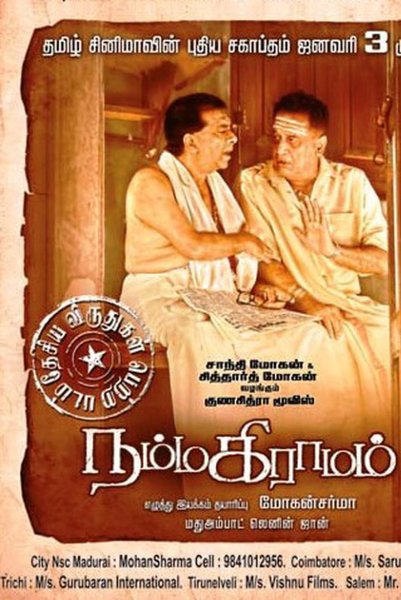
Career Analytics
Language Distribution
Films by Decade
Legacy & Influence
Mohan Sharma is a name that appears in the credits of several notable Indian films, primarily as a cinematographer. His most recognized and significant contribution to Indian cinema is his work as the Director of Photography for the 1993 cult classic and socio-political drama 'Kabhi Haan Kabhi Naa', directed by Kundan Shah. This film, starring Shah Rukh Khan in one of his most acclaimed early performances, is celebrated for its realistic portrayal of youthful aspirations, failure, and redemption, set against a Goan backdrop. Sharma's cinematography in the film is noted for its naturalistic and unpretentious visual style, which perfectly complemented the film's heartfelt narrative and grounded characters. His camera work avoided the gloss typical of mainstream Hindi cinema at the time, instead opting for a more intimate and relatable aesthetic that enhanced the film's emotional core and enduring charm. Beyond this landmark film, Mohan Sharma's career trajectory includes work on other projects such as 'Chamatkar' (1992) and 'Khamoshi: The Musical' (1996), where he served as an additional cinematographer, contributing to the visual fabric of these distinctive works. While not a prolific mainstream figure, his association with these critically appreciated films, particularly his defining work on 'Kabhi Haan Kabhi Naa', secures his place as a skilled technician who helped shape the visual language of a pivotal era in the 1990s. His contribution lies in demonstrating that effective cinematography in popular Indian cinema could prioritize authenticity and character-driven storytelling over sheer spectacle, thereby influencing a more naturalistic approach in certain strands of filmmaking.