Devashish Makhija
Devashish Makhija is an Indian director, best known for Tamil cinema. Devashish Makhija began their career in 2017. With 30 credits to their name and an average audience rating of 6.5, Devashish Makhija remains one of the most prolific and celebrated talents in the industry. An emerging voice in Tamil cinema, Devashish Makhija is already attracting significant attention for their distinctive work.
Career Milestones
Film debut
View film →Highest rated: Ajji (6.5)
View film →Devashish Makhija by the Numbers
If you watched every Devashish Makhija film back-to-back, you'd be at it for roughly 4 hours.
Filmography
See all 30 credits →
Career Analytics
Genre Breakdown
Language Distribution
Films by Decade
Legacy & Influence
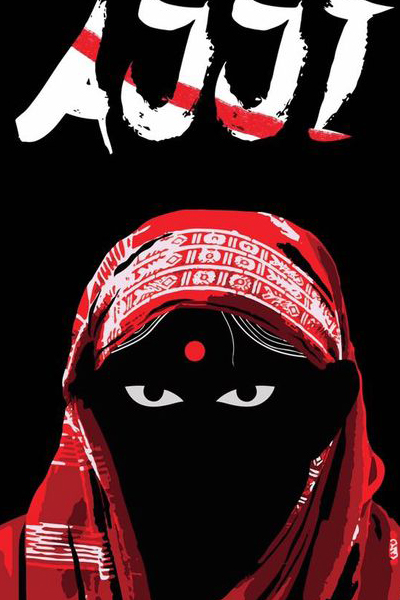
Devashish Makhija is a significant contemporary voice in Indian independent cinema, known for his gritty, socially conscious storytelling that often explores the lives of marginalized individuals and communities. His career trajectory is marked by a deliberate move away from mainstream conventions, establishing him as a filmmaker committed to a distinct, often unsettling, aesthetic. Makhija first gained wider recognition as a writer and director of short films, with 'Taandav' (2016) and 'Cycle' (2016) receiving critical acclaim for their sharp political commentary and raw narrative power. His feature film debut, 'Ajji' (2017), a dark retelling of the Red Riding Hood fable set in a Mumbai slum, was a bold statement. It confronted themes of sexual violence and vigilante justice with unflinching realism, polarizing audiences but firmly placing him on the map as a filmmaker unafraid of difficult subjects. He followed this with 'Bhonsle' (2018), a poignant drama about an aging, retired Mumbai policeman and his fraught relationship with migrant communities. The film, which won the Best Film award in the Asia Pacific competition at the Busan International Film Festival, is considered his most accomplished work, lauded for its quiet intensity and profound commentary on xenophobia, loneliness, and belonging. Makhija's contribution lies in his ability to weave complex socio-political critiques into compelling human dramas, often using minimalist dialogue and a stark visual style. His films serve as powerful indictments of systemic failure and celebrate the resilience of the oppressed. By operating primarily within the indie and festival circuits, he has helped expand the boundaries of narrative and subject matter in Indian cinema, influencing a new wave of filmmakers to pursue personal, politically engaged stories outside the commercial mainstream. His work ensures that the cinematic landscape continues to include vital, challenging perspectives often absent from larger productions.