Ramana Kanuri
Ramana Kanuri is an Indian composer, best known for Tamil cinema. Ramana Kanuri began their career in 2017. With 30 credits to their name, Ramana Kanuri remains one of the most prolific and celebrated talents in the industry. An emerging voice in Tamil cinema, Ramana Kanuri is already attracting significant attention for their distinctive work.
Career Milestones
Film debut
View film →Ramana Kanuri by the Numbers
If you watched every Ramana Kanuri film back-to-back, you'd be at it for roughly 2 hours.
Filmography
See all 30 credits →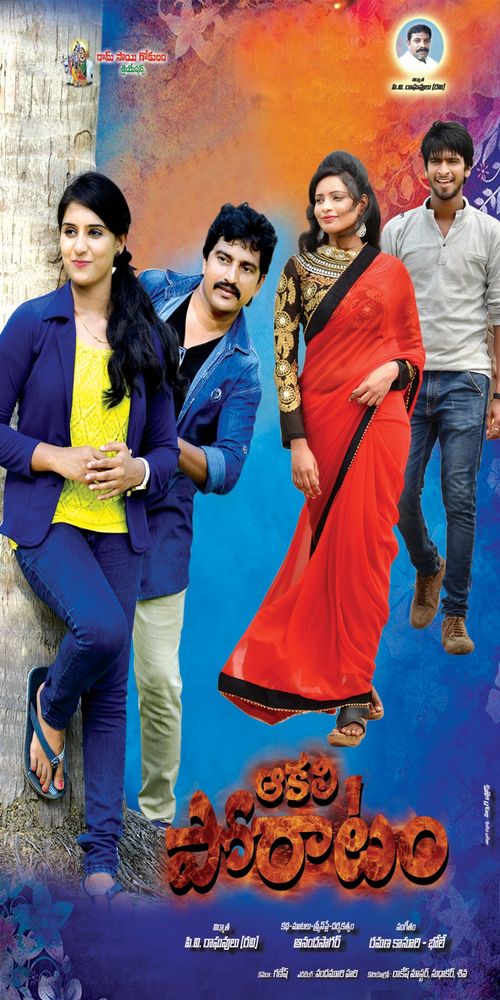
Career Analytics
Language Distribution
Films by Decade
Legacy & Influence
Ramana Kanuri is a notable figure in the Telugu film industry, primarily recognized for his work as a screenwriter and dialogue writer. His career trajectory is marked by a significant contribution to the evolution of commercial Telugu cinema in the late 1990s and 2000s, particularly through his collaborations with director V.V. Vinayak. Kanuri's writing is characterized by its mass appeal, sharp dialogue, and a strong grasp of the rural and factionist backdrop that defined a popular genre of the time. His most prominent and influential work is the screenplay and dialogues for the 2002 blockbuster 'Chennakesava Reddy,' starring Pawan Kalyan. The film was a major commercial success and is considered a landmark in the faction film genre. Kanuri's dialogues in the film, known for their punch and rhythmic delivery, became deeply embedded in popular culture and are frequently quoted. This success established him as a writer capable of crafting powerful, dialogue-driven narratives that resonated widely with audiences. He further solidified this reputation with subsequent successful collaborations on films like 'Dil' (2003) and 'Lakshmi' (2006). His writing often empowered the protagonist with memorable lines that heightened the heroic image, a key component of the Telugu commercial cinema template of that era. While his output decreased in later years, the impact of his key works remains. Ramana Kanuri's legacy lies in his role as a craftsman of mass dialogue, helping to shape the voice and swagger of the Telugu action hero during a specific, influential period. His work contributed to the commercial vocabulary of the industry and demonstrated the critical importance of impactful dialogue writing in driving a film's connection with its core audience.