Gayathri Krishnaa
Gayathri Krishnaa is an Indian actor, best known for Tamil cinema. Gayathri Krishnaa began their career in 2018. With 30 credits to their name and an average audience rating of 7.8, Gayathri Krishnaa remains one of the most prolific and celebrated talents in the industry. An emerging voice in Tamil cinema, Gayathri Krishnaa is already attracting significant attention for their distinctive work.
Career Milestones
Film debut
View film →Highest rated: Merku Thodarchi Malai (7.8)
View film →Gayathri Krishnaa by the Numbers
If you watched every Gayathri Krishnaa film back-to-back, you'd be at it for roughly 2 hours.
Filmography
See all 30 credits →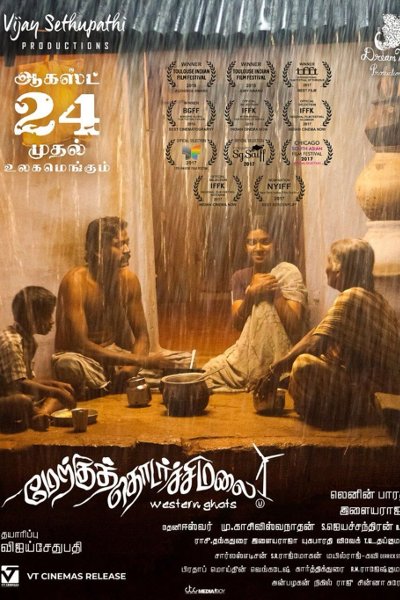
Career Analytics
Genre Breakdown
Language Distribution
Films by Decade
Legacy & Influence
Gayathri Krishnaa is a notable figure in contemporary Tamil cinema, primarily recognized for her significant contribution as a producer. Her career trajectory is defined by a commitment to supporting meaningful, content-driven cinema that often explores social realities and regional narratives. Her most prominent work to date is producing the critically acclaimed film 'Merku Thodarchi Malai' (2018), directed by Lenin Bharathi. This film is a landmark in her career and exemplifies her influence. 'Merku Thodarchi Malai' is a stark, realistic portrayal of the lives of landless laborers in the Western Ghats, celebrated for its authentic storytelling, minimalistic approach, and powerful social commentary. By backing such a project, Gayathri Krishnaa demonstrated a willingness to invest in cinema that prioritizes artistic integrity and societal reflection over commercial formulas. The film's success, including strong critical reception and a respectable rating, helped bring attention to grassroots stories and marginalized communities within the mainstream cinematic discourse. Her role as a producer in this venture marks her as a key enabler of auteur-driven cinema in the Tamil film industry. While her filmography appears selective, the impact of 'Merku Thodarchi Malai' solidifies her legacy as a producer who champions films with substance. Her contribution lies in providing a platform for directorial voices that seek to document and critique socio-economic conditions, thereby enriching the diversity of Indian cinema. She represents a growing segment of producers in Indian cinema who are instrumental in facilitating independent and regional storytelling that might otherwise struggle to find funding within traditional studio systems.