Shashanka Ghosh
Shashanka Ghosh is an Indian director, best known for Tamil cinema. Shashanka Ghosh began their career in 2003. With 30 credits to their name and an average audience rating of 6.3, Shashanka Ghosh remains one of the most prolific and celebrated talents in the industry. Spanning 20+ years, Shashanka Ghosh's career remains one of the longest and most celebrated in Tamil cinema.
Biography
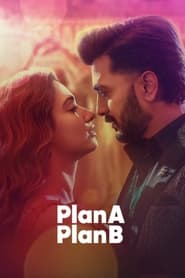
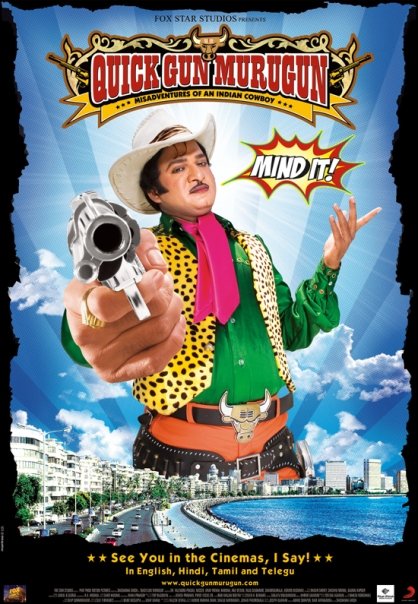
Shashanka Ghosh is an Indian filmmaker and writer working in Hindi cinema, best known for directing commercially successful films such as Khoobsurat (2014), Veere Di Wedding (2018), and Freddy (2022). He made his directorial debut with Waisa Bhi Hota Hai Part II (2003), and went on to direct Quick Gun Murugun (2009), a satirical comedy originally created for the Channel V television launch, and What the Fish (2013). Ghosh began his career in the media industry as a creative force behind the India launches of MTV and Channel V, and his filmmaking style reflects a background in youth-oriented, pop-culture-driven storytelling. His recent work includes Plan A Plan B (2022), continuing his track record of directing light-hearted, commercially accessible Hindi films.
Career Milestones
Directorial film debut
View film →Directed cult satirical comedy Quick Gun Murugan
Directed Khoobsurat, a mainstream Bollywood remake that became a commercial success and launched Fawad Khan in Bollywood
Directed Veere Di Wedding, a milestone female-led ensemble comedy
View film →Directed Freddy starring Kartik Aaryan
View film →Defining Moments
Quick Gun Murugun's kitschy Tamil-Western spoof aesthetic — over-the-top action parody with idli-sambar obsession as a recurring comic motif
Screened at the London Film Festival; developed a cult following for its fearless, genre-bending humour and is considered one of Ghosh's most creatively distinctive works
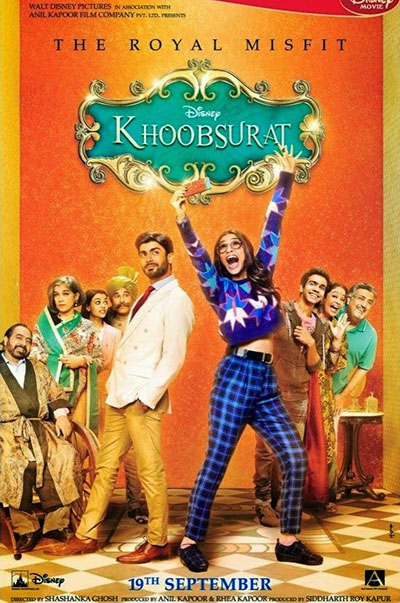
Sonam Kapoor's bubbly physiotherapist Dr. Milli clashing with Fawad Khan's stoic royal Vikram in a conservative Rajput household — the central fish-out-of-water comic setup
Ghosh revitalised the 1980 Hrishikesh Mukherjee classic with a modern, effervescent tone; the Sonam–Fawad pairing became one of the most beloved rom-com pairings of the 2010s
Swara Bhaskar's masturbation scene — a frank, unapologetic portrayal of female sexuality that broke Bollywood taboos and sparked nationwide debate
The most talked-about scene of 2018 Bollywood; polarised audiences but was widely praised as a landmark moment for authentic female representation in mainstream Hindi cinema
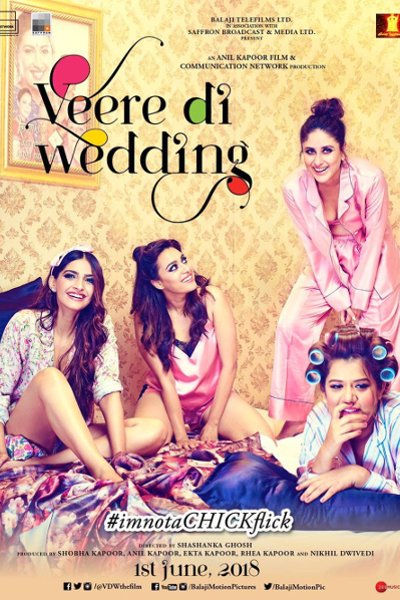
View film →The four female leads (Kareena, Sonam, Swara, Shikha) reuniting and navigating friendship, marriage pressures, and personal freedom — the ensemble chemistry that anchors the entire film
Ghosh's direction of an all-female lead ensemble in a mainstream Bollywood film was groundbreaking; critics consistently cited the group dynamic as the film's greatest strength
View film →The 'Tareefan' and 'Laaj Sharam' song sequences — choreographed as unfiltered celebrations of female friendship and liberation
The musical sequences became chart-toppers and cultural touchstones, reinforcing Ghosh's signature ability to blend mainstream entertainment with progressive themes
View film →Shashanka Ghosh by the Numbers
If you watched every Shashanka Ghosh film back-to-back, you'd be at it for roughly 18 hours. Most-paired with Nassar — 2 films together.
Filmography
See all 30 credits →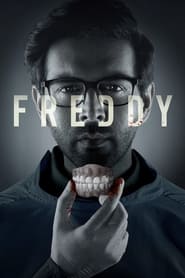
Collaboration Network
The Constellation
Top 4 most-paired collaborators. Bubble size and line thickness reflect how many films they share with Shashanka Ghosh.
Career Analytics
Genre Breakdown
Language Distribution
Films by Decade
Top Co-Actors
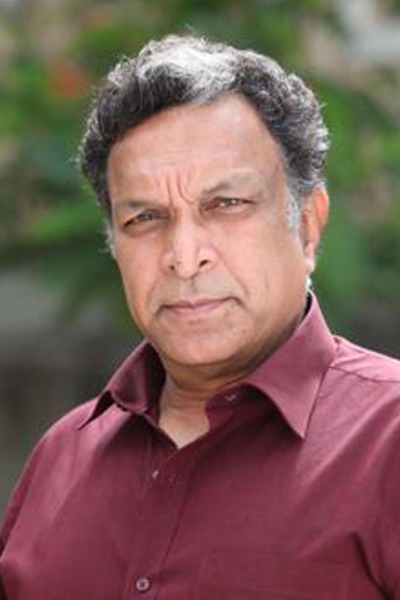
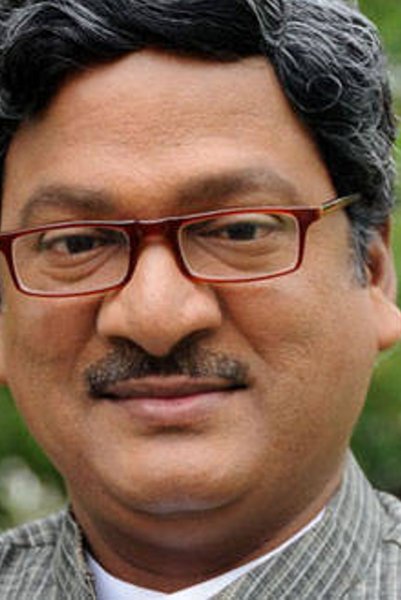
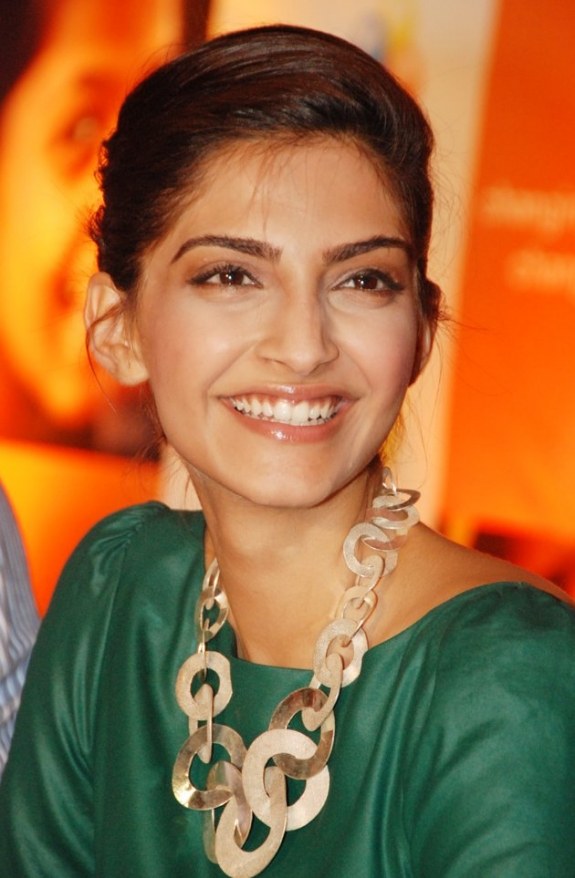
See all →Shashanka Ghosh has worked most frequently with Nassar (2 films), Rajendra Prasad (2 films), Sonam Kapoor (2 films), and Sandhya Mridul (2 films).

Legacy & Influence
Shashanka Ghosh is a significant figure in contemporary Indian cinema, recognized for his distinctive contributions that bridge mainstream commercial filmmaking with alternative narrative sensibilities. His career trajectory began not in film but in advertising, where he honed his skills in visual storytelling and concise communication. This background profoundly influenced his cinematic style, evident in the sharp editing, stylized visuals, and impactful pacing of his films. Ghosh made his directorial debut with the 2006 film 'Waisa Bhi Hota Hai Part II,' but it was his 2013 film 'Queen' that cemented his place in the industry. Although he was replaced as director early in the production, his initial vision and work on the script and casting of Kangana Ranaut in the lead role were instrumental in setting the film's foundational tone, which went on to become a critical and commercial landmark. Ghosh's most defining contribution is arguably pioneering the urban, youth-centric romantic comedy in Hindi cinema with 'Waisa Bhi Hota Hai Part II' and, more successfully, with 'Quick Gun Murugun' (2009) and 'Khoobsurat' (2014). He demonstrated a unique ability to craft light-hearted, visually vibrant entertainers centered on modern, metropolitan characters and dilemmas, a sub-genre that was relatively nascent at the time. His work often features strong, idiosyncratic female protagonists, as seen in 'Veere Di Wedding' (2018), which he co-directed. The film was a bold, commercial exploration of contemporary female friendship and agency, becoming a major box office success and sparking widespread conversation. While his filmography is selective, his influence lies in expanding the palette of mainstream Hindi cinema, proving the viability of glossy, character-driven comedies set in a recognizably modern India. He moved away from traditional melodrama, instead employing a cooler, more design-oriented aesthetic and dialogue-driven humor that appealed to a new generation of viewers. His career represents a path for directors transitioning from advertising and creating content that is both commercially savvy and stylistically distinct.