Bunty Nagi
Bunty Nagi is an Indian editor, best known for Tamil cinema. Bunty Nagi began their career in 2018. With 30 credits to their name and an average audience rating of 6.7, Bunty Nagi remains one of the most prolific and celebrated talents in the industry. An emerging voice in Tamil cinema, Bunty Nagi is already attracting significant attention for their distinctive work.
Career Milestones
Film debut
View film →Highest rated: Simmba (6.7)
View film →Bunty Nagi by the Numbers
If you watched every Bunty Nagi film back-to-back, you'd be at it for roughly 2 hours.
Filmography
See all 30 credits →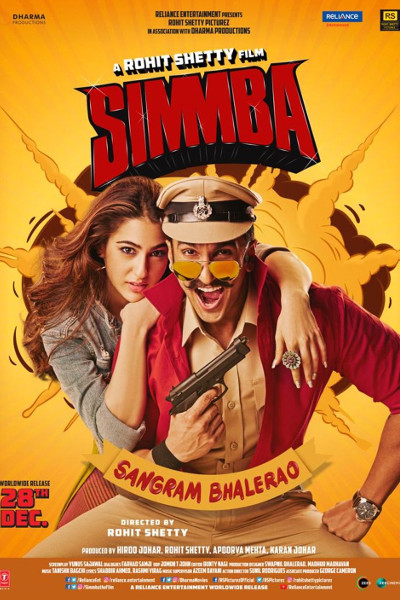
Career Analytics
Genre Breakdown
Language Distribution
Films by Decade
Legacy & Influence
Bunty Nagi is a respected and influential figure in Indian cinema, primarily known for his long and distinguished career as a film editor. His work, characterized by precision, rhythm, and a deep understanding of narrative pacing, has significantly shaped the final form of numerous landmark films. Nagi's career trajectory saw him become a trusted collaborator for some of the industry's most prominent directors, most notably Sanjay Leela Bhansali. His editorial contributions are integral to the sweeping emotional arcs and visual grandeur of Bhansali's films. Key works in their collaboration include "Devdas" (2002), "Black" (2005), "Saawariya" (2007), "Goliyon Ki Raasleela Ram-Leela" (2013), and "Bajirao Mastani" (2015). His editing in these films is not merely technical but artistic, helping to sculpt performances, control dramatic tension, and enhance the musical sequences that are central to the Bollywood experience. Beyond Bhansali, Nagi has worked on a diverse range of successful projects, including "Dabangg" (2010), "Bodyguard" (2011), and "Kick" (2014), demonstrating remarkable versatility across genres from intense drama to mass-market action entertainers. His ability to adapt his style to serve the director's vision, whether in a period epic or a contemporary potboiler, underscores his professional mastery. Bunty Nagi's primary contribution lies in elevating the craft of editing within the mainstream Hindi film industry. He represents a generation of editors whose work is foundational to a film's commercial and critical success, operating with a skill that often goes unnoticed by the general audience but is deeply appreciated within filmmaking circles. His body of work stands as a testament to the critical role of editing in cinematic storytelling, influencing both peers and aspiring technicians in the field.