K. Krishna Kumar
K. Krishna Kumar is an Indian original music composer, best known for Tamil cinema. K. Krishna Kumar began their career in 2019. With 30 credits to their name and an average audience rating of 7.3, K. Krishna Kumar remains one of the most prolific and celebrated talents in the industry. K. Krishna Kumar is one of the most closely watched talents of their generation, with a rapidly growing body of acclaimed work.
Career Milestones
Film debut
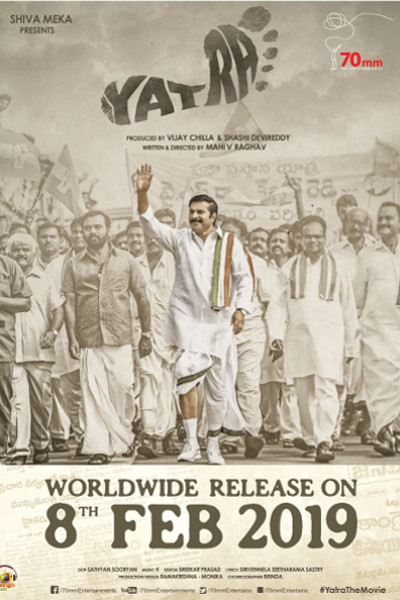
View film →Highest rated: Yatra (7.5)
View film →K. Krishna Kumar by the Numbers
If you watched every K. Krishna Kumar film back-to-back, you'd be at it for roughly 7 hours.
Filmography
See all 30 credits →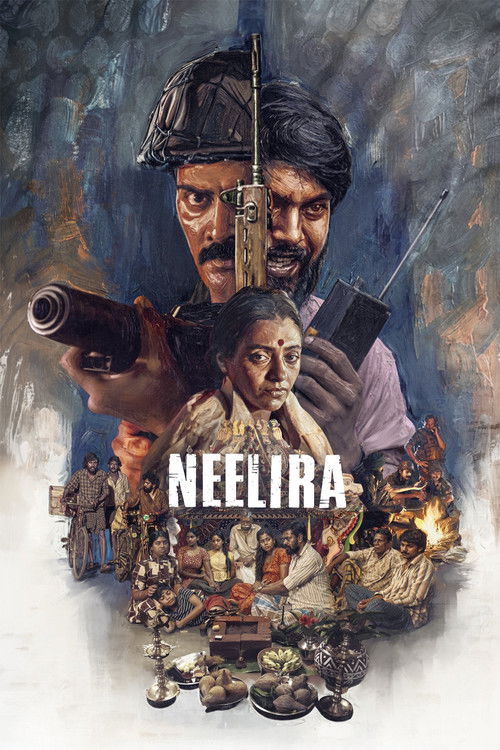
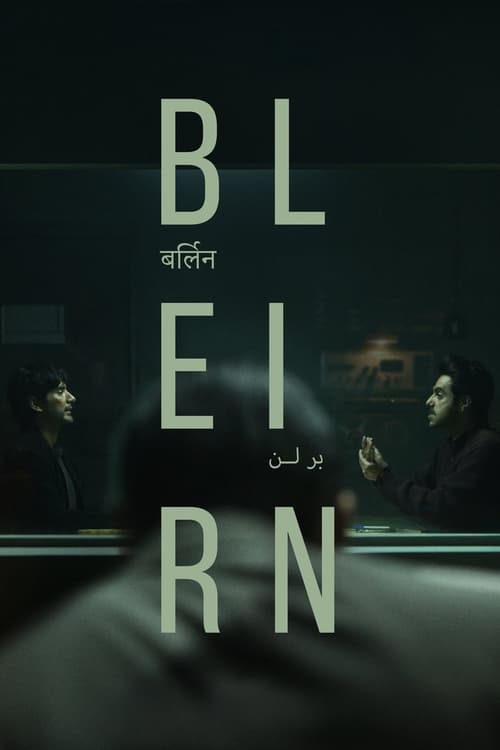
Career Analytics
Genre Breakdown
Language Distribution
Films by Decade
Legacy & Influence
K. Krishna Kumar is a significant figure in the South Indian film industry, primarily recognized as a prolific film producer and distributor. His career is most closely associated with the Malayalam cinema of the 1980s and 1990s, a period considered a golden age for the industry. As the founder and head of the production and distribution company K. K. Films, he played a crucial role in financing and bringing to the screen many landmark films that defined the era's artistic and narrative sophistication. His filmography is notable for collaborating with some of Malayalam cinema's most celebrated auteurs, including Bharathan, Padmarajan, and Sathyan Anthikad. Through these collaborations, Kumar backed films that were critically acclaimed for their strong scripts, realistic portrayals of middle-class life, and nuanced social commentary, moving away from formulaic commercial cinema. Key productions from his banner, such as 'Kattathe Kilikkoodu' (1983), 'Oru Minnaminunginte Nurunguvettam' (1987), and 'Thoovanathumbikal' (1987), are enduring classics that continue to be celebrated for their depth and craftsmanship. His contribution lies in his role as a visionary producer who provided a platform for directors to execute their unique visions without excessive commercial compromise, thereby elevating the artistic standard of Malayalam cinema. By distributing these films effectively, he also ensured they reached a wide audience. While less active in production in later decades, his work in the 80s and 90s established a production model that valued content-driven cinema, influencing subsequent producers in the industry. His legacy is that of a key enabler and patron of a transformative period in Malayalam film history.