Harinath Babu B
Harinath Babu B is an Indian director, best known for Tamil cinema. Harinath Babu B began their career in 2019. With 30 credits to their name, Harinath Babu B remains one of the most prolific and celebrated talents in the industry. An emerging voice in Tamil cinema, Harinath Babu B is already attracting significant attention for their distinctive work.
Career Milestones
Film debut
View film →Harinath Babu B by the Numbers
If you watched every Harinath Babu B film back-to-back, you'd be at it for roughly 2 hours.
Filmography
See all 30 credits →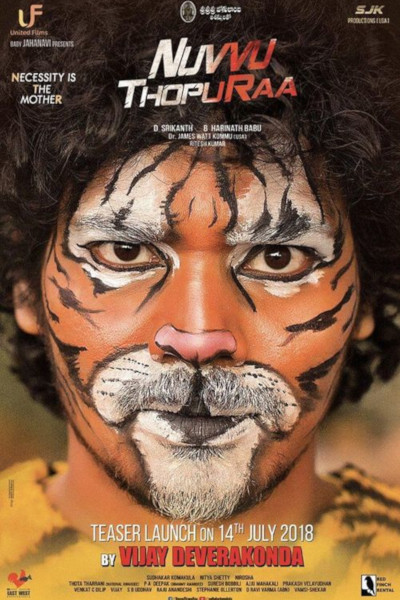
Career Analytics
Language Distribution
Films by Decade
Legacy & Influence
Harinath Babu B is a cinematographer in the Telugu film industry whose career trajectory demonstrates a steady progression through technical roles to becoming a director of photography. His contribution to Indian cinema lies primarily in his work as a cinematographer across several Telugu films in the 2000s and 2010s. He began his career working in the camera department on notable films like 'Aithe' (2003) and 'Anand' (2004), learning the craft under established cinematographers. This foundational period provided him with essential technical expertise in lighting and camera operation within the Telugu film production system. His major break as a cinematographer came with the film 'Gamyam' (2008), where his work in capturing the rural landscapes and intimate character moments received attention. He followed this with cinematography for films such as 'Leader' (2010) and 'Golconda High School' (2011), showcasing an ability to handle diverse genres from political drama to nostalgic campus narratives. His visual style in these films often employed naturalistic lighting and composed frames that served the story's emotional core. While not among the most prolific or award-decorated cinematographers of his generation, Harinath Babu B's career represents the vital role of skilled technicians who form the backbone of regional cinema. His journey from camera assistant to cinematographer illustrates a traditional career path within the industry's technical departments. His body of work contributed to the visual language of Telugu cinema during a period of transition, bridging earlier stylistic approaches and newer digital techniques. The specific aesthetic impact of his cinematography remains tied to the directors and projects he collaborated with, making him a reliable craftsman whose work supported the narrative ambitions of the films he shot.