Ramatulasi
Ramatulasi is an Indian cinematographer, best known for Tamil cinema. Ramatulasi began their career in 2019. With 30 credits to their name, Ramatulasi remains one of the most prolific and celebrated talents in the industry. An emerging voice in Tamil cinema, Ramatulasi is already attracting significant attention for their distinctive work.
Career Milestones
Film debut
View film →Ramatulasi by the Numbers
If you watched every Ramatulasi film back-to-back, you'd be at it for roughly 2 hours.
Filmography
See all 30 credits →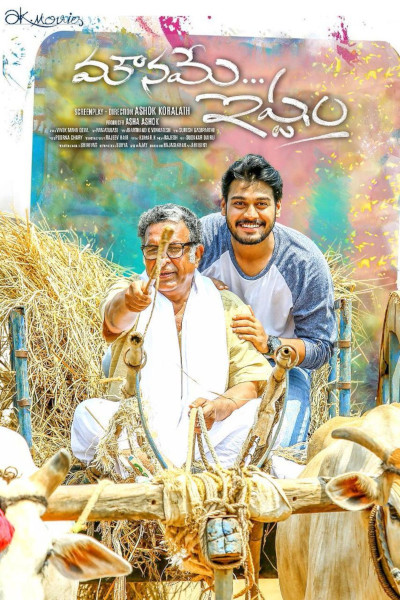
Career Analytics
Language Distribution
Films by Decade
Legacy & Influence
Ramatulasi is a revered figure in Indian cinema, particularly within the Telugu film industry, recognized as a pioneering and prolific dialogue writer. His career trajectory is defined by a long and impactful collaboration with legendary director K. Viswanath, contributing to some of the most critically acclaimed and culturally significant films in Telugu history. Ramatulasi's primary contribution lies in his mastery of language and his ability to craft dialogues that were not only poetic and deeply rooted in Telugu literary traditions but also accessible and resonant with a broad audience. His work was instrumental in elevating the narrative depth of Telugu cinema, moving beyond mere entertainment to explore social themes, human values, and classical arts. He played a key role in the success of iconic films such as 'Sankarabharanam' (1979), 'Sagara Sangamam' (1983), 'Swathi Muthyam' (1986), and 'Srirastu Subhamastu' (1996). His dialogues in these films are celebrated for their philosophical weight, emotional authenticity, and lyrical quality, often becoming inseparable from the films' identities. His partnership with Viswanath defined an era of meaningful, content-driven cinema that balanced artistic integrity with popular appeal. Ramatulasi's writing consistently championed Telugu culture, language, and classical music, educating and inspiring audiences. His legacy is that of a wordsmith who used the medium of popular cinema to preserve and propagate linguistic heritage and profound humanist ideals, influencing generations of writers and setting a high benchmark for literary excellence in film dialogues.