Vastav
Vastav is an Indian director, best known for Tamil cinema. Vastav began their career in 2019. With 30 credits to their name and an average audience rating of 6.0, Vastav remains one of the most prolific and celebrated talents in the industry. An emerging voice in Tamil cinema, Vastav is already attracting significant attention for their distinctive work.
Career Milestones
Film debut
View film →Highest rated: Special - The Story of a Mind Reader (6.0)
View film →Vastav by the Numbers
If you watched every Vastav film back-to-back, you'd be at it for roughly 2 hours.
Filmography
See all 30 credits →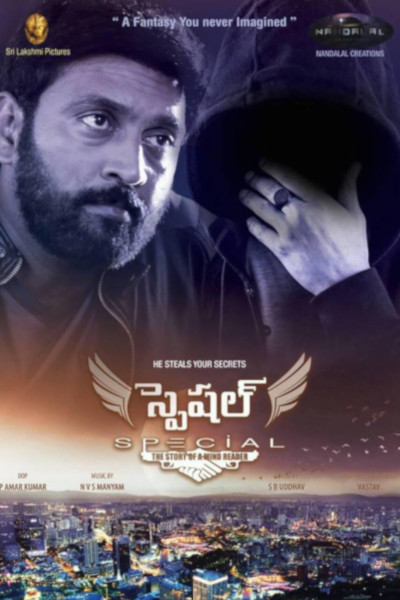
Career Analytics
Language Distribution
Films by Decade
Legacy & Influence
Vastav is a significant film in Indian cinema, specifically within the Marathi film industry, released in 1999. Directed by Mahesh Manjrekar, the film is a landmark in the gangster drama genre and is widely regarded as a career-defining work for actor Sanjay Dutt, who played the lead role of Raghu. The film's primary contribution lies in its raw, gritty, and realistic portrayal of the Mumbai underworld, moving away from the stylized glamour often associated with the genre in mainstream Hindi cinema at the time. Its narrative focused on the psychological descent of an ordinary man into a life of crime, driven by circumstance and a quest for respect, which resonated deeply with audiences. The film's success demonstrated the commercial viability of hard-hitting, character-driven stories in the regional and national markets. It bolstered the career of director Mahesh Manjrekar, establishing him as a filmmaker unafraid of exploring dark, complex themes. Furthermore, Vastav is credited with revitalizing Sanjay Dutt's career, earning him critical acclaim for one of his most intense and authentic performances. The film's dialogue, particularly the line "Mumbai ka king kaun? ... Bhai!" became culturally iconic, cementing the character's place in pop culture. Its influence can be seen in subsequent films that adopted a more realistic and violent aesthetic in depicting gangster lives. While the film itself is a title, its legacy is intrinsically tied to the artistic achievements of its director and lead actor, marking a pivotal moment in the evolution of Indian crime cinema in the late 1990s.