A. N. Rajagopal
A. N. Rajagopal is an Indian director, best known for Tamil cinema. A. N. Rajagopal began their career in 2005. With 30 credits to their name, A. N. Rajagopal remains one of the most prolific and celebrated talents in the industry. An emerging voice in Tamil cinema, A. N. Rajagopal is already attracting significant attention for their distinctive work.
A. N. Rajagopal by the Numbers
If you watched every A. N. Rajagopal film back-to-back, you'd be at it for roughly 2 hours.
Filmography
See all 30 credits →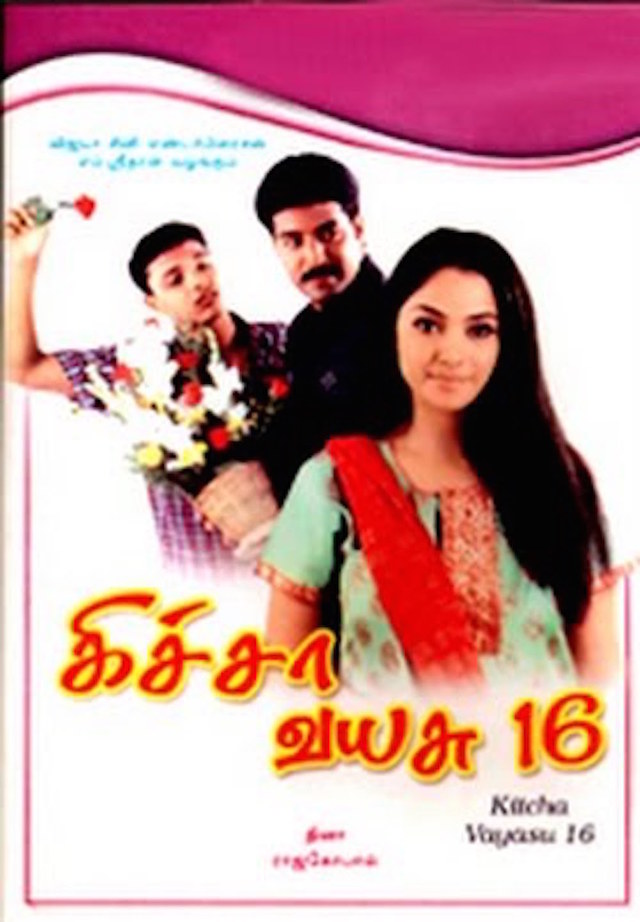
Career Analytics
Language Distribution
Films by Decade
Legacy & Influence
A. N. Rajagopal was a pioneering figure in the early decades of South Indian cinema, primarily active as a film director and producer during the 1930s and 1940s. His career trajectory is significant for his work in bridging the nascent Tamil and Telugu film industries, contributing to their foundational years. Rajagopal is most notably recognized for directing and producing the landmark Tamil film "Bhakta Ramadasu" (1935), a pioneering devotional biographical film about the saint-composer Kancherla Gopanna. This film is historically important as one of the earliest sound films in Tamil cinema and featured the legendary stage actor C. S. R. Anjaneyulu in his film debut. The film's success demonstrated the commercial and cultural viability of the saint film genre, influencing a wave of subsequent biographical and mythological productions in South India. His other notable directorial work includes "Bhakta Cheta" (1940). Rajagopal also ventured into production, establishing a production company that supported several early projects. His contributions lie in his role as an early adapter, helping to solidify the narrative and technical conventions of South Indian talkies during a formative period. By producing and directing films that catered to regional devotional sentiments with emerging sound technology, he played a part in defining the early market and artistic direction of the Tamil film industry. While specific details of his later career are less documented, his early work remains a point of reference in histories of South Indian cinema for its timing, genre choice, and role in launching major talents.