Rafi Mecartin
Rafi Mecartin is an Indian director, best known for Tamil cinema. Rafi Mecartin began their career in 2002. With 30 credits to their name, Rafi Mecartin remains one of the most prolific and celebrated talents in the industry. An emerging voice in Tamil cinema, Rafi Mecartin is already attracting significant attention for their distinctive work.
Biography
Rafi–Mecartin is a Malayalam cinema director-screenwriter duo comprising Mohammed Raffi (Rafi) and Mecartin, known primarily for comedy films in Malayalam and Tamil cinema. They directed the original Malayalam film Thenkasipattanam (2000) and were retained to direct its Tamil remake Thenkasi Pattanam (2002), starring Sarath Kumar, Napoleon, and Vivek, with music by Suresh Peters. Rafi, nephew of director Siddique of the Siddique-Lal duo, began his career as an assistant director under that pair from 1990 to 1994 before forming his own duo with Mecartin in 1992. Their filmography includes Punjabi House (1998) and Pandippada (2005), and the duo worked together for approximately 20 years before separating around 2012.
Career Milestones
Directorial debut as part of Rafi-Mecartin duo with script for Mr & Mrs
Breakthrough with Punjabi House, a major Malayalam blockbuster later remade in other languages
Directed Thenkasipattanam, one of the highest-grossing Malayalam films of the year
Directed Tamil remake of Thenkasipattanam
View film →Solo directorial debut after duo separation with Ring Master
Rafi Mecartin by the Numbers
If you watched every Rafi Mecartin film back-to-back, you'd be at it for roughly 2 hours.
Filmography
See all 30 credits →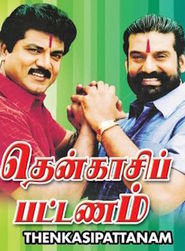
Career Analytics
Language Distribution
Films by Decade
Legacy & Influence
Rafi Mecartin is a prominent Indian film director and screenwriter, primarily working in Malayalam cinema. He is best known as one half of the acclaimed directorial duo Rafi-Mecartin, alongside his partner Mecartin. Their partnership, which began in the late 1990s, marked a significant shift in the industry by successfully blending commercial entertainment with sharp social commentary and innovative narrative styles. They are credited with revitalizing the comedy genre in Malayalam cinema during a period often considered a low phase, bringing a fresh, urban sensibility and fast-paced, dialogue-driven scripts that resonated strongly with family audiences and youth. Their films frequently featured ensemble casts and tackled contemporary social issues with a light-hearted yet perceptive touch, breaking conventional storytelling molds. Key films like 'Punjabi House' (1998), 'Thenkasipattanam' (2000), and 'Ustad' (2012) became major commercial successes and cultural talking points, influencing a generation of filmmakers in crafting mainstream comedies with substance. Their work demonstrated that commercially viable cinema could also be intelligent and reflective of societal changes. The duo's consistent box-office performance helped stabilize the industry and provided platforms for both established and emerging actors. While their output slowed in later years, their filmography from the late 1990s through the 2000s remains a definitive chapter in Malayalam film history, celebrated for its energy, wit, and ability to capture the evolving aspirations of Kerala's middle class. Their contribution lies in redefining the commercial film template, proving that mass appeal and creative screenwriting are not mutually exclusive.