Ravi Kumar
Ravi Kumar is an Indian actor, best known for Tamil cinema. Ravi Kumar began their career in 1981. With 30 credits to their name and an average audience rating of 6.5, Ravi Kumar remains one of the most prolific and celebrated talents in the industry. Spanning 40+ years, Ravi Kumar's career remains one of the longest and most celebrated in Tamil cinema.
Ravi Kumar by the Numbers
If you watched every Ravi Kumar film back-to-back, you'd be at it for roughly 4 hours.
Filmography
See all 30 credits →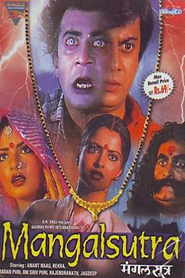
Career Analytics
Language Distribution
Films by Decade
Legacy & Influence
Ravi Kumar is a significant figure in Indian cinema, primarily recognized for his work as a director and producer, with a career spanning several decades from the 1970s onwards. His most notable and enduring contribution is his pioneering role in the development and popularization of the Indian horror film genre during its formative years. Kumar is best known for directing the cult classic 'Purana Mandir' (1984), a landmark film produced under the Ramsay Brothers banner that became a defining template for Indian horror. The film's success, with its iconic monster character 'Saamri' and its blend of folklore, music, and suspense, established a commercially viable formula that influenced a wave of subsequent horror productions throughout the 1980s and 1990s. His filmography from this period, including titles like 'Saamri' (1985) and 'Bandh Darwaza' (1990), is characterized by a distinct visual style and narrative structure that catered to a mass audience, helping to cement horror as a staple in B and C circuit cinema. While often working within the collaborative framework of the Ramsay family enterprise, Ravi Kumar's directorial efforts were instrumental in moving the genre beyond mere B-movie status, giving it a recognizable identity and a dedicated viewership. His work provided a crucial bridge between the earlier gothic influences and the more technologically advanced horror films of later decades. The longevity of his films in television reruns and home video formats underscores their lasting cultural resonance. Although not frequently discussed in mainstream critical discourse, his contribution lies in successfully crafting and sustaining a specific sub-genre of Indian popular cinema, influencing both filmmakers and audience expectations for horror narratives rooted in Indian superstition and mythos for generations.