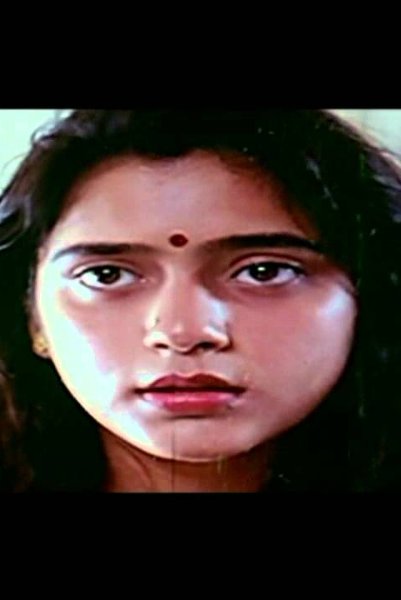
Jeevitha Sharma
Jeevitha Sharma is an Indian actor, best known for Tamil cinema. Jeevitha Sharma began their career in 1998 and has been a prominent figure in the industry for over 28 years. With 30 credits to their name, Jeevitha Sharma remains one of the most prolific and celebrated talents in the industry. An emerging voice in Tamil cinema, Jeevitha Sharma is already attracting significant attention for their distinctive work.
- Born
- Age
- 45
Biography
Jividha Sharma (also credited as Jeevitha Sharma/Kavitha) is an Indian actress who debuted in Tamil cinema with Kaadhale Nimmadhi (1998), directed by Indhran and co-starring Suriya and Murali, after being discovered through a Kumudam magazine contest. She subsequently appeared in Subhash Ghai's Bollywood musical Taal (1999) and had a notable role in Yeh Dil Aashiqanaa (2002). Born on December 10, 1980 in New Delhi, she later transitioned to Punjabi cinema, appearing in commercially successful films like Yaar Annmulle (2011), demonstrating range across regional film industries.
Career Milestones
Film debut in Tamil romantic drama
View film →Supporting role in Subhash Ghai's blockbuster musical drama alongside Aishwarya Rai
Breakthrough role as lead actress in silver jubilee hit romantic action film
Debut in Punjabi cinema alongside Gurdas Maan
Jeevitha Sharma by the Numbers
If you watched every Jeevitha Sharma film back-to-back, you'd be at it for roughly 2 hours.
Filmography
See all 30 credits →Career Analytics
Language Distribution
Films by Decade
Legacy & Influence
Jeevitha Sharma is a multifaceted figure in South Indian cinema, primarily known for her work in Telugu and Tamil films. Her career trajectory began as an actress in the late 1990s and early 2000s, where she appeared in supporting and lead roles in films such as 'Preminchukundam Raa' (1997) and 'Snehamante Idera' (2001). Her on-screen presence was noted for its charm and versatility across genres. A significant pivot in her career came with her marriage to actor Rajasekhar, after which she transitioned increasingly behind the camera. Jeevitha emerged as a prominent film producer, establishing the production banner 'Shreya Productions'. Through this venture, she has been instrumental in producing several films starring her husband, including projects like 'Police Police' (2014) and 'Bangaru Bullodu' (2019), thereby shaping specific narrative vehicles within the industry. Her contribution extends beyond production into direction; she made her directorial debut with the Telugu film 'Kalisundam Raa' (2000), demonstrating early ambition in filmmaking. Furthermore, Jeevitha has been a vocal participant in the public discourse surrounding the Telugu film industry. She has served as the Vice President of the Movie Artistes' Association (MAA), engaging with industry governance and welfare issues. Her willingness to publicly address industry controversies and offer support during disputes has marked her as an active stakeholder. While not necessarily a mainstream icon, her sustained involvement across acting, production, direction, and association leadership represents a model of career evolution for women in regional cinema. She has maintained a consistent presence, navigating the industry's shifts from in front of the camera to influential roles behind it and within its organizational structures, contributing to its ecosystem in multiple capacities over decades.