R. D. Burman
R. D. Burman is an Indian composer, best known for Tamil cinema. R. D. Burman began their career in 1983 and has been a prominent figure in the industry for over 43 years. With 30 credits to their name, R. D. Burman remains one of the most prolific and celebrated talents in the industry. Spanning 40+ years, R. D. Burman's career remains one of the longest and most celebrated in Tamil cinema.
- Born
- Age
- 87
Biography
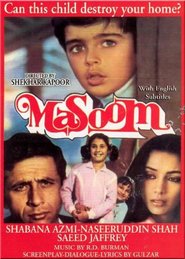
Rahul Dev Burman, popularly known as 'Pancham Da', was a legendary Hindi film music composer and singer who composed scores for over 331 films across Hindi, Tamil, and Telugu cinema, pioneering the fusion of Western pop, rock, and jazz with Indian classical music. He is best known for landmark scores including Masoom (1983), Mazdoor (1983), Sholay (1975), and Amar Akbar Anthony (1977), and his posthumously released album for 1942: A Love Story (1994) earned him the Filmfare Award for Best Music Director. He worked in close collaboration with lyricist Gulzar and singers Asha Bhosle (whom he married in 1980) and Kishore Kumar, creating a distinctive sound that defined the golden era of Hindi film music. He died on January 4, 1994, but his music continued to appear in films such as Ghatak (1996) and Behen Hogi Teri (2017), underscoring his enduring influence on Indian cinema.
Career Milestones
Debut as music composer
Breakthrough as composer, established signature style blending Western rock with Indian film music
Composed music for critically acclaimed drama, cementing reputation for melodic versatility
View film →Composed music for over 330 films across Hindi, Bengali, Tamil, and Telugu cinema over a three-decade career
Posthumous Filmfare Award for Best Music Director
Defining Moments
Composed 'Dum Maro Dum', a psychedelic, counter-culture anthem sung by Asha Bhosle that stayed at #1 on Binaca Geetmala for 12 consecutive weeks
Defined a generation's relationship with rock and youth rebellion in Indian music; one of the first Hindi film songs to openly engage with drug and hippie culture
Introduced the electric guitar, bongo, synthesizer, and unconventional percussion into mainstream Hindi film music with his energetic score, including 'Piya Tu Ab To Aaja' sung by Asha Bhosle
Marked a turning point in Bollywood music production; Burman's sonic experimentation permanently changed the vocabulary of Indian film scoring and inspired generations of composers
Composed and personally sang 'Mehbooba Mehbooba' — a seductive, disco-inflected number performed on screen by Helen — blending Middle Eastern melody with Western pop in a way never heard before in Hindi cinema
His only Filmfare nomination as a male playback singer; the song became a cultural touchstone of 1970s Bollywood and demonstrated his ability to fuse global sounds into mainstream Indian cinema
Delivered the heartbreakingly tender 'Tujhse Naraz Nahin Zindagi' and 'Do Naina Aur Ek Kahaani', a suite of emotionally devastating compositions that perfectly mirrored the film's story of a child's search for belonging
Won the Filmfare Award for Best Music Director; widely considered among the finest film scores in Indian cinema for emotional depth and restraint
View film →Composed the sweeping romantic score including 'Ek Ladki Ko Dekha Toh Aisa Laga', released posthumously and awarded the Filmfare Award for Best Music Director — his final laurel
His posthumous Filmfare win became a deeply emotional moment in Indian film history; the score proved his genius endured even after his death on 4 January 1994, just weeks before the film released
R. D. Burman by the Numbers
If you watched every R. D. Burman film back-to-back, you'd be at it for roughly 23 hours. Most-paired with Senthil — 2 films together.
Filmography
See all 30 credits →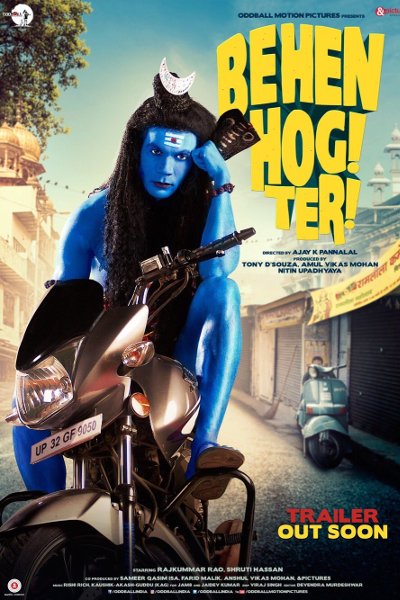
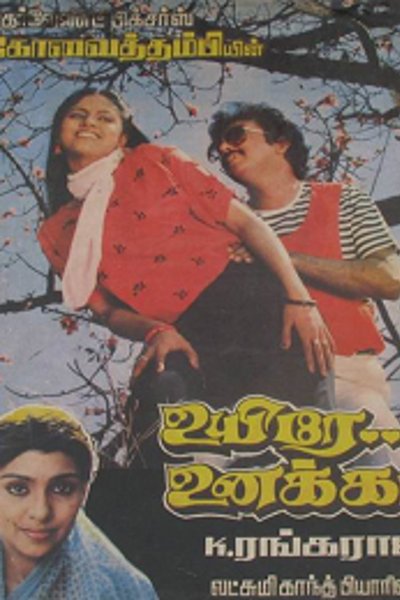
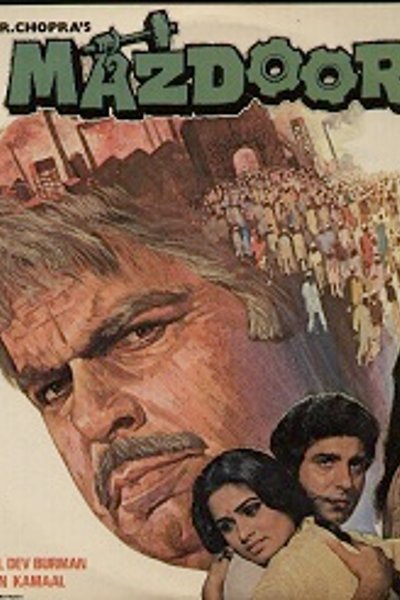
Collaboration Network
The Constellation
Top 7 most-paired collaborators. Bubble size and line thickness reflect how many films they share with R. D. Burman.
Career Analytics
Genre Breakdown
Language Distribution
Films by Decade
Top Co-Actors
See all →R. D. Burman has worked most frequently with Senthil (2 films), Nadhiya (2 films), Charlie (2 films), Urmila Matondkar (2 films), and Danny Denzongpa (2 films).





Did You Know?
R. D. Burman was nicknamed 'Pancham'.
He was the son of composer Sachin Dev Burman.
He married singer Asha Bhosle.
He composed music for over 300 films.
He was known for pioneering the use of Western and Latin American rhythms in Hindi film music.
Legacy & Influence
Rahul Dev Burman, popularly known as R. D. Burman or Pancham da, was a revolutionary music composer who redefined the soundscape of Indian cinema from the mid-1960s through the 1980s. The son of composer S. D. Burman, he initially assisted his father before forging his own distinct path. His career trajectory saw him break from the classical-heavy conventions of the time, introducing a bold, eclectic, and modern sonic palette. Burman masterfully incorporated diverse global influences—including Western rock, disco, funk, Latin rhythms, and folk traditions from across India—into his compositions, creating a sound that was both innovative and immensely popular. His work with lyricists like Majrooh Sultanpuri, Anand Bakshi, and Gulzar, and for filmmakers such as Shakti Samanta, Nasir Hussain, and later Gulzar and Ramesh Sippy, produced a staggering array of iconic soundtracks. Films like 'Teesri Manzil', 'Kati Patang', 'Amar Prem', 'Yaadon Ki Baaraat', 'Sholay', 'Hum Kisise Kum Naheen', and '1942: A Love Story' showcase his incredible versatility, ranging from peppy, youthful numbers to deeply poignant melodies. He possessed an exceptional talent for orchestration and sound design, often using unconventional instruments and vocal techniques to create memorable hooks and rhythms. His collaborations with singers like Kishore Kumar, Asha Bhosle (whom he later married), Lata Mangeshkar, and Mohammed Rafi resulted in some of the most enduring hits in Bollywood history. Despite facing a period of professional downturn in the late 1980s, his music experienced a massive revival in the 1990s and 2000s, heavily sampled and revered by a new generation of composers and audiences. R. D. Burman's true legacy lies in his fearless innovation; he expanded the very language of Hindi film music, making it more contemporary, experimental, and globally informed. He is universally credited with modernizing the Bollywood soundtrack and inspiring countless musicians who followed, securing his place as one of the most influential and beloved composers in Indian cinema.