Narasimha Nandi
Narasimha Nandi is an Indian director, best known for Tamil cinema. Narasimha Nandi began their career in 2010. With 30 credits to their name and an average audience rating of 7.0, Narasimha Nandi remains one of the most prolific and celebrated talents in the industry. Narasimha Nandi is one of the most closely watched talents of their generation, with a rapidly growing body of acclaimed work.
Biography
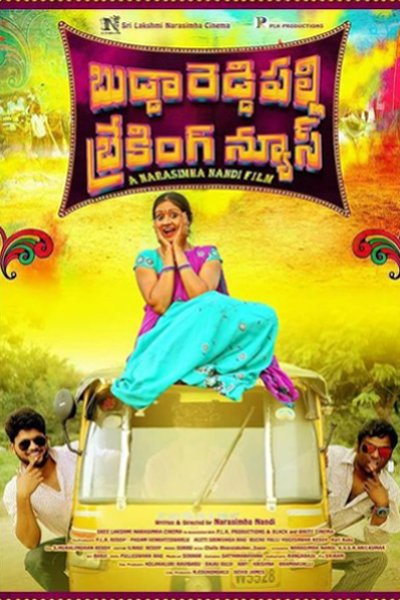
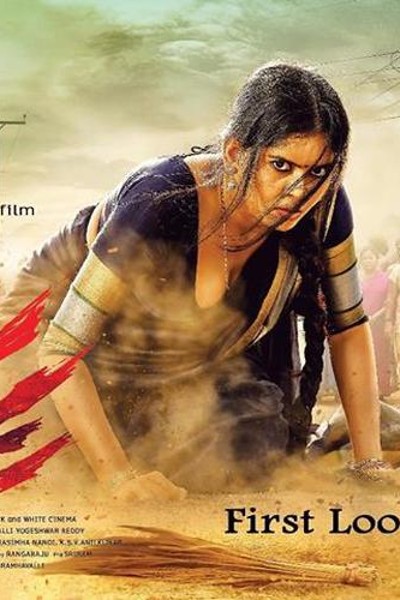
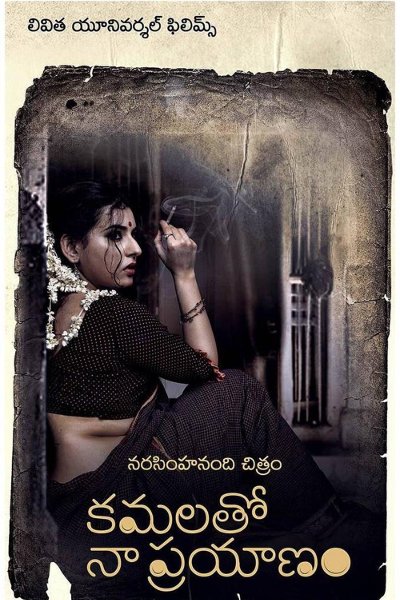
Narasimha Nandi (born Narasimha Reddy) is a Telugu cinema director, screenwriter, producer, and playwright from Pedda Irlapalu, Prakasham district, Andhra Pradesh. His directorial debut, 1940 Lo Oka Gramam (2010), a period drama set in 1940s rural Andhra Pradesh inspired by Gudipati Venkata Chalam's story 'Nayudu Pilla' and starring Baladitya and Sri Ramya, won him both a National Film Award and a Nandi Award in 2008. He is known for socially conscious storytelling rooted in rural Andhra settings, exploring themes of caste, inter-generational marriage, and social custom. He later directed Degree College (2020) and served as a jury member at the 60th National Film Awards (2013) for the South Region-2 category.
Career Milestones
Won National Film Award for Best Telugu Film
View film →Won Nandi Award (4 awards total) for the same film
View film →Directorial debut with 1940 Lo Oka Gramam, a period drama set in rural Andhra Pradesh
View film →Served on the jury for South Region at the 60th National Film Awards
Directed Degree College, continuing career as Telugu filmmaker
View film →Defining Moments
Sri Ramya's head-shaving scene as young bride Suseela, reflecting the brutal social constraints placed on women in forced marriages during the 1940s
This viscerally powerful moment became the film's most discussed scene — a 16-year-old actress shaving her head to embody period-accurate social subjugation. It earned Sri Ramya the Nandi Special Jury Award and is widely cited as the emotional centerpiece of Narasimha Nandi's National Award-winning film.
View film →The village Racchabanda (panchayat) confrontation sequences where caste hierarchies and interpersonal conflicts play out through extended, dialogue-intensive exchanges
These panchayat scenes are considered the dramatic backbone of the film, showcasing Narasimha Nandi's signature style of using long dialogue-driven sequences to expose societal fault lines around caste and gender — a storytelling approach that earned the film the National Film Award for Best Telugu Feature Film.
View film →Climax where elderly Brahmin widower Dheekshitulu has a change of heart and conducts the marriage of Suseela and lower-caste Suri, while village elders face consequences when lower-caste workers refuse to serve them
The resolution subverts expected melodrama — instead of punishment, it delivers quiet social justice. The moment encapsulates the film's Sarojini Devi Award-winning theme of national integration and was widely noted for its nuanced handling of caste reform.
View film →Serving as jury member for South Region at the 60th National Film Awards (2013), marking formal recognition of Narasimha Nandi's stature within India's film establishment
This appointment, following his National Award win for 1940 Lo Oka Gramam, confirmed his standing as a respected voice in Telugu cinema — a filmmaker known for socially conscious storytelling rooted in literary adaptations.
The elopement of Parvati (daughter of a police officer) with lower-caste Shiva, and her subsequent confinement by her father — a thriller setup that revisits Narasimha Nandi's recurring theme of caste-forbidden love
While the film received mixed reviews, this central conflict demonstrated Narasimha Nandi's consistent thematic preoccupation with caste barriers in relationships, connecting his later commercial work to the social realism of his acclaimed debut.
View film →Narasimha Nandi by the Numbers
If you watched every Narasimha Nandi film back-to-back, you'd be at it for roughly 14 hours. Most-paired with Varun — 2 films together.
Filmography
See all 30 credits →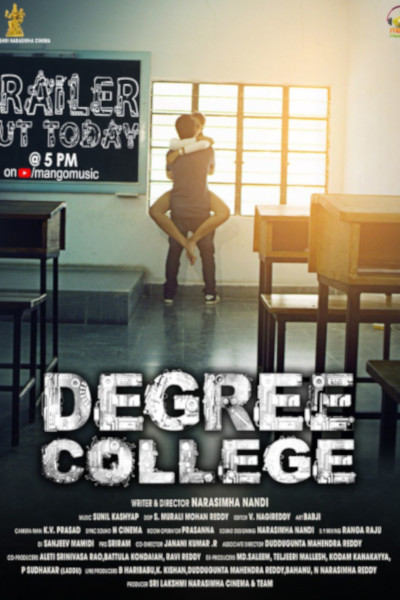
Collaboration Network
Career Analytics
Language Distribution
Films by Decade
Top Co-Actors
See all →Narasimha Nandi has worked most frequently with Varun (2 films).
Legacy & Influence
Narasimha Nandi is a significant figure in Telugu cinema, primarily recognized for his long and prolific career as a film producer. His contributions are anchored in his role as the founder and managing director of the production company, Sree Lakshmi Prasanna Pictures. Through this banner, he was instrumental in producing a substantial number of films, particularly in the 1980s and 1990s, a period that saw the rise of major stars and the consolidation of commercial Telugu cinema. Nandi's work provided a platform for numerous directors, technicians, and actors, contributing to the industry's economic and creative ecosystem. His productions often leaned towards mainstream, mass-oriented entertainers, catering to wide audiences and reinforcing popular narrative structures. While not always associated with critically acclaimed arthouse cinema, his steady output helped sustain the industry's production volume and commercial viability. A key aspect of his legacy is his consistent collaboration with major stars like Chiranjeevi, Balakrishna, and Mohan Babu, producing several of their landmark films. These collaborations were not just business ventures but also helped solidify the star personas and fan bases that define Telugu cinema's culture. His career trajectory demonstrates a sharp understanding of market dynamics and audience preferences, navigating the industry for decades. By providing reliable financing and production support, Narasimha Nandi played a crucial, behind-the-scenes role in the Telugu film industry's growth, enabling the creation of movies that shaped popular culture and entertainment for generations of viewers. His work exemplifies the producer's vital function in Indian cinema, where business acumen and creative risk-taking converge to bring stories to the screen.