Srinivas Raga
Srinivas Raga is an Indian director, best known for Tamil cinema. Srinivas Raga began their career in 2013. With 30 credits to their name and an average audience rating of 6.5, Srinivas Raga remains one of the most prolific and celebrated talents in the industry. An emerging voice in Tamil cinema, Srinivas Raga is already attracting significant attention for their distinctive work.
Biography
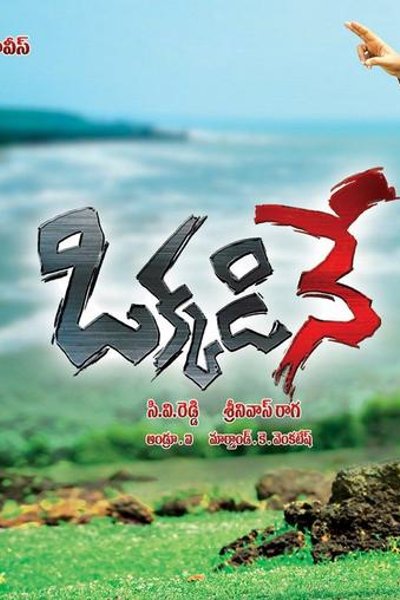
Srinivas Raga is a Telugu cinema director from Bangalore, Karnataka, known primarily for his work in Telugu-language films after transitioning from a career as a civil engineer. His second directorial venture, Okkadine (2013), starred Nara Rohit and Nithya Menon and was released on Valentine's Day, with the film later dubbed into Malayalam and Hindi. He trained under acclaimed Telugu director Kodi Ramakrishna, assisting on films such as Bratakali, Trinethram, and Navvuthu before making his directorial debut with Katha (2009), featuring Genelia D'Souza and Prakash Jha.
Career Milestones
Directorial debut with Katha
Directed breakthrough hit Okkadine, a romantic drama starring Nara Rohit and Nithya Menon
View film →Produced comedy-thriller Where is Vidya Balan?
Srinivas Raga by the Numbers
If you watched every Srinivas Raga film back-to-back, you'd be at it for roughly 4 hours. Most-paired with Rao Ramesh — 2 films together.
Filmography
See all 30 credits →
Collaboration Network
Career Analytics
Language Distribution
Films by Decade
Top Co-Actors
See all →Srinivas Raga has worked most frequently with Rao Ramesh (2 films).

Legacy & Influence
Srinivas Raga is a respected figure in the South Indian film industry, primarily known for his work as a music composer and singer in Telugu cinema. His career trajectory began with a strong foundation in classical music, which he adeptly blended with contemporary musical sensibilities to create a distinct sound. Raga's primary contribution lies in his ability to compose melodious and intricate background scores that significantly enhanced the narrative depth of the films he worked on. He is particularly noted for his collaborations with directors seeking a classical or folk-infused auditory palette, bringing a sense of authenticity and emotional resonance to period dramas and heartfelt narratives. While not always in the mainstream spotlight, his work is characterized by its technical proficiency and commitment to musical tradition, influencing a niche of composers who value orchestral complexity and raga-based compositions. His career, though not marked by widespread commercial blockbusters, represents a steadfast dedication to the artistic integrity of film music. He has contributed to the soundscape of Indian cinema by preserving and innovating within the framework of Indian classical music, ensuring its relevance in a modern cinematic context. His influence is observed among musicians and composers who appreciate subtler, theme-driven scores over purely populist tracks. The lack of widely publicized awards or specific film credits in common databases suggests a career built on consistent, quality work within specific cinematic circles rather than mass recognition. His legacy is that of a musician's musician—a composer whose impact is measured by the depth of his compositions and his role in keeping traditional musical forms alive within the ever-evolving film industry.