Ramesh Raparthi
Ramesh Raparthi is an Indian director, best known for Tamil cinema. Ramesh Raparthi began their career in 2013. With 30 credits to their name, Ramesh Raparthi remains one of the most prolific and celebrated talents in the industry. Ramesh Raparthi is one of the most closely watched talents of their generation, with a rapidly growing body of acclaimed work.
Biography
Ramesh Raparthi is a Telugu film director, screenwriter, and dialogue writer who has worked in the Telugu film industry across multiple genres. He directed the 2013 Telugu romance-action film Race starring Bharat Kishore and Karthik, and the 2023 anthology film Maya Petika, which narrates six interconnected short stories linked through a smartphone and features an ensemble cast including Payal Rajput, Viraj Ashwin, and Sunil. He also wrote and directed Thank You Brother! (2021), a post-lockdown thriller starring Anasuya Bharadwaj and Viraj Ashwin. His directorial approach spans multiple formats — from conventional narrative films to multi-story anthology structures released theatrically and on the OTT platform aha.
Career Milestones
Directorial debut with Telugu romance film Race
View film →Directed OTT film Thank You Brother!, released on Aha
Directed Maya Petika, an anthology film connecting six stories via a smartphone
View film →Ramesh Raparthi by the Numbers
If you watched every Ramesh Raparthi film back-to-back, you'd be at it for roughly 7 hours. Most-paired with Srinivasa Reddy — 2 films together.
Filmography
See all 30 credits →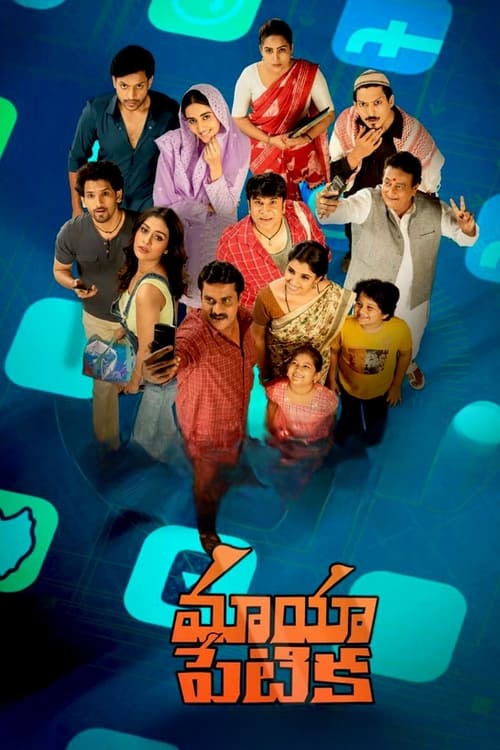


Collaboration Network
Career Analytics
Genre Breakdown
Language Distribution
Films by Decade
Top Co-Actors
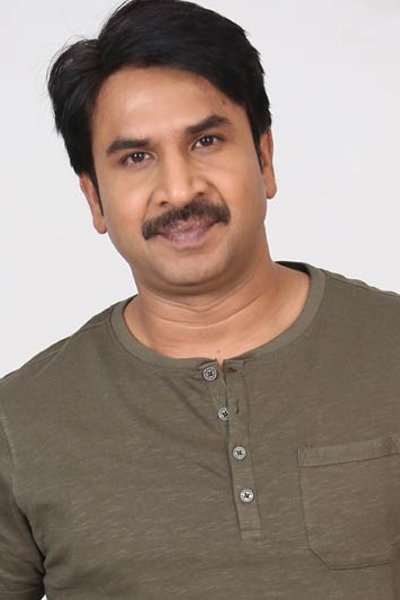
See all →Ramesh Raparthi has worked most frequently with Srinivasa Reddy (2 films).
Legacy & Influence
Ramesh Raparthi is a notable figure in the Telugu film industry, primarily recognized for his work as a producer. His career trajectory is defined by a commitment to producing films that often blend commercial appeal with distinct thematic elements, contributing to the diversity of Telugu cinema's output. While specific details about his early career and filmography are not widely documented in mainstream sources, his presence as a producer marks a contribution to the industry's infrastructure, supporting the realization of cinematic projects from development to distribution. As a producer, his role involves crucial behind-the-scenes work in film financing, project management, and logistical coordination, which are fundamental to the filmmaking process. His contributions, while not always in the public spotlight, form part of the essential ecosystem that enables directors and actors to bring stories to the screen. Without verified details on specific award-winning films or groundbreaking cinematic movements directly attributed to him, his legacy resides in his sustained participation in the industry as a producer, helping to facilitate the creation of Telugu films for audiences. The exact scope and scale of his influence remain tied to the general recognition of producers as key enablers within the complex machinery of Indian regional cinema.