Meher Ramesh
Meher Ramesh is an Indian director, best known for Tamil cinema. Meher Ramesh began their career in 2008 and has been a prominent figure in the industry for over 18 years. With 30 credits to their name, Meher Ramesh remains one of the most prolific and celebrated talents in the industry. Spanning 10+ years, Meher Ramesh's career remains one of the longest and most celebrated in Tamil cinema.
- Born
- Age
- 49
Biography
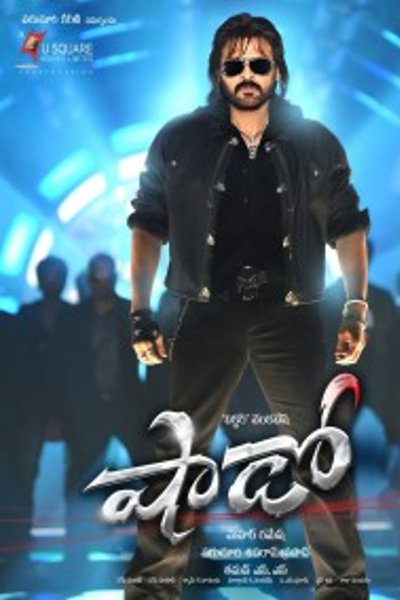
Meher Ramesh is a Telugu film director based in Tollywood, born on November 6, 1976 in Vijayawada, Andhra Pradesh, best known for directing high-profile action films starring major stars. His commercially successful works include Kantri (2008) with N. T. Rama Rao Jr., Billa (2009) with Prabhas, Shakti (2011), and Shadow (2013) with Venkatesh. He began his career as an assistant to director Puri Jagannadh and made his directorial debut with the Kannada-Telugu bilingual Veera Kannadiga/Andhrawala (2004). After a decade-long hiatus, he returned with Bhola Shankar (2023) starring Chiranjeevi, a remake of the Tamil film Vedalam.
Career Milestones
Directorial debut with Veera Kannadiga (Kannada) and simultaneous Telugu version Andhrawala
Breakthrough as Telugu director with mass entertainer featuring Jr. NTR, shot across Hong Kong and Switzerland
View film →Directed stylish adaptation of Tamil blockbuster starring Prabhas and Anushka Shetty, cementing reputation as commercial director
View film →Directed second collaboration with Jr. NTR
View film →Comeback directorial with Chiranjeevi-starrer Telugu remake of Tamil film Vedalam after nearly a decade gap
View film →Defining Moments
Jr. NTR's extended Hong Kong fight sequences — high-energy, stylized action set against international locations showcasing production scale rarely seen in Telugu cinema at the time.
Marked Meher Ramesh's Telugu directorial debut and set the template for his aesthetic: globe-trotting action, designer aesthetics, and mass-appeal hero moments. Kantri gained a cult following for these sequences.
View film →Jr. NTR vs Prakash Raj climax confrontation — the mafia-tinged final act featuring sharp writing and a twist that elevated the film beyond a routine action entertainer.
The climax twist and the NTR–Prakash Raj dynamic were cited as the film's strongest narrative beats, demonstrating Meher Ramesh's grasp of commercial Telugu storytelling conventions.
View film →Prabhas's slow-motion emergence as Billa — the iconic 'don introduction' where he walks out of shadows toward the camera with a stylized background score, establishing the gangster persona in a visually arresting manner.
Widely regarded as Meher Ramesh's most celebrated directorial achievement. Billa was a box office hit and the stylized introduction sequence became one of Prabhas's most iconic looks, cementing Meher Ramesh's reputation as a director with flair for glossy, mass-appealing visuals.
View film →Prabhas's dual-role reveal — the twist where Billa (don) and Ranga (lookalike) are distinguished through contrasting characterization and the climax confrontation between the two identities.
The dual-role narrative device and how Meher Ramesh handled the reveal was praised by audiences; Prabhas's Ranga character in particular drew significant enthusiasm, showing Meher Ramesh's ability to extract charm from contrast.
View film →Chiranjeevi's mass introduction sequence and sister-protection emotional arc — the remake's attempt to recreate Vedalam's emotional core around a brother-sister bond with Chiranjeevi in full mass-hero mode.
Though the film underperformed critically and commercially, Chiranjeevi's screen presence and Meher Ramesh's staging of the emotional beats were noted as the film's few positives in reviews.
View film →Meher Ramesh by the Numbers
If you watched every Meher Ramesh film back-to-back, you'd be at it for roughly 11 hours. Most-paired with Hansika Motwani — 2 films together.
Filmography
See all 30 credits →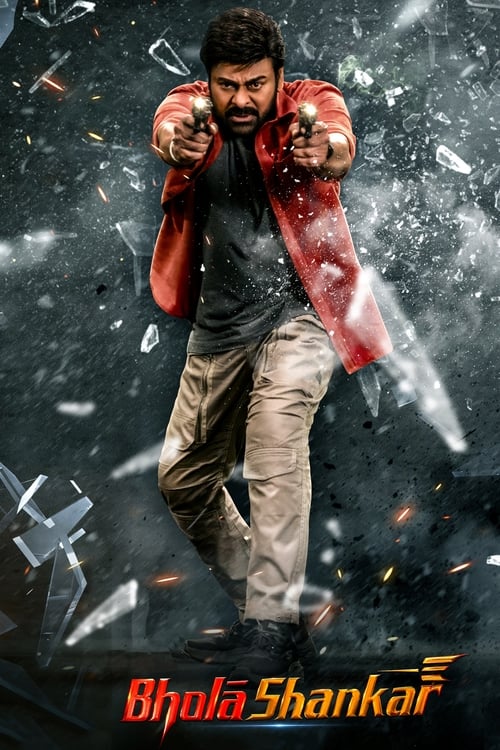

Collaboration Network
The Constellation
Top 5 most-paired collaborators. Bubble size and line thickness reflect how many films they share with Meher Ramesh.
Career Analytics
Genre Breakdown
Language Distribution
Films by Decade
Top Co-Actors
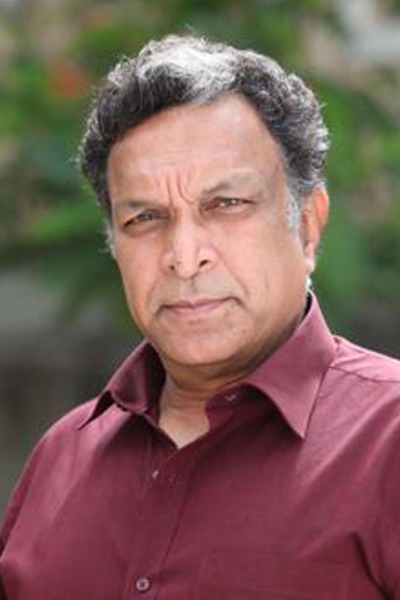
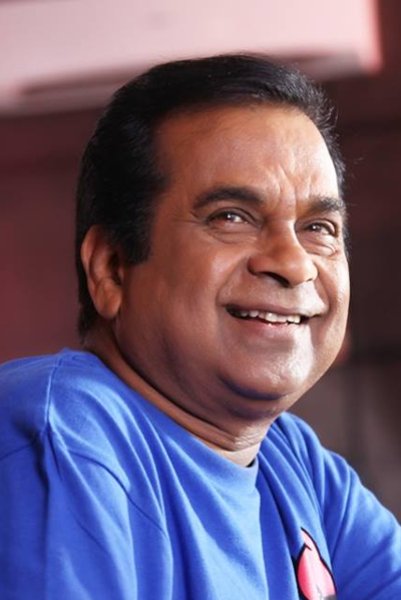
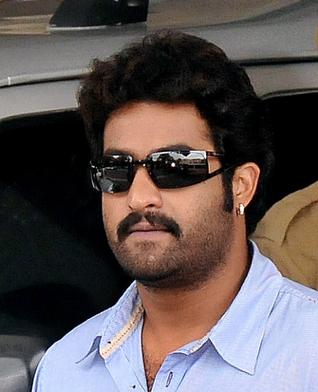
See all →Meher Ramesh has worked most frequently with Hansika Motwani (2 films), Nassar (2 films), Tanisha Mukherjee (2 films), Brahmanandam (2 films), and Jr. NTR (2 films).


Legacy & Influence
Meher Ramesh is a Telugu film director and screenwriter known for his work in the early 21st century, primarily within the commercial action and masala film genres. His career trajectory began with the 2007 film 'Kantri', starring Jr. NTR, which established his signature style of high-octane action sequences and larger-than-life hero portrayals. He followed this with 'Billa' (2009), a Telugu remake of the Tamil hit, featuring Prabhas, which was a commercial success and further cemented his reputation for crafting stylish, fast-paced entertainers. His most notable and controversial work is 'Shakti' (2011), starring Jr. NTR and Ileana D'Cruz. The film was a major box office success but also faced significant criticism for its perceived misogynistic undertones and portrayal of women, sparking considerable debate within film circles and among audiences about gender representation in mainstream Telugu cinema. This film, in particular, exemplifies his contribution to a specific brand of mass hero-centric storytelling that was prevalent in that era. His later directorial ventures, including 'Shadow' (2013) and the bilingual 'Anaganaga O Dheerudu' (2011), did not achieve the same level of commercial or critical success. Meher Ramesh's impact lies in his role as a director who effectively packaged and delivered the quintessential 'mass' entertainer for a specific period, utilizing star power, stylized action, and catchy music to cater to a broad audience. His films are often cited as examples of a particular phase in Telugu commercial cinema that prioritized hero worship and spectacle. While not necessarily credited with pioneering new narrative techniques, his work remains a point of reference in discussions about the evolution of the Telugu action genre and its audience reception in the late 2000s and early 2010s.