Janardhan Maharshi
Janardhan Maharshi is an Indian director, best known for Tamil cinema. Janardhan Maharshi began their career in 1997. With 30 credits to their name, Janardhan Maharshi remains one of the most prolific and celebrated talents in the industry. Spanning 20+ years, Janardhan Maharshi's career remains one of the longest and most celebrated in Tamil cinema.
Biography
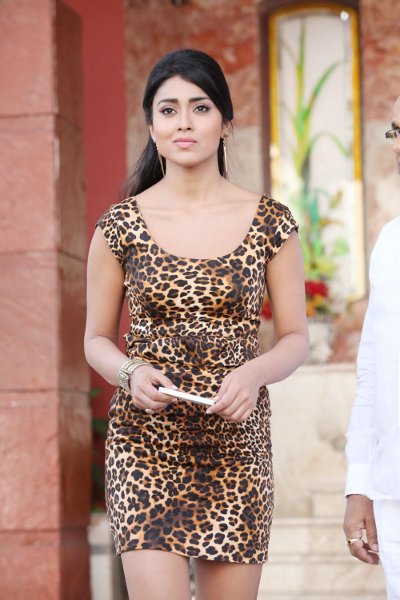
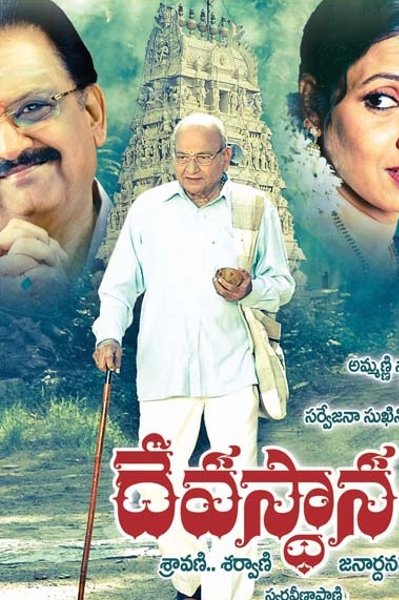
Janardhan Maharshi is a Telugu-language writer, director, and actor from Kandukuru, Prakasam district, Andhra Pradesh, active in both Telugu and Kannada cinema since 1989. He contributed dialogues to S.S. Rajamouli's National Award-winning film Eega (2012) and directed the Telugu adult thriller Pavitra (2013), starring Shriya Saran, which was based on a real-life incident about a woman who turns to prostitution to fund her mother's cancer treatment. He began his career as a script assistant to actor-writer Tanikella Bharani and has since written for over 100 Telugu and 15 Kannada films. His directorial work also includes Devasthanam (2012) and Viswadarshanam (2020), both of which were showcased at international film festivals.
Career Milestones
Established as prominent Telugu screenwriter with over 75 film writing credits
Wrote dialogue for the National Award-winning fantasy blockbuster Eega
Directorial debut with musical drama Devasthanam
Directed Pavitra, a Telugu-language film
View film →Won Nandi Award for Best Family Picture
Janardhan Maharshi by the Numbers
If you watched every Janardhan Maharshi film back-to-back, you'd be at it for roughly 9 hours.
Filmography
See all 30 credits →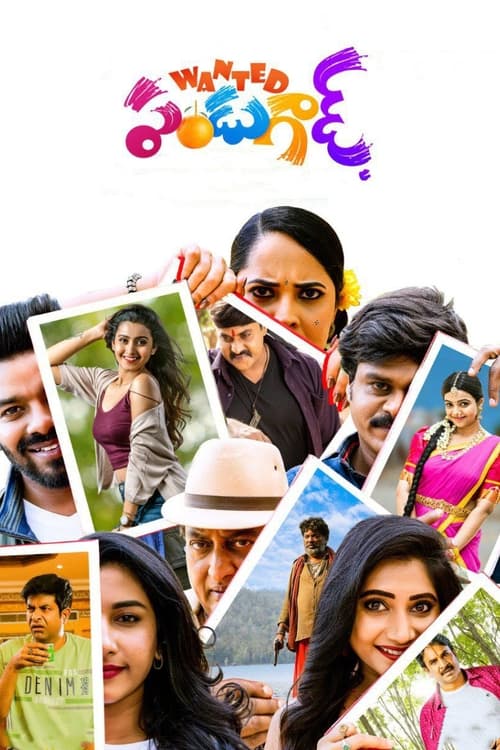
Career Analytics
Genre Breakdown
Language Distribution
Films by Decade
Legacy & Influence
Janardhan Maharshi is a significant figure in Telugu cinema, primarily recognized for his impactful work as a screenwriter and dialogue writer. His career trajectory is defined by a long and fruitful collaboration with director S. S. Rajamouli, contributing to some of the most monumental films in Indian cinematic history. Maharshi's major contribution lies in his foundational role in crafting the narratives for the globally successful 'Baahubali' duology—'Baahubali: The Beginning' (2015) and 'Baahubali: The Conclusion' (2017). He co-wrote the story and dialogues for these epic films, which redefined scale, storytelling, and technical ambition in Indian cinema, achieving unprecedented pan-India and international success. His writing helped build the intricate mythology, memorable characters, and powerful dialogues that became cultural touchstones. Prior to this, he was a key writer for Rajamouli's earlier blockbusters like 'Magadheera' (2009), another landmark film that set new benchmarks for Telugu cinema in terms of visual effects and epic storytelling. His writing often blends grand mythological themes with strong emotional cores and clear moral conflicts, making complex narratives accessible and thrilling to mass audiences. Through his work with Rajamouli, Maharshi has been instrumental in shaping a distinct brand of cinematic spectacle that has influenced filmmakers across India, encouraging a move towards larger-than-world, visually-driven storytelling rooted in indigenous lore. His contributions have solidified the importance of robust, imaginative screenwriting in creating commercially successful and culturally resonant cinematic universes.