Baby Annie
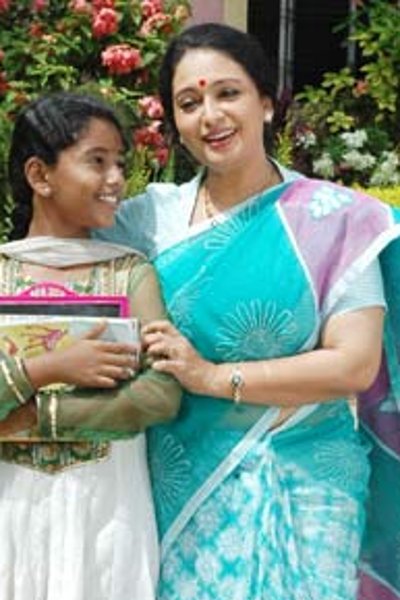
Baby Annie is an Indian actor, best known for Tamil cinema. Baby Annie began their career in 2011 and has been a prominent figure in the industry for over 15 years. With 30 credits to their name and an average audience rating of 6.5, Baby Annie remains one of the most prolific and celebrated talents in the industry. Spanning 10+ years, Baby Annie's career remains one of the longest and most celebrated in Tamil cinema.
- Born
- Age
- 25
Biography
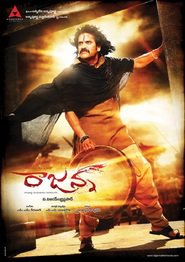
Baby Annie (real name Anusha) is an Indian Telugu cinema actress from Kottayam, Kerala, who rose to prominence as a child artist in Telugu films. Her portrayal of Mallamma in Rajanna (2011) earned her the Nandi Award for Best Child Actress and the Filmfare Award for Best Supporting Actress – Telugu, along with Santosham and CineMAA awards for the same role. She began her acting career at age four in 2005 with Anukokunda Oka Roju and went on to appear in films such as Athidi, Ek Niranjan, and Rangasthalam (2018). She transitioned to lead roles with Thika Maka Thanda (2023) and appeared in Maa Nanna Superhero (2024).
Career Milestones
Film debut as a child actress
Nandi Award for TV performance
Nandi Award for Best Child Actress
View film →Filmfare Award for Best Supporting Actress – Telugu
View film →Breakthrough role as Mallamma in period drama
View film →Iconic Roles
Rajanna
A young, talented singer from a village set against the backdrop of the Razakar movement in early independent India. This role won Baby Annie the Nandi Award for Best Child Actress and Filmfare Award for Best Supporting Actress – Telugu.
Rangasthalam
Played the sister of protagonist Chittibabu (Ram Charan) in this critically acclaimed rural action-drama directed by Sukumar.
Defining Moments
Mallamma sings passionately at the singing competition, pleading to Nehru to free her village, showcasing raw emotion and patriotic fervour
Climactic scene that earned Baby Annie the Nandi Award for Best Child Actress and Filmfare Award for Best Supporting Actress – Telugu; widely cited as one of the most memorable child performances in Telugu cinema
View film →Mallamma spontaneously begins singing upon hearing Carnatic music, revealing her hidden talent and drawing the wrath of the jealous Dorasani
Establishes Mallamma's gift and the central conflict of her subplot; critics specifically highlighted this scene as emotionally compelling and pivotal to her character arc
View film →Mallamma's depiction as a humiliated orphan enduring hardship, culminating in her emotional breakdown scenes that critics praised for authentic pain and vulnerability
Reviewers noted her portrayal of suffering and resilience as 'brilliantly written and performed', cementing her reputation as an exceptional child actress in Telugu cinema
View film →Baby Annie by the Numbers
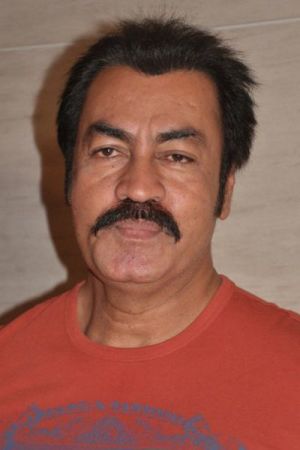
If you watched every Baby Annie film back-to-back, you'd be at it for roughly 7 hours. Most-paired with Pradeep Rawat — 2 films together.
Filmography
See all 30 credits →
Collaboration Network
The Constellation
Top 2 most-paired collaborators. Bubble size and line thickness reflect how many films they share with Baby Annie.
Career Analytics
Genre Breakdown
Language Distribution
Films by Decade
Top Co-Actors
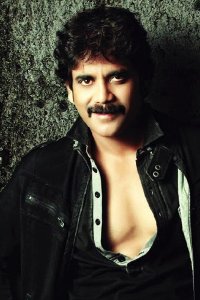
See all →Baby Annie has worked most frequently with Pradeep Rawat (2 films), and Akkineni Nagarjuna (2 films).
Legacy & Influence
Baby Annie is a child actress known for her role in the 2011 Telugu period drama 'Rajanna'. In the film, she portrayed Mallamma, the young daughter of the titular character, played by Nagarjuna. Her performance was noted for its emotional depth and innocence, contributing to the film's narrative about the struggle against feudal oppression and the fight for social justice. The film, set in the pre-independence era, used her character to highlight themes of resilience and the impact of societal struggles on family life. As a child artist, her work in 'Rajanna' remains her most recognized contribution to Indian cinema. Given the limited public record of her career beyond this role, her broader impact on the industry is not extensively documented. Her involvement in the project is a part of the film's ensemble effort to tell a historical story with emotional resonance for a regional audience.