K. Chandrashekar Rao
K. Chandrashekar Rao is an Indian actor, best known for Tamil cinema. K. Chandrashekar Rao began their career in 2011 and has been a prominent figure in the industry for over 15 years. With 30 credits to their name, K. Chandrashekar Rao remains one of the most prolific and celebrated talents in the industry. An emerging voice in Tamil cinema, K. Chandrashekar Rao is already attracting significant attention for their distinctive work.
- Born
- Age
- 72
Biography
K. Chandrashekar Rao, widely known as KCR, is a Telugu politician who made a brief appearance in the Telugu film Jai Bolo Telangana (2011), a film centered on the Telangana statehood movement. He also contributed lyrics to the song 'Garadi Chesthundru' in the same film and wrote a song for the Telugu film Kolimi (2015). A Master's degree holder in Telugu literature from Osmania University, KCR founded the Telangana Rashtra Samithi (TRS) party in 2001 and led the decade-long agitation for a separate Telangana state. He became the first Chief Minister of Telangana upon its formation on 2 June 2014, serving until December 2023.
K. Chandrashekar Rao by the Numbers
If you watched every K. Chandrashekar Rao film back-to-back, you'd be at it for roughly 2 hours.
Filmography
See all 30 credits →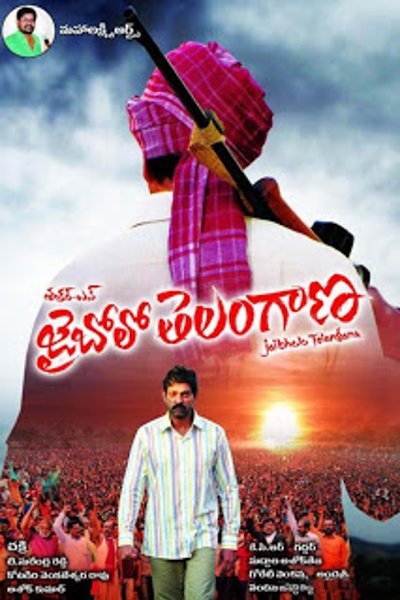
Career Analytics
Language Distribution
Films by Decade
Legacy & Influence
K. Chandrashekar Rao, popularly known as KCR, is a prominent Indian politician and the founder of the Telangana Rashtra Samithi (TRS), now Bharat Rashtra Samithi (BRS). His primary legacy lies in his pivotal role as the chief architect and driving force behind the formation of India's 29th state, Telangana, in 2014, serving as its first Chief Minister. While his career is fundamentally political, his connection to cinema is through the 2011 film 'Jai Bolo Telangana', a political drama that chronicled the Telangana statehood movement he led. The film, more a cinematic documentation of the agitation than a conventional feature, features Rao in a cameo appearance as himself. His contribution to Indian cinema is therefore indirect but significant; the film and the movement it depicted became a cultural and political touchstone in the region. The socio-political narrative he championed has influenced thematic content in Telugu cinema, with several subsequent films exploring regional identity and political movements. His legacy in cinema is intrinsically tied to his real-world political impact, which provided the powerful, real-life story that the film sought to portray. His career trajectory from a state legislator to the central figure of a mass movement and finally to Chief Minister represents a story of regional assertion that has inspired artistic and narrative exploration within the cultural sphere of South India.