Shaheed Kader
Shaheed Kader is an Indian director, best known for Tamil cinema. Shaheed Kader began their career in 2013. With 30 credits to their name and an average audience rating of 7.4, Shaheed Kader remains one of the most prolific and celebrated talents in the industry. An emerging voice in Tamil cinema, Shaheed Kader is already attracting significant attention for their distinctive work.
Career Milestones
Directorial debut with Tamil thriller Chennaiyil Oru Naal, a remake of the Malayalam film Traffic — opened to positive reviews and became a box office blockbuster
View film →Directed the spiritual successor / sequel Chennaiyil Oru Naal 2
View film →Shaheed Kader by the Numbers
If you watched every Shaheed Kader film back-to-back, you'd be at it for roughly 2 hours.
Filmography
See all 30 credits →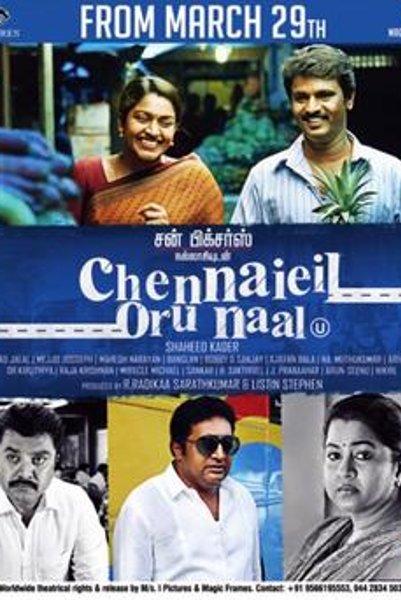
Career Analytics
Language Distribution
Films by Decade
Legacy & Influence
Shaheed Kader is a respected figure in the Indian film industry, primarily known for his work as a screenwriter and dialogue writer in Tamil cinema. His career trajectory is defined by a significant and enduring collaboration with acclaimed director Mani Ratnam, contributing to some of the most seminal films in modern Indian cinema. Kader's writing is celebrated for its sharp, realistic, and impactful dialogue that gives depth to characters and drives narrative force. His most notable contribution is his work on Mani Ratnam's political trilogy—'Roja' (1992), 'Bombay' (1995), and 'Dil Se..' (1998)—where his Tamil dialogues (and their Hindi adaptations) played a crucial role in conveying complex themes of nationalism, love, and societal conflict to a pan-Indian audience. Beyond the trilogy, his writing in films like 'Alaipayuthey' (2000) and 'Kannathil Muthamittal' (2002) showcased his versatility in handling intimate romantic dramas and emotionally charged war narratives with equal finesse. His ability to craft lines that resonate deeply with audiences, becoming part of popular culture, marks his primary contribution. While often working in the shadow of the directors he collaborates with, Kader's literary craftsmanship is widely acknowledged within the industry as a key component in the success and enduring legacy of these landmark films. He represents a school of screenwriting where dialogue is not merely functional but is a powerful vehicle for theme, character, and emotional authenticity, influencing a generation of writers who aspire to blend artistic integrity with mainstream appeal.