K. Vasu
K. Vasu is an Indian director, best known for Tamil cinema. K. Vasu began their career in 1982 and has been a prominent figure in the industry for over 44 years. With 30 credits to their name, K. Vasu remains one of the most prolific and celebrated talents in the industry. Spanning 40+ years, K. Vasu's career remains one of the longest and most celebrated in Tamil cinema.
- Born
- Age
- 75
K. Vasu by the Numbers
If you watched every K. Vasu film back-to-back, you'd be at it for roughly 11 hours. Most-paired with Brahmanandam — 2 films together.
Filmography
See all 30 credits →Collaboration Network
Career Analytics
Language Distribution
Films by Decade
Top Co-Actors
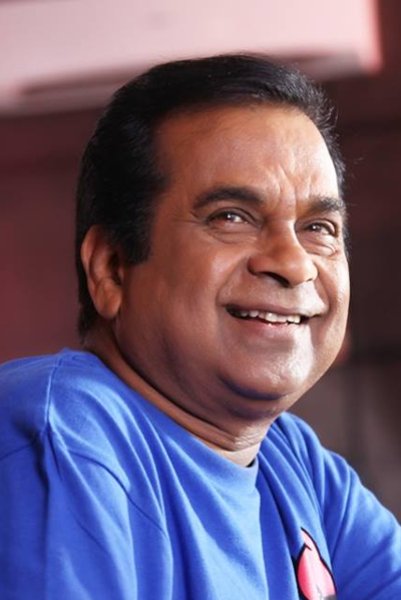
See all →K. Vasu has worked most frequently with Brahmanandam (2 films).
Legacy & Influence
K. Vasu is a significant figure in the South Indian film industry, particularly known for his work as a producer in Tamil and Telugu cinema. His career trajectory is defined by his long-standing association with veteran actor Rajinikanth, having produced several of the superstar's landmark films. Vasu's most notable contribution came through his production house, Sathya Jyothi Films, which he founded. The company became instrumental in backing major commercial successes that shaped Rajinikanth's stardom in the 1990s and 2000s. A pivotal film in his career was the 1995 blockbuster 'Baashha', directed by Suresh Krissna. Produced by Vasu, the film was a cultural phenomenon, redefining the 'gangster' genre in Tamil cinema and cementing Rajinikanth's image as a mass hero. Its dialogues, style, and narrative left an indelible mark on popular culture. He further solidified this partnership by producing other successful Rajinikanth films like 'Annamalai' (1992) and 'Veera' (1994). His production choices often leaned towards high-concept, mass-entertainment films that resonated widely with audiences. Beyond his work with Rajinikanth, Sathya Jyothi Films also produced notable films in other languages, including the Telugu hit 'Indra' (2002) starring Chiranjeevi, demonstrating Vasu's pan-South Indian reach. His legacy lies in his acumen as a producer who identified and bankrolled projects with immense star power and commercial viability, contributing to the careers of top actors and the economic ecosystem of Tamil and Telugu cinema. He is remembered as a key facilitator in the industry's shift towards big-budget, star-driven spectacles during a crucial period.