Vamsikrishna Akella
Vamsikrishna Akella is an Indian director, best known for Tamil cinema. Vamsikrishna Akella began their career in 2008. With 30 credits to their name and an average audience rating of 6.7, Vamsikrishna Akella remains one of the most prolific and celebrated talents in the industry. Vamsikrishna Akella is one of the most closely watched talents of their generation, with a rapidly growing body of acclaimed work.
Biography
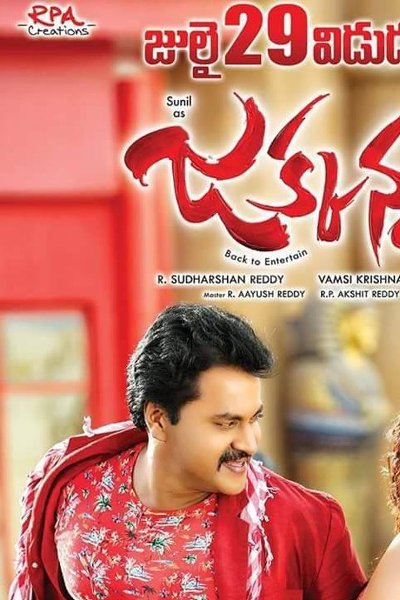
Vamsi Krishna Akella is a Telugu film director and writer who began his career in Telugu cinema with the 2007 film 'Anumanaspadam' (story writer) and made his directorial debut with the 2008 horror film 'Raksha', produced by Ram Gopal Varma, which was a Telugu remake of the Hindi film 'Phoonk'. He is known for directing the 2016 Telugu comedy film 'Jakkanna', featuring Sunil and Mannara Chopra in the lead roles, released on 29 July 2016. His filmography spans multiple genres including horror, comedy, and action, with works such as 'AggiPulla', 'Rakshaka Bhatudu' (2017), and 'Viswamitra' (2019). No major award wins or nominations have been widely documented for his films.
Career Milestones
Directorial debut with horror film Raksha, produced by Ram Gopal Varma
View film →Directed commercially successful Telugu comedy Jakkana
View film →Vamsikrishna Akella by the Numbers
If you watched every Vamsikrishna Akella film back-to-back, you'd be at it for roughly 9 hours.
Filmography
See all 30 credits →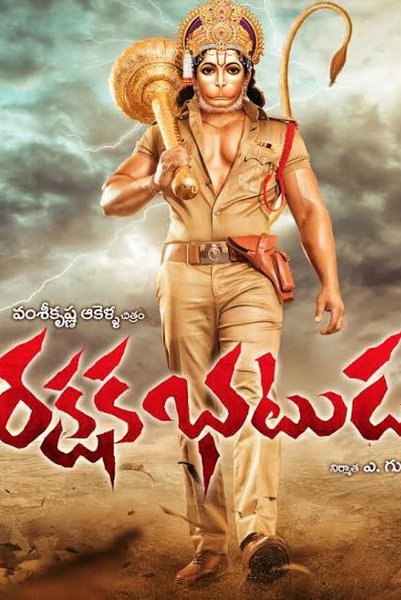
Career Analytics
Language Distribution
Films by Decade
Legacy & Influence
Vamsikrishna Akella is a prominent screenwriter and dialogue writer in Telugu cinema, best known for his sharp, contemporary, and often youth-centric writing. His career trajectory is defined by a significant contribution to the modernisation of Telugu film narratives, moving away from traditional archetypes to stories that resonate with urban and younger audiences. Akella first gained major recognition for his work on the blockbuster film "Arjun Reddy" (2017), where his dialogues were instrumental in defining the raw, intense, and unapologetic character of the protagonist, played by Vijay Deverakonda. The film's language and cultural impact were heavily driven by his writing, making it a landmark in new-age Telugu cinema. He further solidified his reputation with the critically and commercially successful "Geetha Govindam" (2018), crafting a charming romantic narrative with relatable conflicts and witty exchanges. His collaborations with director Parasuram, including "Geetha Govindam" and "Solo Brathuke So Better" (2020), showcase his skill in blending romance, comedy, and social observations. Akella's primary contribution lies in his authentic portrayal of modern relationships, emotional conflicts, and societal pressures, using dialogue that feels fresh and conversational. He has played a key role in shaping the voice of a generation of Telugu film heroes and heroines, making their struggles and triumphs more accessible. While his filmography is not extensive, its impact is considerable, influencing the tone and dialogue style of numerous subsequent films aiming to capture a similar audience. His work represents a shift towards more character-driven, dialogue-heavy scripts in mainstream Telugu cinema, emphasizing internal conflict and personal growth over purely plot-driven action.