Adi
Adi is an Indian director, best known for Tamil cinema. Adi began their career in 2005. With 30 credits to their name and an average audience rating of 6.5, Adi remains one of the most prolific and celebrated talents in the industry. An emerging voice in Tamil cinema, Adi is already attracting significant attention for their distinctive work.
Biography
Adi Narayana is a director and writer working in the Telugu and Tamil film industries, primarily known for directing the 2005 Telugu action film Political Rowdy, a remake of the Tamil film Adi Thadi, starring Mohan Babu, Charmme Kaur, Prakash Raj, and Abbas. He has also contributed as a writer on later productions including Bholaa Shankar (2023) and Kanguva (2024). No major awards or widespread critical recognition have been documented for his directorial work. His career spans both directing and screenplay writing across Telugu and Tamil cinema.
Adi by the Numbers
If you watched every Adi film back-to-back, you'd be at it for roughly 2 hours.
Filmography
See all 30 credits →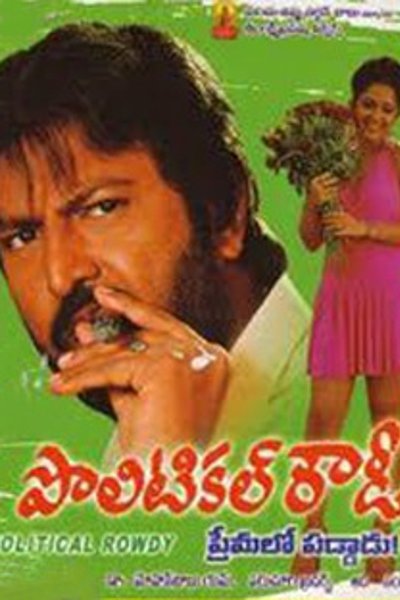
Career Analytics
Language Distribution
Films by Decade
Legacy & Influence
Adi, a prominent figure in Indian cinema, is best known as Aditya Chopra, the influential filmmaker, screenwriter, and producer. As the son of legendary director Yash Chopra, he inherited a cinematic legacy which he profoundly expanded. His directorial debut, 'Dilwale Dulhania Le Jayenge' (1995), is a landmark film in Hindi cinema, celebrated for redefining the modern romantic genre and establishing the archetype of the 'non-resident Indian' romance. The film's unprecedented success and its record-breaking continuous theatrical run at Mumbai's Maratha Mandir cinema exemplify its enduring cultural resonance. As the founder and chairman of Yash Raj Films, Aditya Chopra has built one of India's most powerful production houses, shaping the industry's commercial and creative landscape for decades. Under his stewardship, YRF has produced and distributed a vast array of successful films across genres, launched numerous directorial and acting careers, and pioneered modern studio practices and franchise filmmaking in India. His work as a director, though selective, is characterized by a distinct visual style and narratives that often explore complex relationships within contemporary urban settings, as seen in films like 'Mohabbatein' (2000) and 'Rab Ne Bana Di Jodi' (2008). His significant, though intensely private, role as a producer and studio head has been instrumental in standardizing production values, fostering new talent, and expanding the global reach of Hindi cinema. His influence extends beyond filmmaking into shaping industry economics and marketing strategies, cementing his position as a pivotal architect of modern Bollywood.