Vikram Singh
Vikram Singh is an Indian actor, best known for Tamil cinema. Vikram Singh began their career in 2003 and has been a prominent figure in the industry for over 23 years. With 30 credits to their name, Vikram Singh remains one of the most prolific and celebrated talents in the industry. Spanning 20+ years, Vikram Singh's career remains one of the longest and most celebrated in Tamil cinema.
- Born
- Age
- 44
Biography
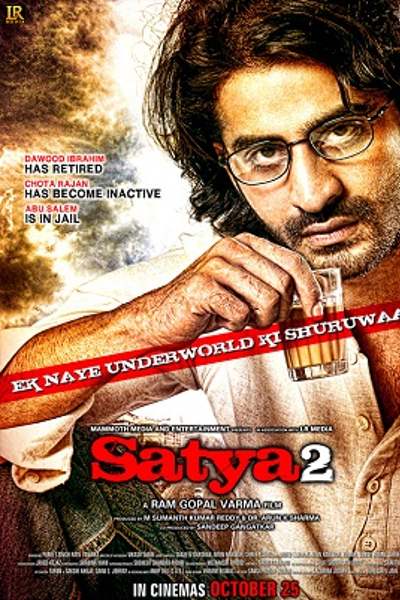
Ranjha Vikram Singh is a Hindi cinema actor and film producer, born on May 12, 1982, in Jamshedpur, Jharkhand, known for playing villainous and authoritative supporting roles in mainstream Bollywood productions. He played Rajjo Fauji, the primary antagonist in Tiger Shroff's debut film Heropanti (2014), and appeared in Ram Gopal Varma's crime sequel Satya 2 (2013) as Anna. He has worked across multiple genres and languages including Hindi, Punjabi, and South Indian cinema, with roles in supernatural thriller Aatma (2006) and spy thriller Code Name Abdul (2021). In 2015, he expanded into production, founding Running Horses Films and producing and starring in the Punjabi film 25 Kille.
Career Milestones
Film debut as lead in Mumbai Godfather
Role of Anna in Ram Gopal Varma's crime thriller
View film →Breakthrough role as antagonist Rajjo Fauji alongside Tiger Shroff's debut
View film →SIIMA Award nomination for Best Actor in Main Negative Role
Won Filmfare Award Punjabi for Best Action in a Film; also produced the film via Running Horses Films
Iconic Roles
Heropanti
Loud, menacing Haryanvi Jat boxing champion who serves as the main antagonist. Singh's most celebrated role, praised for his commanding physicality and authentic Haryanvi accent.
Satya 2
Supporting antagonist role in Ram Gopal Varma's crime sequel, contributing to Singh's image as a reliable villain in Bollywood.
Aatma
Early career role as a law enforcement character, one of Singh's formative appearances in Hindi cinema.
Defining Moments
Playing Inspector Siddharth who investigates supernatural disturbances plaguing a wealthy family — a grounded law-enforcement role in a horror thriller context.
One of his early notable appearances, demonstrating range in a genre outside his later action-villain typecasting.
View film →Role as Anna, a crime underworld figure in Ram Gopal Varma's gritty crime sequel.
Supporting role in a high-profile RGV production that added to his credentials as a character actor in the crime/action genre ahead of his Heropanti breakthrough.
View film →Introduction and confrontations as Rajjo Fauji — a boisterous Haryanvi Jat boxer/villain who clashes with Tiger Shroff's character over the female lead. His loud, physically imposing antagonist role stood out amid the film's mixed reviews and earned him award recognition.
Breakthrough role that established Ranjha Vikram Singh as a credible Bollywood villain. His commanding presence and physicality in action sequences were widely praised, earning him awards and boosting his visibility after years of minor roles.
View film →Vikram Singh by the Numbers
If you watched every Vikram Singh film back-to-back, you'd be at it for roughly 21 hours. Most-paired with Raju Kher — 2 films together.
Filmography
See all 30 credits →



Collaboration Network
Career Analytics
Genre Breakdown
Language Distribution
Films by Decade
Top Co-Actors
See all →Vikram Singh has worked most frequently with Raju Kher (2 films).

Legacy & Influence
Vikram Singh is an actor in Indian cinema whose career trajectory reflects a presence in the mid-budget and independent film sectors, particularly in the 2010s. His filmography, while not extensive in mainstream blockbusters, shows a pattern of engagement with socially conscious and dramatic narratives. His role as Imran Khan in 'Ya Rab' (2014), a film dealing with themes of religious extremism and judicial process, placed him in a project aiming for social commentary. His participation in 'Satya 2' (2013), a sequel to the landmark crime film, connected him to a significant franchise in Indian cinema, albeit in a supporting capacity as the character Anna. His later work includes a supporting role in 'Code Name Abdul' (2021), indicating a continued, albeit selective, presence in the industry. His contribution lies in embodying character roles within films that often operate outside the typical commercial masala format, thereby contributing to the diversity of genres and narratives available to audiences. Without a major breakout leading role or widespread critical acclaim, his impact is more subtle, representing the many working actors who form the essential supporting fabric of the film industry, enabling stories to be told through competent performances in defined character parts. His career demonstrates the pathways available for actors pursuing work in varied cinematic projects, from thematic dramas to franchise entries.