Roshni
Roshni is an Indian actor, best known for Tamil cinema. Roshni began their career in 1987. With 30 credits to their name, Roshni remains one of the most prolific and celebrated talents in the industry. Spanning 30+ years, Roshni's career remains one of the longest and most celebrated in Tamil cinema.
Biography
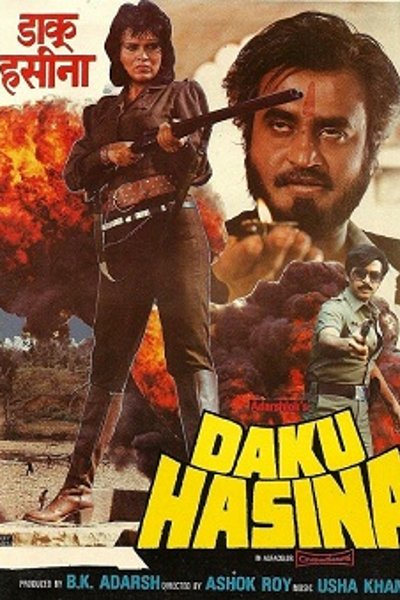
Roshni (born Rashmi Chauhan) is a Hindi cinema actress who was relaunched under her screen name by director Rajkumar Kohli in the film Jeene Nahin Doonga. She is known for her appearances in 1980s Bollywood productions including Daku Hasina (1987) and Dariya Dil (1988), where she played the character Dolly Gogi. Her filmography spans across several decades, with roles in films such as Samundar (1986), Tera Karam Mera Dharam (1987), and later Daraar (1996) and Madhoshi (2004). She was married to director Kawal Sharma before later settling in Delhi.
Roshni by the Numbers
If you watched every Roshni film back-to-back, you'd be at it for roughly 7 hours.
Filmography
See all 30 credits →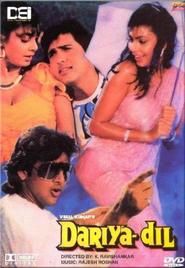
Career Analytics
Language Distribution
Films by Decade
Legacy & Influence
Roshni is an actress whose cinematic footprint is primarily defined by her role in the 1987 film 'Daku Hasina'. While comprehensive biographical details remain scarce, her contribution exists within the specific context of this late-1980s action-drama. The film, featuring her in a lead role, belongs to a popular genre of its era that often centered on themes of banditry, revenge, and rural justice, frequently with strong female protagonists or antagonists. Her performance in 'Daku Hasina' represents a participation in this niche, which catered to a particular audience segment in Indian cinema during that period. Without a substantial filmography or publicly documented career trajectory beyond this credit, her individual artistic impact is challenging to quantify against the broader industry narrative. Her legacy is thus intrinsically linked to this single title, which remains a point of reference for enthusiasts of films from that specific genre and time. It underscores the nature of the film industry where many artists contribute to the vast tapestry of cinema through roles that, while not always leading to sustained stardom, form an essential part of the era's output. Her work in 'Daku Hasina' contributes to the historical record of a genre that explored certain social dynamics and provided specific types of narrative entertainment in the late 1980s.