Soumik Sen
Soumik Sen is an Indian director, best known for Tamil cinema. Soumik Sen began their career in 2008 and has been a prominent figure in the industry for over 18 years. With 30 credits to their name, Soumik Sen remains one of the most prolific and celebrated talents in the industry. Soumik Sen is one of the most closely watched talents of their generation, with a rapidly growing body of acclaimed work.
- Born
- Age
- 51
Biography
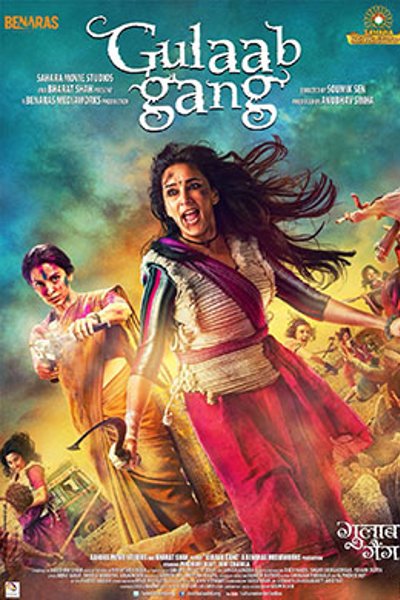
Soumik Sen is an Indian film director, screenwriter, and music composer working in Hindi cinema, known for making socially conscious films. His directorial debut Gulaab Gang (2014), starring Madhuri Dixit and Juhi Chawla, explored women's empowerment and marked the first on-screen pairing of these two 1990s superstars. He followed with Why Cheat India (2019), a film exposing academic fraud in India's education system. He won the Best Screenplay Award at the DadaSaheb Phalke International Film Festival for the Bengali film Mahalaya (2019) and received a Filmfare OTT Award nomination for Best Original Story for the Amazon Prime series Jubilee (2023), set in the golden era of Hindi cinema.
Career Milestones
Screenwriting debut with Bollywood thriller
Directorial debut with women-empowerment action-drama starring Madhuri Dixit
View film →Directed and co-wrote education fraud drama starring Emraan Hashmi
View film →Created acclaimed Amazon Prime Video period drama series
Defining Moments
Madhuri Dixit's introductory action sequence establishing Rajjo as a fearless vigilante leader of the Gulaab Gang
Sen's debut directorial moment that subverted the traditional portrayal of women in Bollywood by presenting Madhuri Dixit in an unprecedented action-hero role, drawing widespread attention for its bold feminist framing
View film →Climactic Holi confrontation where Rajjo severs Sumitra Devi's hand as she attempts to massacre the gang
The film's most viscerally memorable scene — a striking visual metaphor for rural women's resistance against political oppression, frequently cited as the dramatic peak of Sen's debut
View film →Rocky Bhai's elaborate exam cheating operation exposed through a methodical investigative unravelling
Sen tackled India's systemic education fraud head-on; while critically divisive, the film's central exposé of proxy exam networks sparked genuine public conversation about the broken education system
View film →Opening episode world-building of post-Partition Bollywood in Jubilee, establishing the golden era studio system's glamour and corruption
Co-created with Vikramaditya Motwane for Amazon Prime Video, the series' atmospheric recreation of 1940s–50s Bombay film industry was widely praised as Sen's most mature and ambitious work
Jazz club sequences in 1971 Calcutta weaving personal resistance stories against the backdrop of the Bangladesh Liberation War
Cited as showcasing Sen's signature obsessive detail and historical authenticity, the series represents his fullest expression of atmosphere-driven, politically grounded storytelling
Soumik Sen by the Numbers
If you watched every Soumik Sen film back-to-back, you'd be at it for roughly 9 hours.
Filmography
See all 30 credits →
Career Analytics
Language Distribution
Films by Decade
Legacy & Influence
Soumik Sen is recognized in the Indian film industry primarily as a writer and director, with a career that intersects cinema, advertising, and music. His most notable contribution is writing and directing the 2014 film 'Gulaab Gang', a social drama inspired by the real-life Gulabi Gang led by Sampat Pal. The film, starring Madhuri Dixit and Juhi Chawla, attempted to spotlight issues of rural women's empowerment and systemic injustice, bringing a mainstream Bollywood treatment to a grassroots movement. While the film received mixed critical reception, it contributed to a broader conversation about women-centric narratives in commercial Hindi cinema during that period. Prior to this, Sen co-wrote the screenplay for 'Jhootha Hi Sahi' (2010). His filmmaking approach often blends social themes with commercial sensibilities, though his directorial filmography remains limited. He has also had a significant parallel career as an advertising professional, directing numerous acclaimed television commercials, which has influenced his cinematic style. His work in cinema, though not extensive, is marked by an attempt to address socio-political themes within the mainstream framework. His overall impact on Indian cinema is as a filmmaker who ventured into the terrain of issue-based storytelling with a star-driven vehicle, though his lasting influence is moderated by a relatively small body of directorial work.