
Kirron Kher
Kirron Kher is an Indian actor, best known for Tamil cinema. Kirron Kher began their career in 1983 and has been a prominent figure in the industry for over 43 years. With 30 credits to their name, Kirron Kher remains one of the most prolific and celebrated talents in the industry. Spanning 40+ years, Kirron Kher's career remains one of the longest and most celebrated in Tamil cinema.
- Born
- Age
- 74
Biography
Kirron Kher is a Hindi cinema actress and politician best known for her strong maternal and character roles in major Bollywood productions of the 2000s. She won the National Film Award for Best Actress for the Bengali film Bariwali (1999) and received Filmfare nominations for Best Supporting Actress for Devdas (2002), Rang De Basanti (2006), and Dostana (2008). Her performances are marked by a commanding screen presence and emotional authenticity, playing pivotal supporting roles opposite stars like Shah Rukh Khan in Veer-Zaara and Main Hoon Na, Aamir Khan in Rang De Basanti, and Ajay Devgn in Fanaa. She served as a Member of Parliament from Chandigarh (2014–2024) representing the BJP, making her one of the few Bollywood veterans to transition to an active political career.
Career Milestones
Film debut in Punjabi film
National Film Award – Special Jury Award for comeback role
National Film Award for Best Actress
IIFA Best Supporting Actress Award
View film →Filmfare Award nomination for Best Supporting Actress
View film →Iconic Roles
Sardari Begum
A courtesan and singer with a tragic personal life. Kirron Kher won the Special Jury Award at the 1997 National Film Awards for this career-defining role.
Devdas
Paro's mother, known for the iconic scene where she boldly stands up to insults from Devdas's wealthy mother, delivering one of the film's most memorable moments.
Hum Tum
A loud, chirpy, and progressive Punjabi mother who secretly schemes to set up her daughter with a suitable match, praised for her comedy timing.
Om Shanti Om
Om's overly theatrical and sentimental mother, widely celebrated for her impeccable comic timing and emotional depth in a supporting role.
Defining Moments
Sumitra confronts Devdas's mother in a powerful, emotionally charged scene, hitting back at insults with a moving speech about dignity and class.
Won her the IIFA Award for Best Supporting Actress 2003 and established her as a powerhouse supporting performer in Bollywood.
View film →As Zaara's mother Mariam, she meets Veer alone and delivers the iconic exchange: 'Tere Mulk ka har beta tere jaisa hai kya?' — a scene of quiet maternal grace acknowledging cross-border love.
One of the most emotionally resonant scenes in the film, widely cited for her commanding maternal presence and ability to convey profound emotion with minimal words.
View film →As Mitro, Aamir Khan's Punjabi mother, she brings earthy warmth and humor to the film's otherwise weighty narrative about patriotism and youth disillusionment.
Earned her a Filmfare Award nomination for Best Supporting Actress; her grounded performance added emotional texture to a landmark film.
View film →As Kamaljit Saran (Dev's mother), she delivers a nuanced, impactful performance in limited screen time, adding moral and emotional weight to the family dynamics.
Widely praised as 'spectacular' and earned her a third Filmfare Award nomination for Best Supporting Actress.
View film →As Bela Makhija (Om's mother), she plays an over-the-top theatrical, drama-queen Bollywood mom with perfect comic timing and warmth.
Showcased her versatility in comedy; became a fan-favourite character for her hilarious yet endearing portrayal.
View film →Kirron Kher by the Numbers
If you watched every Kirron Kher film back-to-back, you'd be at it for roughly 2 days and 19h. Most-paired with Shahrukh Khan — 5 films together.
Filmography
See all 30 credits →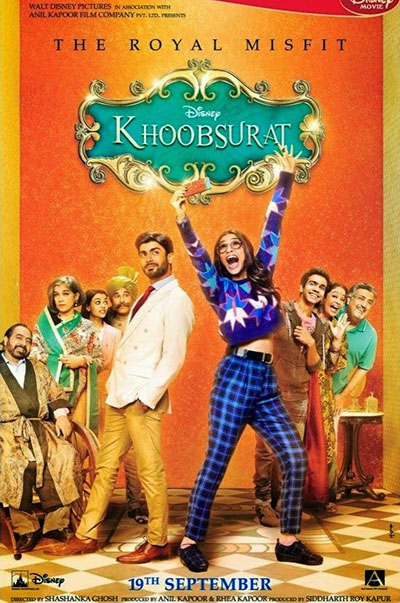
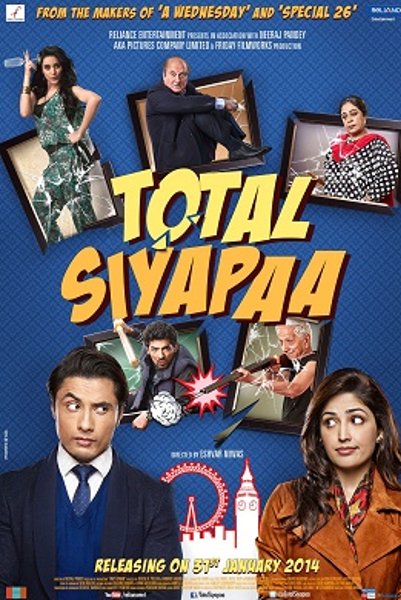

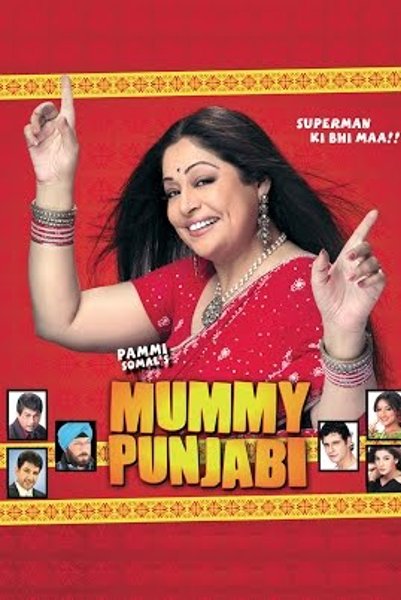

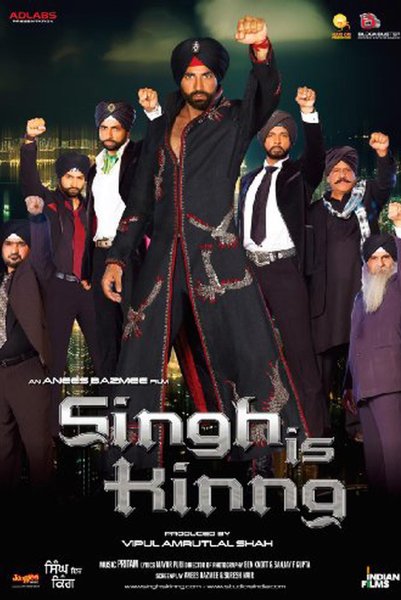

Collaboration Network
The Constellation
Top 10 most-paired collaborators. Bubble size and line thickness reflect how many films they share with Kirron Kher.
Career Analytics
Genre Breakdown
Language Distribution
Films by Decade
Top Co-Actors
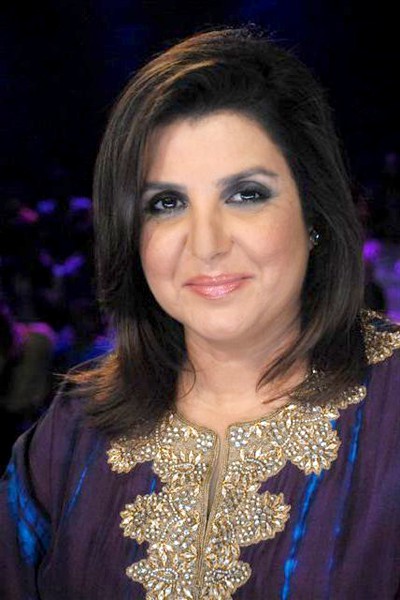
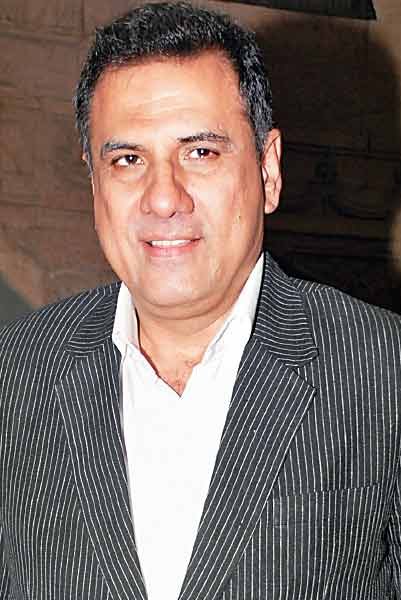
See all →Kirron Kher has worked most frequently with Kunal Kohli (2 films), Farah Khan (2 films), Shahrukh Khan (5 films), Boman Irani (5 films), and Kareena Kapoor (5 films).






Did You Know?
Kirron Kher is married to actor Anupam Kher.
She began her acting career in Punjabi theatre and films.
She won the National Film Award for Best Actress for her role in 'Sardari Begum' (1996).
She served as a Member of Parliament (Lok Sabha) from Chandigarh from 2014 to 2024.
She was a judge on the Indian television talent show 'India's Got Talent'.
Signature Dialogues
Jaan usse do joh apna dil tumhe de ... lekin apna guroor sirf us pe kurbaan karo ... joh tumhare pyar mein fanaa ho jaye
Sumitra Chakraborty·Devdas
Family
Spouse
Anupam Kher
Legacy & Influence
Kirron Kher's contribution to Indian cinema is defined by her remarkable versatility and powerful screen presence across diverse cinematic landscapes. Her career trajectory showcases a unique journey from parallel and Punjabi cinema to mainstream Bollywood, where she carved a distinct niche. She first gained significant critical acclaim in the 1990s with her raw and authentic performances in Punjabi films and arthouse cinema, most notably in 'Sardari Begum' (1996), where her portrayal of a courtesan-singer was widely praised. This established her as a serious actress capable of handling complex, nuanced roles. Her transition to popular Hindi cinema was marked by impactful supporting performances that often became the emotional anchor of the films. In Sanjay Leela Bhansali's 'Devdas' (2002), her role as the empathetic Sumitra, Paro's mother, added depth to the opulent drama. She delivered one of her most memorable performances in Yash Chopra's 'Veer-Zaara' (2004) as the stoic, resilient mother of Veer Pratap Singh, earning immense audience affection. Kher further demonstrated her range by excelling in both dramatic and comedic roles. In Rakeysh Omprakash Mehra's seminal 'Rang De Basanti' (2006), she played the grieving yet strong-willed mother of a slain pilot, a performance that resonated deeply with a generation. Conversely, in 'Om Shanti Om' (2007), she displayed impeccable comic timing as the melodramatic mother of the protagonist. Beyond her filmography, Kirron Kher's legacy includes breaking stereotypes for older actresses, proving that character roles could be both substantial and celebrated. Her voice, demeanor, and choice of roles often portrayed strong, independent women, influencing the writing of maternal and mature female characters in the 2000s. Her parallel career in politics and consistent work in theatre and television talk shows has kept her in the public eye, making her a multifaceted personality whose artistic contributions remain significant.