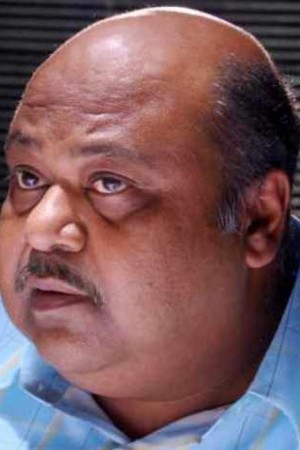
Saurabh Shukla
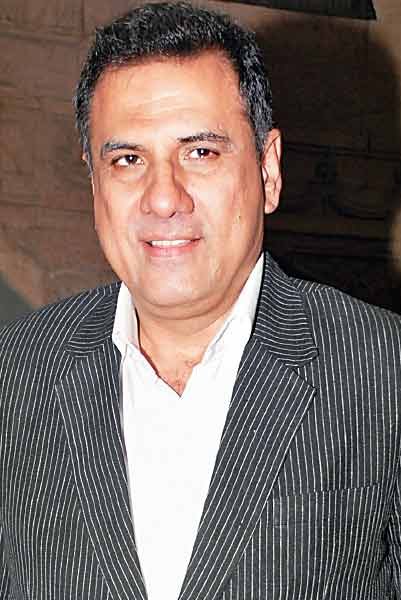
Saurabh Shukla is an Indian actor, best known for Tamil cinema. Saurabh Shukla began their career in 1996 and has been a prominent figure in the industry for over 30 years. With over 90 credits to their name, Saurabh Shukla remains one of the most prolific and celebrated talents in the industry. Spanning 30+ years, Saurabh Shukla's career remains one of the longest and most celebrated in Tamil cinema.
- Born
- Age
- 63
Biography
Saurabh Shukla is a Hindi cinema actor, screenwriter, and director from Gorakhpur, Uttar Pradesh, best known for his character roles in mainstream Bollywood productions. He won the National Film Award for Best Supporting Actor in 2013 for his performance as Judge Sunderlal Tripathi in Jolly LLB, directed by Subhash Kapoor, and reprised a similar role in Jolly LLB 2 (2017). He co-wrote the screenplay for Ram Gopal Varma's Satya (1998) alongside Anurag Kashyap, also playing the memorably menacing gangster Kallu Mama in the same film. With a theater background dating to 1984, he frequently portrays authority figures and morally ambiguous characters, appearing in PK (2014), Barfi! (2012), and Shivaay (2016).
Career Milestones
Film debut in Bandit Queen directed by Shekhar Kapur
Breakthrough as actor and co-writer; played gangster Kallu Mama
Won Star Screen Award for Best Screenplay (with Anurag Kashyap)
Appeared in Academy Award and Golden Globe-winning film as Constable Srinivas
Played Justice Sunderlal Tripathi; won National Film Award for Best Supporting Actor at 61st National Film Awards
View film →Iconic Roles
Satya
Cult underworld figure in Ram Gopal Varma's crime drama; Shukla also co-wrote the screenplay and delivered the iconic 'Goli Maar Bheje Mein' number, winning widespread acclaim.
Jolly LLB
Sardonic, sharp-tongued judge whose courtroom wit became the comedic backbone of the film; Shukla won the National Film Award for Best Supporting Actor for this role and reprised it in Jolly LLB 2 (2017).
Lage Raho Munnabhai
Deadpan astrologer who confidently diagnoses everyone's problems as 'rahu dosh', a memorable comic supporting turn in Rajkumar Hirani's blockbuster.
PK
Scheming godman who is ultimately exposed in Rajkumar Hirani's satirical comedy-drama starring Aamir Khan.
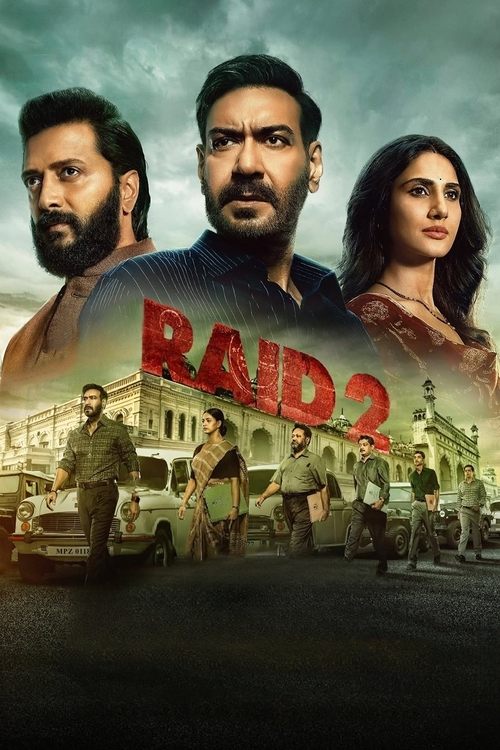
Raid
Powerful corrupt politician hiding crores in black money, displaying layers of menace and manipulation against Ajay Devgn's income-tax officer.
Defining Moments
Kallu Mama's loyalty arc — sheltering Satya, defying the gang's order to kill him, and killing Mule instead to avenge Mhatre's murder. The 'Kallu Mama' song sequence is a standout. Shukla also co-wrote the screenplay with Anurag Kashyap.
The role that first established Shukla as a major talent. Kallu Mama became one of Hindi cinema's most beloved underworld characters, and the screenplay won him the Star Screen Award for Best Screenplay. A rare instance of an actor co-writing his own breakout role.
Justice Sunderlal Tripathi presiding over a hit-and-run case with dry wit, cynicism, and an undercurrent of genuine righteousness — cutting through courtroom theatrics while delivering sharp one-liners.
Won Shukla the National Film Award for Best Supporting Actor. Justice Tripathi became so iconic the character was carried through two sequels, evolving from comic relief to a morally anchored anchor of the franchise.
View film →Kaali Kaka guiding Bala and Bikram from underground coal smugglers toward legitimacy — a low-key but pivotal mentorship role amid the film's high-energy action.
Showcased Shukla's ability to hold authority and warmth in a morally grey supporting part, earning notice even in a star-heavy ensemble led by Ranveer Singh and Arjun Kapoor.
View film →Bhoothnath Bhaduri's comedic ghostly presence and interactions with the living ensemble — a broad comic performance that highlighted his range beyond serious character roles.
Demonstrated Shukla's versatility by anchoring a comedy-horror ensemble, reinforcing that his appeal spans genres from gritty crime dramas to light-hearted supernatural comedies.
View film →Judge Tripathi attending his daughter's wedding and showing vulnerability as a family man, contrasting his stern courtroom persona — a quiet humanising scene that deepened the character's legacy.
Demonstrated how Shukla expanded a supporting role into a fully realised character across sequels, earning continued praise for bringing emotional texture to what could have been a one-note comic judge.
View film →Saurabh Shukla by the Numbers
If you watched every Saurabh Shukla film back-to-back, you'd be at it for roughly 7 days and 2h. Most-paired with Sanjay Mishra — 7 films together.
Filmography
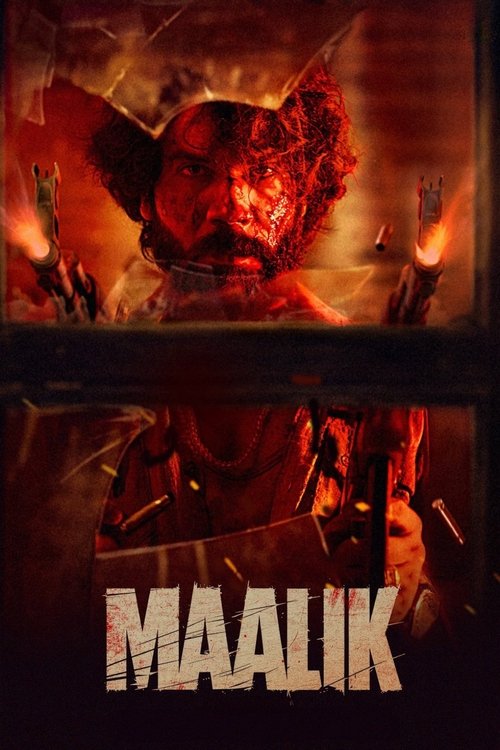
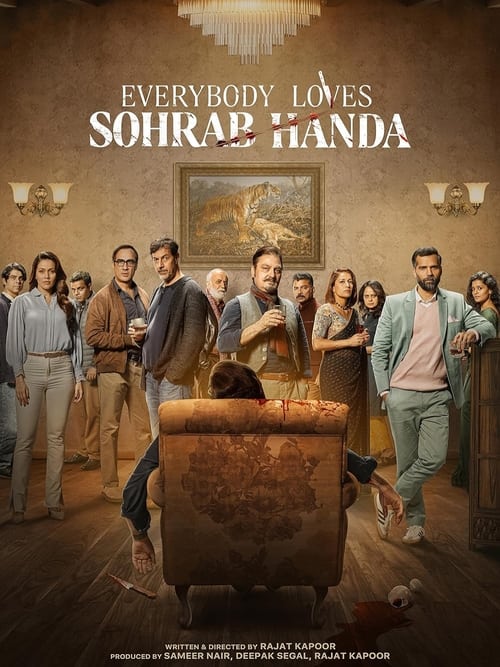
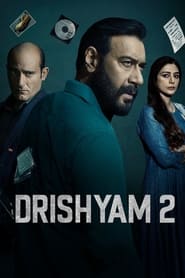
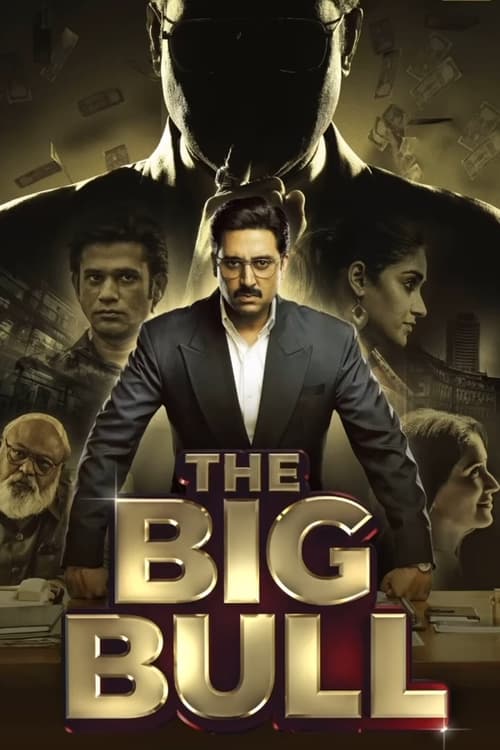
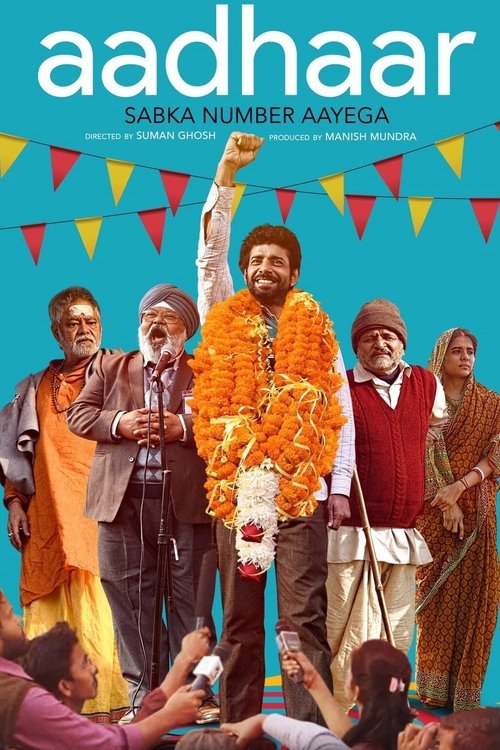
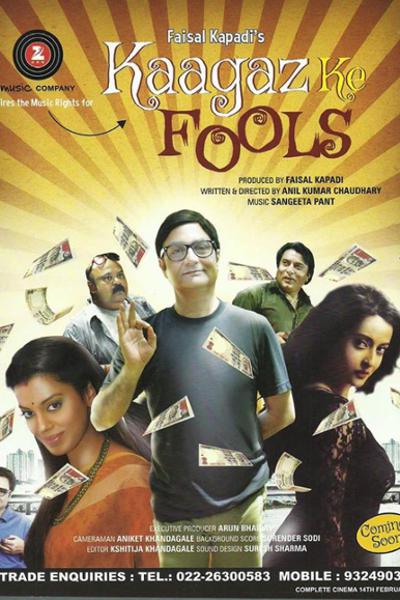
See all 90 credits →




Collaboration Network
The Constellation
Top 10 most-paired collaborators. Bubble size and line thickness reflect how many films they share with Saurabh Shukla.
Career Analytics
Genre Breakdown
Language Distribution
Films by Decade
Top Co-Actors
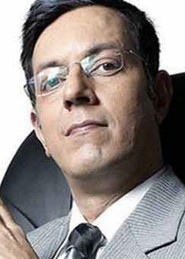
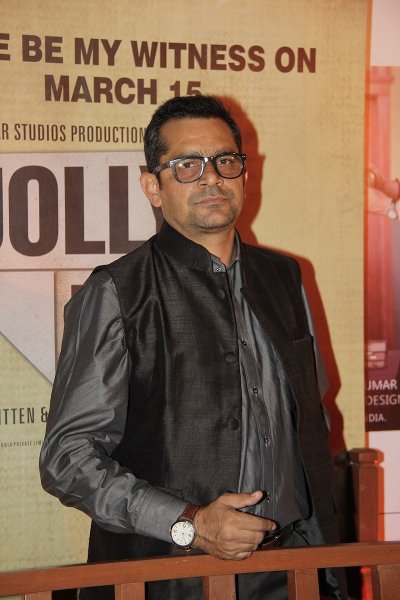
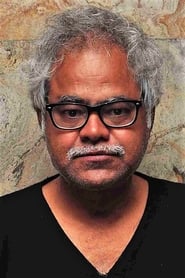
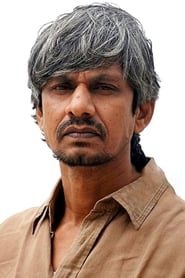
See all →Saurabh Shukla has worked most frequently with Sudhir Mishra (5 films), Rajat Kapoor (2 films), Anant Mahadevan (2 films), Subhash Kapoor (2 films), and Sourabh Shrivastava (2 films).


Did You Know?
Saurabh Shukla is a National School of Drama (NSD) graduate, having completed his training in 1986.
He made his film debut with the 1994 film 'Bandit Queen', playing the role of Kailash.
He won the National Film Award for Best Supporting Actor for his role as Justice Sunderlal Tripathi in 'Jolly LLB' (2013).
He is also an accomplished theatre director and has been associated with the theatre group 'Act One'.
He co-wrote the screenplay for the critically acclaimed film 'Satya' (1998).
Signature Dialogues
Alibaug se aaya hai kya?
Kallu Mama·Satya
Goli maar bheje mein, bheja shor karta hai
Kallu Mama·Satya
Kanoon andha hota hai, lekin main andha nahi hoon
Justice Sunderlal Tripathi·Jolly LLB
Apka rahu dosh hai
Batuk Maharaj·Lage Raho Munnabhai
Legacy & Influence
Saurabh Shukla is a cornerstone of modern Indian character acting, renowned for his profound versatility and naturalistic performances that bridge commercial and parallel cinema. His career trajectory began in theatre, a foundation that imbued his screen work with remarkable depth and authenticity. His breakthrough came with Ram Gopal Varma's seminal crime drama 'Satya' (1998), where his portrayal of the gangster Kallu Mama was both terrifying and darkly humorous, establishing a new benchmark for supporting roles in Hindi cinema. This role exemplified his ability to create memorable characters with limited screen time, a skill that became his trademark. Shukla's true contribution lies in his mastery of both dramatic and comedic registers. He delivered critically acclaimed performances in films like 'Ankhon Dekhi' (2014), bringing poignant realism to his role, while simultaneously achieving massive commercial success and audience love through his comedic timing in the 'Jolly LLB' series, 'Barfi!', and 'PK'. His portrayal of Justice Sunderlal Tripathi in 'Jolly LLB' (2013) earned him the National Film Award for Best Supporting Actor, a testament to his craft. Beyond acting, his work as a screenwriter and director showcases a multifaceted understanding of storytelling. Shukla's influence is evident in how he elevated the importance and visibility of character actors, proving they could be the soul of a narrative. He brought a relatable, everyman quality to his roles, whether a corrupt judge, a philosophical boss, or a concerned father, making complex emotions accessible. His body of work demonstrates a consistent commitment to substance, helping to steer mainstream cinema towards more layered narratives where supporting characters are richly drawn. He remains a respected figure whose career is a masterclass in enduring relevance through adaptability and unwavering dedication to the truth of a character.