Sameer Kevin Roy
Sameer Kevin Roy is an Indian actor, best known for Tamil cinema. Sameer Kevin Roy began their career in 2014. With 30 credits to their name, Sameer Kevin Roy remains one of the most prolific and celebrated talents in the industry. Sameer Kevin Roy is one of the most closely watched talents of their generation, with a rapidly growing body of acclaimed work.
Biography
Sameer Kevin Roy is a Hindi cinema actor known for his supporting roles in Bollywood films and streaming productions. He played the character Jacob in the Netflix thriller Looop Lapeta (2022), a Hindi remake of the German film Run Lola Run, and appeared in the Rajkumar Hirani biographical drama Sanju (2018) as Ruby's boyfriend. He has also featured in Amazon Prime Video's web series Breathe: Into the Shadows (2020) and the television series Haq Se. No major awards or nominations are recorded for his work to date.
Career Milestones
Film debut
View film →Highest rated: Looop Lapeta (6.1)
View film →Sameer Kevin Roy by the Numbers
If you watched every Sameer Kevin Roy film back-to-back, you'd be at it for roughly 4 hours.
Filmography
See all 30 credits →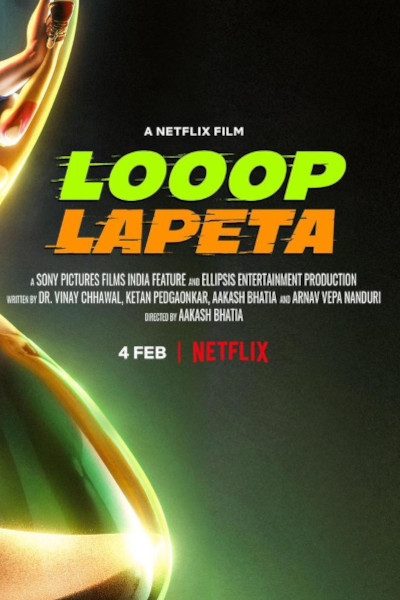

Career Analytics
Genre Breakdown
Language Distribution
Films by Decade
Legacy & Influence
Sameer Kevin Roy is an actor whose documented work in Indian cinema is limited, with his primary known credit being the 2014 film 'Station: The Film'. In this project, he portrayed the character Arihant. The film, which explores themes of love and destiny set against a railway station backdrop, represents his most visible contribution to the industry. Given the scarcity of publicly available information about his broader career, filmography, or professional activities beyond this role, it is not possible to construct a detailed narrative on his trajectory or sustained impact on Indian cinema. His legacy, based on verifiable information, remains anchored to this single performance. Without further confirmed projects, significant industry collaborations, or documented influence on peers or genres, a substantive analysis of his contribution cannot be accurately provided.